Perspectives on reusable PP packaging, circular logistics, and sustainable industrial supply chains.
Most material questions ask the same four things: what polymer, what additives, does it meet a specific standard,…
Read more →
Audits of reusable packaging follow a predictable path: material, cleaning, condition, traceability. Having the answers on file turns…
Read more →
Damage claims turn on where in the journey the damage happened and what the packaging was specified to…
Read more →
Replacing timber packaging with polymer removes a treatment requirement, a marking requirement and a rejection risk. The saving…
Read more →
Where containers carry food or regulated products, the wash is only half the requirement. The record of the…
Read more →
Polypropylene stiffens in the cold and softens in the heat. Both change how a container behaves, and the…
Read more →
A container that has stood in a stack for a year is not the container that went in.…
Read more →
A fleet sized for average demand is short at the peak and idle in the trough. Elasticity comes…
Read more →
Containers stored for months need to come out of storage in the condition they went in. Heat, load…
Read more →
Peak needs more containers than the annual average suggests, and it needs them in good condition in advance.…
Read more →
A container belongs to its owner for years and to a trip for days. Carrying both identities at…
Read more →
When containers belong to the customer rather than to you, the responsibilities change. Mixing the two in one…
Read more →
When a quality problem appears, the question is which containers carried what, when. Whether that can be answered…
Read more →
The three identification methods differ in cost, durability and what they can tell you. Choosing is a matter…
Read more →
An identification mark is only useful while it can be read. Making it last as long as the…
Read more →
Most of a container fleet is usually off site. Managing that part requires a count at the other…
Read more →
A container number can identify the unit, or the batch, or both. What it should carry depends on…
Read more →
A full fleet count is only slow if it is done as one event. Counting by location, on…
Read more →
Loss is usually the largest single reason containers leave a fleet. It concentrates at a small number of…
Read more →
A reusable container fleet is a depreciating asset with a value, a life and a loss rate. Treating…
Read more →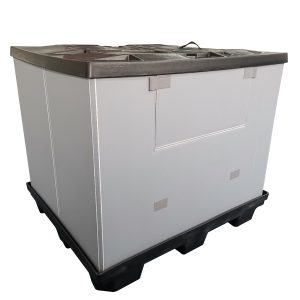
A replacement forecast built from measured retirements is accurate within a year. One built from an assumed service…
Read more →
A worn-out polypropylene container is a recyclable material, not waste. Getting it into a recycling stream takes a…
Read more →
A fleet is replaced over years, not all at once. The replacement rate has to cover retirements plus…
Read more →
A retirement rule based on judgement gets applied inconsistently. One based on measurements anyone can make in seconds…
Read more →
Suppliers quote cycle counts and fleets rarely achieve them. The gap is explained by four variables that have…
Read more →
A repair is worth doing when it costs less than the remaining life it buys. Four numbers settle…
Read more →
A repair that looks sound can be weak. Two checks - one on the repair and one on…
Read more →
Handles, catches, label holders and dividers are the parts that break. Stocking them turns a scrapped container into…
Read more →
Polypropylene can be welded, but not glued with anything ordinary. The repair methods that hold are the ones…
Read more →
Some damage can be repaired for a fraction of a replacement. Some cannot be repaired at all. Sorting…
Read more →
Stacks rarely collapse because the bottom box was too weak. They collapse because the load shifted, the base…
Read more →
A worn-through base is not a material defect. It is evidence that containers are being moved along surfaces…
Read more →
Plastic creeps. A container under sustained load in a warm building slowly takes a new shape, and the…
Read more →
A corner is where a container takes its impacts and where its stiffness comes from. It fails first…
Read more →
Containers rarely fail from old age. They fail in five specific ways, and knowing which one a fleet…
Read more →
Water carries whatever is dissolved in it. Where the rinse water is hard or saline, washing deposits a…
Read more →
The visible cost of washing is water and detergent. The real cost is labour, floor space, and the…
Read more →
A washed container that goes into service wet carries water to the next load. Drying is the step…
Read more →
Polypropylene handles hot water and most detergents well. It has specific limits, and exceeding them produces cracking and…
Read more →
Washing every trip is expensive and washing only when it looks dirty is risky. The right interval is…
Read more →
Most corrosion in transit starts with moisture that was on the parts before they were packed. Removing it…
Read more →
A plastic container does not rust, but it carries rust stains from what it held. Whether that matters…
Read more →
Two different metals in contact, with moisture between them, form a cell. One of them corrodes faster than…
Read more →
Salt does not merely sit on a surface. It holds water, keeps it there, and turns a dry…
Read more →
A plastic box does not absorb water, which is exactly why the moisture stays where it is -…
Read more →
Desiccant removes water and VCI inhibits corrosion. They solve different problems, and using one where the other is…
Read more →
A base that holds water keeps it against the contents. A base that drains needs somewhere for the…
Read more →
A closed box is not sealed. Air moves, contents carry water in, and the box itself holds some.…
Read more →
Moving a cold container into a warm warehouse puts water on the outside of the load and inside…
Read more →
The water that damages a sea shipment usually was not there when it was packed. It condenses out…
Read more →A stock count of containers is really a count of what is inside them. Whether it can be…
Read more →A handle makes a container easy for a person and awkward for a machine. Position decides whether it…
Read more →An empty stack is lighter than a loaded one and much less stable. The height limit is set…
Read more →A container that folds flat stores five times as many empties in the same space. Whether that is…
Read more →Racking is built to a module and containers are built to a product. Where the two do not…
Read more →The half-automated stage is the awkward one: containers have to suit a machine at one end and a…
Read more →Automation arrives in stages and the fleet has to serve both the manual and the automated process at…
Read more →An audit answers four questions about an existing fleet: what size is it really, what condition is it…
Read more →
Manual handling absorbs centimetres of variation. Automated handling absorbs millimetres. The gap between the two is where container…
Read more →Most automation projects assume the existing container will carry over. Four measurements on twenty boxes tell you whether…
Read more →A vehicle is unloaded in the reverse of the order it was loaded. Containers that do not say…
Read more →A container going down a chute is in contact with a fixed surface under load for the whole…
Read more →An outbound check is the last chance to catch an error cheaply. What it can check depends entirely…
Read more →A sorter moves boxes fast, changes their direction without warning and reads them in motion. The base takes…
Read more →A cross-docked box is handled more times in a day than a stored box is in a month.…
Read more →Parallel picking puts several orders in front of one picker at once. It works when containers are distinguishable…
Read more →Pick-to-light tells the operator where to put something. If the container does not carry a matching, durable identifier,…
Read more →Pickers reach into containers. The height of the opening, the depth of the box and whether the front…
Read more →Compartments keep a kit complete and checkable. They also consume capacity and lock the box to one kit.…
Read more →An order with three lines and one with thirty need different containers. Sizing for the average order produces…
Read more →A line can only run as fast as material reaches it. Where containers are the feed mechanism, their…
Read more →A changeover that involves changing container presentation takes longer than one that does not. Standardising the container removes…
Read more →Fulls arrive by a planned route and empties leave by an improvised one. Drawing the empty path on…
Read more →A line needs a stock of containers at both ends: fulls waiting to be used and empties waiting…
Read more →The time a station runs before it needs feeding is box capacity divided by consumption rate. Everything about…
Read more →Missed scans get blamed on the reader, then the label, then the line. A fixed order of checks…
Read more →A read rate measured on new boxes is the best it will ever be. Labels abrade, fade and…
Read more →Most automatic scan failures are not about the label or the reader. They are about the label facing…
Read more →An RFID tag reads through material, which makes placement look easy. It is not: metal, water and other…
Read more →
A barcode reader needs a flat, contrasting, undistorted surface. A wall that curves or bows takes all three…
Read more →
Building a pallet from several box sizes is a planning problem and a tolerance problem at once. The…
Read more →A printed mark is the cheapest locating feature and the shortest-lived. Choosing between printed, moulded and geometric features…
Read more →A palletising robot's rate is set by travel distance and by how often it has to re-grip. The…
Read more →A suction cup needs a flat, sealed surface. A base that is strong enough to carry the load…
Read more →A gripper squeezes two faces of a box hard enough to lift it. Whether that works depends on…
Read more →A rack full of polymer containers is a fuel load. Insurers and fire officers ask specific questions about…
Read more →Storage density in a high-bay system is decided by how much of each slot the container uses. A…
Read more →Pulling a box out of a rack applies a horizontal load at a single point. Stacking ratings say…
Read more →A shuttle carries a box on rails and lifts it with a small mechanism. The failure is almost…
Read more →
A high-bay machine works to a fixed slot. Whether a container fits is decided by the worst box…
Read more →A label placed for a person at a bench is often invisible to a reader on a vehicle…
Read more →The vehicle has a payload rating and the box has a load limit. They are usually quoted in…
Read more →Robots do not look at boxes the way people do. They look for edges, corners and contrast, and…
Read more →A single box inside tolerance is easy. A stack of six is not, because the per-box variation adds…
Read more →An AGV does not care how a box looks. It cares whether the load sits flat on a…
Read more →A queue on a conveyor applies a sustained compressive load through the box walls. It is a different…
Read more →Guides are set with a gap. That gap has to absorb the box tolerance plus the box skew…
Read more →
Most conveyor jams get blamed on the equipment. Roughly half of them originate in the container - usually…
Read more →Roller pitch is a fixed property of the line. Whether a box runs on it is decided by…
Read more →A box behaves differently on a belt than on a pallet. The base carries the load, the walls…
Read more →After a year of running a returnable fleet, four numbers say whether it worked and what to change…
Read more →A specification that cannot be checked at goods-in is not a specification. It is a preference.
Read more →One lane, one part, one month, four numbers. That is enough to decide, and it is cheaper than…
Read more →You do not need a laboratory to learn something useful. A forklift, a route and a camera will…
Read more →A drawing of the deck costs an hour. Discovering the pattern does not work after tooling costs a…
Read more →
Two people measuring the same box in different ways is the most common packaging argument there is.
Read more →A delivery check that takes twenty minutes and prevents a year of stacking problems is worth writing down.
Read more →Two millimetres per box is forty millimetres across a twenty-high stack. The pattern does not have forty millimetres.
Read more →A box that is 3 mm out of square will not sit flat on the one below. Multiply…
Read more →A pattern drawn on nominal dimensions only works if every box is nominal. Real boxes are not, and…
Read more →Most packaging variation is introduced at the bench. The specification is not what is being followed.
Read more →A reusable box surrounded by single-use film, tape and pads is a loop with a leak in it.
Read more →If a load is always strapped, the box should have a place for the strap to go. It…
Read more →An edge protector does two different jobs - spreading strap load and taking impact. They are not the…
Read more →A strap under tension will find the weakest part of the box. Given the choice, it finds the…
Read more →Buying a pallet for one trip wastes money and carries the same treatment rules as a wooden crate.…
Read more →A pooled pallet belongs to somebody else and goes back to them. A returnable box belongs to you…
Read more →A 25 kg pallet on a weight-limited lane is 25 kg of product left behind. Multiply by the…
Read more →140 mm of pallet is 140 mm of product not shipped, on every load, for the life of…
Read more →The pallet sets the load case for the box base. Pick the pallet first and half the base…
Read more →Returnable packaging front-loads cost and saves it later. That shape is the difficulty, not the arithmetic.
Read more →Going from 78% to 83% of a trailer sounds marginal. Across a year of weekly runs it is…
Read more →Most operations know exactly what their packaging costs. Very few know what share of the truck it occupies.
Read more →Every kilogram of box is a kilogram of product that did not ship. On a dense part across…
Read more →Freight uses whichever is greater, mass or volume. Knowing which side of the line your load sits on…
Read more →A pallet does three jobs at once. Remove it and the box, the wrap and the floor each…
Read more →Pallet-free pays on long, heavy, high-cube routes. On short domestic runs it usually costs more than it saves.
Read more →Sheets are cheaper per trip and never come back. Boxes cost more once and then almost nothing. The…
Read more →
Without a pallet, the truck has to do the work the pallet used to do. That needs an…
Read more →Dropping the pallet gains height and weight. It also asks more of the box, the floor and the…
Read more →Board stiffness falls as temperature rises. A stack rated in a temperate warehouse can behave very differently in…
Read more →A stack on a sloping or uneven floor does not carry its load evenly. The wall on one…
Read more →The rating is for the bottom box. Everything above it is just arithmetic, once you know the part…
Read more →Warehouse stacking and road transport load the same box in different ways. A specification that gives one number…
Read more →A box can carry a load for a day and still fail after a month. The difference is…
Read more →Each handling relaxes the load a little. By the fifth one the pattern that was tight at dispatch…
Read more →A load that leaves the yard square rarely arrives square. What moves it is not the road surface,…
Read more →A strap does its work at the corner, not across the middle. Put it in the wrong place…
Read more →Wrap is the cheapest thing on the pallet and the most likely to be over-applied. The cost is…
Read more →Stack height is limited by two things: what the bottom box carries, and how high the load's centre…
Read more →Every box change invalidates the load plan, the rack rating and the order quantity. Most of those get…
Read more →A gap in a pallet pattern is not empty space. It is a place where the boxes beside…
Read more →A load carrying six part numbers is a different problem from a load carrying one. The pattern has…
Read more →A pad between layers spreads load and protects the box below. It also adds a component to a…
Read more →Aligned columns transfer load straight down the wall. Bonded patterns spread it but leave the top layer uneven.…
Read more →A custom footprint that works on one leg usually fails on the next. The penalty shows up as…
Read more →Start with the part, add the dunnage, add the wall, then round to the nearest module. The order…
Read more →A box that sits proud of the pallet takes the impact. A box that sits well inside gives…
Read more →The two common European footprints reward different box proportions. Choosing before the box is drawn costs nothing; choosing…
Read more →Freight is billed on the box that leaves the door, not the part inside it. A 20 mm…
Read more →Most supplier questionnaires ask about certificates. The eight questions that predict whether a box will work are about…
Read more →
Retirement is easy to say and awkward to do. A box fleet needs a documented end-of-life route before…
Read more →
Recycled polypropylene is a real option, with real limits. Knowing which properties move and which do not is…
Read more →
Reuse is usually the lower-carbon option and almost never by the margin claimed. The return leg and the…
Read more →
Reusable packaging tends to score well under packaging regulation. The scoring is not automatic, and the paperwork is…
Read more →Specifying every dimension tightly raises the price and fixes nothing. Three tolerances decide how a box behaves, and…
Read more →By the time fifty boxes have been made, the design is fixed. First article approval is the last…
Read more →Tooling is usually small and MOQ is usually the real constraint. Knowing which of the two is driving…
Read more →
Two quotations for the same box can differ by half, and the difference is almost always in what…
Read more →
Most box specifications describe the outside and leave the inside to chance. The load case, the handling and…
Read more →One number, once a week, per location. That is the entire control system, and it works better than…
Read more →A returnable fleet makes a plant tidy only if the empties have somewhere to go. Where they do…
Read more →
Mezzanines and trolleys are where a light box wins outright, because the whole cost is in moving the…
Read more →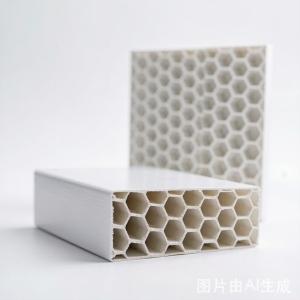
Racking a box directly on beams saves a pallet and puts the whole load onto two lines. Whether…
Read more →
Polypropylene is not a sun material and it is not a rain material. Both are manageable, and both…
Read more →Most fleets are retired on appearance and kept on optimism. A written rule with two checks turns that…
Read more →A box fleet has a running cost. Budgeting it explicitly is what stops the fleet shrinking quietly until…
Read more →Boxes almost never fail from load. They fail from handling, from UV, from contaminated cores and from a…
Read more →
Repairing a box is usually worth doing, provided you can reach the damage and you are honest about…
Read more →Wash or wipe is a cost decision first and a hygiene decision second. The wrong answer is usually…
Read more →Between two products in one box there is a cleaning step, and that step decides the fleet size,…
Read more →
Regulated routes care less about strength and more about traceability, cleaning evidence and change control. Those are documentation…
Read more →Most particles in a returnable box come from the part, the packing area and the dunnage, not from…
Read more →
Anti-static packaging is a system, not a material. A conductive box with an insulating dunnage set protects nothing.
Read more →A box entering a cleanroom has to be cleanable, not just clean on arrival. The route and the…
Read more →Direct returns stop working at about three sites. A depot turns many small returns into a few full…
Read more →Facilities and the box design both decide how tall empties go. Stack too high and you get deformation,…
Read more →Return freight is the line most reuse cases get wrong, in both directions: it is bigger than people…
Read more →Return freight is a volume problem, not a weight problem. The number that matters is boxes per trailer,…
Read more →The return leg is what decides whether reuse works. A box that comes back at full volume pays…
Read more →Boxes come back. Separators, pads and inserts frequently do not. On most returnable programmes, lost dunnage is the…
Read more →A box that only fits one part number is a box that sits idle when the schedule changes.…
Read more →Flat parts want to be stacked in layers, and layers only work if the separators come out and…
Read more →A sub-assembly is part product and part collection of loose parts. Packaging it means deciding what counts as…
Read more →The box is the easy half. The dunnage decides whether the part arrives undamaged, whether the operator loads…
Read more →When parts will not nest, the box has to do the work. The question is whether the fixture…
Read more →Tall parts are usually a stacking problem pretending to be a height problem. The fix is often in…
Read more →Flat, large and fragile is the hardest combination in packaging. It is also the one where a honeycomb…
Read more →Moulds are dense, valuable and often machined on every face. Protecting them is a base problem with a…
Read more →Long parts fail in the middle, not at the ends. A box for extrusions is really a support…
Read more →A lid that only covers is a missed opportunity. A lid that locates turns a pile of boxes…
Read more →Nearly every returnable box failure starts at a corner. Corner design is a small amount of material in…
Read more →Most box damage traces back to the four seconds a year the forks go in wrong. The tunnel…
Read more →A wall has to do four things at once and most wall problems are actually edge problems. Where…
Read more →Walls get the attention. The base decides whether the box survives, because the base is what takes the…
Read more →Racks win on density and inspection. Boxes win on flexibility and on protectable surfaces. Which one you need…
Read more →One-way packaging is not automatically the cheap option. It is the option with no return leg, which is…
Read more →A stillage wins on load and loses on tare, corrosion and repair. The interesting answer is usually a…
Read more →Heat treatment is a per-shipment cost, a scheduling dependency and a failure mode. Wood-free packaging deletes all three…
Read more →A wooden crate looks cheap at the quote stage. The weight, the treatment paperwork and the damage at…
Read more →Large light parts fill a trailer on volume and nothing else. The box has to be big, stiff…
Read more →Clean areas impose cleanability and particle generation requirements, not strength requirements. Smooth surfaces, radiused corners and no fixings…
Read more →Small dense parts overload a box by weight rather than volume. The failure is a punched base, and…
Read more →Standard PP is an insulator and it generates charge. For static sensitive parts the box either has to…
Read more →Automotive loops are high frequency and tightly toleranced. The box has to protect finished surfaces and fit a…
Read more →A second-source box has to match on the dimensions that matter, and those are not the ones on…
Read more →Two quotations for the same box can differ by a third on things the quote does not say:…
Read more →The first delivery is when a specification error is cheap to fix. Six checks, twenty minutes, before anyone…
Read more →A custom box size needs cutting tooling and a minimum run. Both are smaller than people fear, and…
Read more →Most box enquiries ask for a size and a quantity. The answers that matter come from six other…
Read more →Packaging that is expected to come back is a different customs object from packaging sold with the goods.…
Read more →Boxes delivered flat and assembled at site cut the inbound freight substantially. The cost is assembly labour and…
Read more →Container rain forms inside the box, not on it. What protects machined parts on a three-week sea leg…
Read more →Plastic returnable packaging removes the treatment paperwork that comes with wood. It also changes how the load behaves,…
Read more →A container of returnable boxes is a different loading problem from a container of cartons: rigid boxes do…
Read more →Boxes on a trolley up a ramp to a mezzanine is a rougher duty than any warehouse test.…
Read more →If stock is held in boxes rather than in fixed locations, first-expiry-first-out needs a rule. Colour, position and…
Read more →A box on a shelf is a pick face only if the picker can see into it and…
Read more →Floor stacking saves a pallet per stack and fails in a specific way: the bottom box takes the…
Read more →Racking concentrates the whole box load onto two edges. Whether that works depends on the base, not on…
Read more →Machining environments put coolant, oil and sharp swarf into a box at the same time. PP is fine…
Read more →A wet box carries water into the next process, and in a machining environment that means rust on…
Read more →Retirement criteria should be written down and checked at one point. Without them a fleet accumulates boxes that…
Read more →Most box damage is either trivially repairable or not worth repairing. The distinction is where the crack is,…
Read more →Coolant, oil and swarf need a wash cycle, and the wash cycle is where most box fleets quietly…
Read more →A weekly wash destroys paper labels and most adhesives. Permanent identification plus a replaceable variable panel is the…
Read more →A monthly count gives fleet size, shrinkage and damage rate from one fifteen-minute exercise. It is the cheapest…
Read more →You do not need a system to know where your boxes are. A moulded number, a date code…
Read more →Colour is read faster than text and survives dirt better. The failure mode is too many colours with…
Read more →Label failure is a position and surface problem far more often than an adhesive one. Flat area, away…
Read more →Standard footprints tile a pallet beautifully and waste a trailer when the part is long, flat or awkward.…
Read more →Vents let fluid and air out and let dust in. On an industrial parts box the decision is…
Read more →The inside of the box decides whether parts arrive separated, whether stacks stay upright, and whether the lid…
Read more →Hand holes are the first thing to fail on a returnable box. A slot cut in a single…
Read more →GSM is the number on the quote and it is the number most often over-specified. What actually decides…
Read more →On a long return leg the empties cost more than people expect. Here is the calculation, and the…
Read more →Footprints that do not divide into the pallet leave unusable gaps and overhang. Two or three sizes beat…
Read more →Part-filled boxes are where stacks fail. The load path stops going through the walls and starts going through…
Read more →Empty volume decides the return cost. Here is how to work out the number for your own boxes…
Read more →The two numbers that decide whether a box scheme works are how high a loaded stack can go…
Read more →Empties with no named owner are the reason box fleets drain. One person, one route and one count…
Read more →Fleet size is throughput times loop time plus buffer. Get loop time wrong and the fleet runs dry…
Read more →A box carrying work in progress is handled more times in a day than a shipping box sees…
Read more →Kitting moves the search off the line, but only if the kit box keeps parts separated. Dividers are…
Read more →A line-side box is handled by the same operator dozens of times a shift. Grip, opening and footprint…
Read more →A carton is engineered for one journey and priced for one journey. A returnable box has to be…
Read more →Payback on a box fleet is a function of trip count and loop length. Here is the arithmetic,…
Read more →Incoming packaging leaves the plant as waste every week. Baling, skips, collections and the labour between them are…
Read more →Most packaging damage is not a dramatic collapse. It is a corner, a strap mark or a scuff,…
Read more →The carton price on the invoice is one of four numbers. The other three are labour, damage and…
Read more →
A footprint comparison between cartons and crates is decided by trip count and transport distance. Get either wrong…
Read more →
Switching to returnable crates moves a large waste number to nearly zero. Getting the credit for it requires…
Read more →
A worn-out crate is a bulky, valuable piece of plastic. Whether it becomes new crates or landfill is…
Read more →
Recycled content in a food contact crate is possible, and it needs its own declaration. Virgin and recycled…
Read more →
Plastic packaging taxes are increasingly written to exempt or favour reusable packaging. Whether your crate qualifies depends on…
Read more →
Crates go missing in three places, and the reasons are different in each. Knowing which one is happening…
Read more →
Crate retirement does not need a test rig. Four visual checks sort a fleet into keep, downgrade and…
Read more →
Washing crates is a capital decision, a water decision and a transport decision. Which one dominates depends on…
Read more →
A season-end count is the only way to know what the fleet actually lost. Doing it once, properly,…
Read more →
Distance changes everything about a returnable loop. At some point the return freight eats the packaging saving, and…
Read more →
Most cleaning problems are designed into the crate. Four features make the difference, and all of them are…
Read more →
A wash record written after the fact is worse than none. What auditors want is evidence that the…
Read more →
Hotter water cleans faster and ages the crate faster. The cost of the extra heat is usually lower…
Read more →
A crate that looks clean can carry last season's residue in a corner that the wash never reaches.…
Read more →
A food contact declaration names the material, the simulants and the conditions. 'Food grade' on its own is…
Read more →
Produce freight is charged on volume, so the crate's own weight rarely matters. It matters everywhere else -…
Read more →
In a stack of crates the top one takes the sun, the knocks and the handling. It is…
Read more →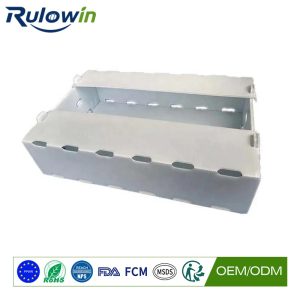
Thickness is what people ask about and weight is what matters. Two crates of the same thickness can…
Read more →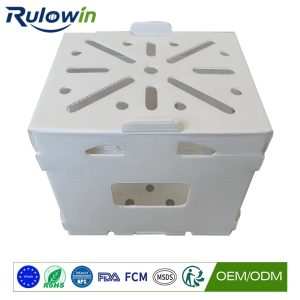
Nestable crates cut empty transport volume substantially. The ratio is a number a supplier should be able to…
Read more →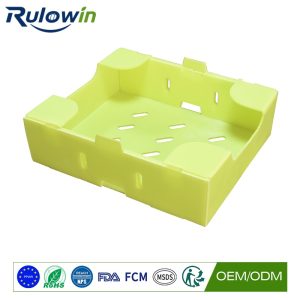
A footprint that wastes a few centimetres on every pallet wastes them on every trip for a decade.…
Read more →
A crate enquiry that says 'crates for vegetables' gets a guess. Six pieces of information turn it into…
Read more →
The first crate order is where most fleets get sized wrong. The mistakes are predictable and nearly all…
Read more →
Every returnable scheme loses crates. The number is always higher than planned, and it is the variable that…
Read more →
A crate ships full once and empty many times. Empty freight is the cost that decides whether a…
Read more →
Two quotes for the same crate differ for five reasons, and only one of them is the price…
Read more →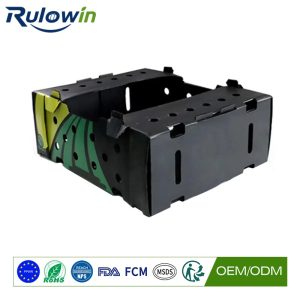
Ice melts. A crate carrying ice has to deal with meltwater, salt and a load that shifts as…
Read more →
Every time soft fruit is moved from one container to another, quality is lost. Field packing into the…
Read more →
Root crops arrive with soil on them. That soil is abrasive, it blocks drains and it should never…
Read more →
A stone fruit bruise is invisible at packing and obvious three days later. The crate decides how much…
Read more →
Leafy greens are misted, cooled and sold on appearance. The crate has to drain, cushion and not crush…
Read more →
The hours a loaded crate sits before the trailer moves are usually longer than the journey. That is…
Read more →
A temperature record without a crate identity tells you something went wrong. With one, it tells you whose…
Read more →
Vacuum cooling pulls water out of the produce through the package. Crate vent area decides whether that works…
Read more →
Cold crates meeting warm air is where water appears from nowhere. It wets the floor, the labels and…
Read more →
Most cold chain failures happen at the receiving end, not in transit. The crate is usually the innocent…
Read more →
Stabilisers are consumed, not permanent. What you are buying is a dose, and the dose depends on where…
Read more →
When grade colour fades, two grades start looking the same. That is a quality problem before it is…
Read more →
The months a crate spends empty in the yard do more damage than the season it spends working.…
Read more →
Unstabilised PP chalks, fades and then cracks. The order is predictable, which means the damage can be caught…
Read more →
Crates that live outdoors need a UV package in the polymer, not a paint. The difference shows in…
Read more →
A crate that is easy to lift dry and impossible to hold wet is a manual handling problem,…
Read more →
Open-sided bays get rained into every season. A crate stack handles it; the problems that follow are about…
Read more →
Where the water goes decides whether washed produce arrives dry or sitting in its own drainage. The base…
Read more →
Wet strength is not a coating or a treatment on a PP crate. It is the material, and…
Read more →
Field packing means the crate sits in mud, gets hosed, and is stacked wet. Nothing about that is…
Read more →
Wet cartons are heavy, contaminated and hard to recycle. The waste line is the one that changes most…
Read more →
Washed fruit goes into the carton wet and stays wet. The carton is holding water at the base…
Read more →
The carton invoice is visible. The re-work labour, the disposal and the emergency re-order are not, and they…
Read more →
Most packhouses can run crates on existing equipment. The three things that do need changing are the ones…
Read more →
A carton loses most of its stacking strength within an hour of meeting water. In a packhouse that…
Read more →
Every long programme needs spare panels and a top-up route. Neither is expensive and both are forgotten until…
Read more →
A factory visit takes half a day and tells you more than any datasheet: cell consistency, edge quality…
Read more →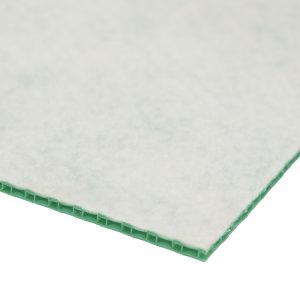
A price, a lead time, a grade recommendation and the documents. Anything less will cost more later than…
Read more →
Fabricated shapes - stair treads, nosing profiles, cradles - cost more per panel and remove the slowest job…
Read more →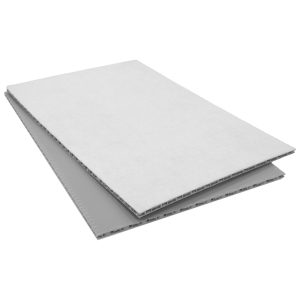
Protection is a small line item that causes large claims. Whether a supplier will put a recommendation in…
Read more →
Reusable board produces a number an ESG report can use: waste avoided per site, per year. It only…
Read more →
Board is recyclable if it is clean and separated. Most of it ends up in a skip because…
Read more →
Recycled PP works well in protection board and costs about the same. The trade-offs are colour consistency and…
Read more →
Compliance documents are routine to produce and slow to obtain late. Ask for them with the quote, not…
Read more →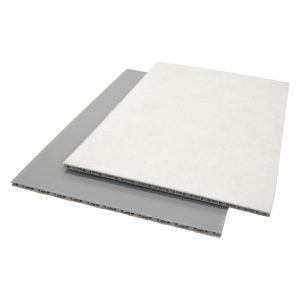
Polypropylene burns, so fire performance is a real specification question. What is needed is a test report for…
Read more →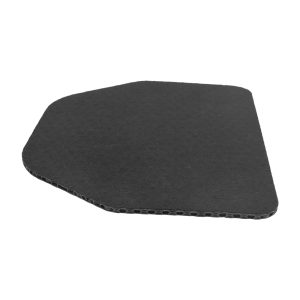
Who pays when a protected floor is damaged depends on what was specified, in writing, before the works…
Read more →
Claims on protection board are usually about grade rather than defects. Photographs at delivery and a retained sample…
Read more →
Volume rebates are real but usually small. The bigger saving on a programme is standardising size and consolidating…
Read more →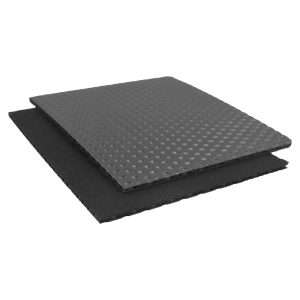
Polypropylene tracks oil. On a long programme that means the price moves, and it is better to agree…
Read more →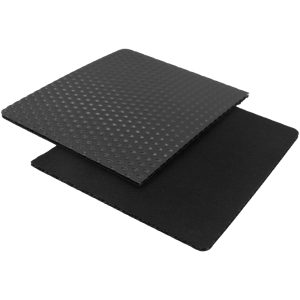
A framework fixes price, lead time and specification across a programme. It is worth it when the same…
Read more →
A fleet of panels spread over five sites disappears without counting. Simple labelling and a count at each…
Read more →
Panels come back in three conditions, not two. Grading them is what makes a reusable programme pay rather…
Read more →
Board stores well flat and badly on edge. Most of the damage to protection happens in the storage…
Read more →
Export orders are priced on container space. Packing method, moisture protection and documentation are what decide whether the…
Read more →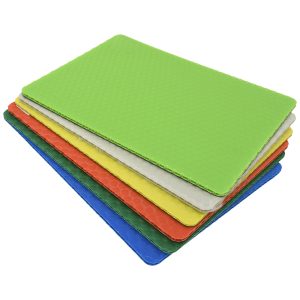
Board is light and bulky, so freight is priced on volume. Knowing how many sheets make a pallet…
Read more →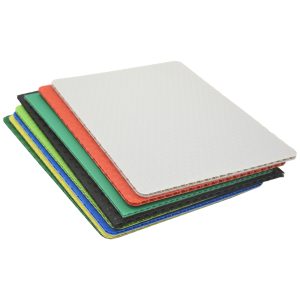
Film is cheaper to buy and dearer to remove. Board costs more up front and pays back on…
Read more →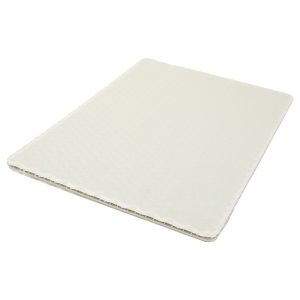
MDF is flat, cheap and it swells the first time anything gets spilled. On a wet job it…
Read more →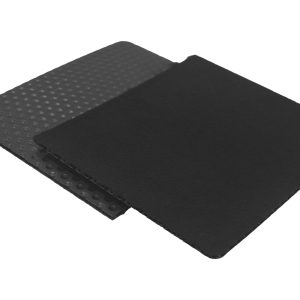
Film is cheap to fit and expensive to remove. Who carries the removal cost, and how long the…
Read more →
Plywood is stiffer and four times heavier. On a route that has to be moved, the weight is…
Read more →
Foam cushions and board spreads. For wheels, point loads and anything that drags, cushioning is the wrong mechanism…
Read more →
Thickness buys load spreading, not impact protection beyond a point. Weight per sheet decides whether one person can…
Read more →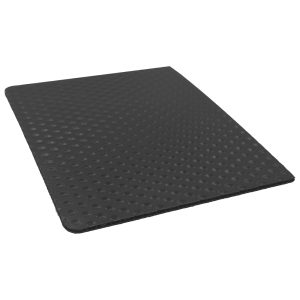
Edge treatment is quoted by the metre and defaults to all four sides. Which edges actually need sealing…
Read more →
Colour is the cheapest control on a protection programme: it marks zones, phases and which face is which,…
Read more →
Printing on board is for wayfinding, safety marking and identity. It works on flat PP sheet and poorly…
Read more →
Cut-to-order removes site cutting and waste but commits the layout early. Which matters more depends on how settled…
Read more →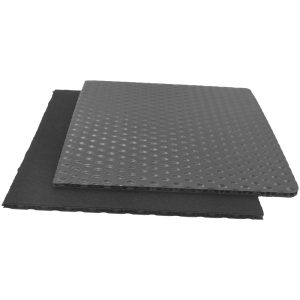
Protection board is bulky, low-value and usually bought late. Terms matter more to cash flow here than the…
Read more →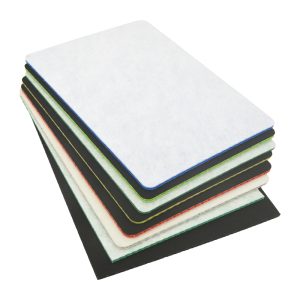
A sample tells you the face and the stiffness. A trial order tells you whether it survives your…
Read more →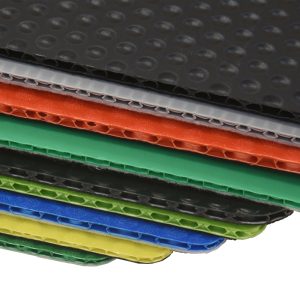
Six pieces of information get an accurate price. Two get an estimate that changes once the details arrive.
Read more →
Stock grades ship in days and bespoke grades take weeks. Which one a job needs is usually clear…
Read more →
Unit price on protection board moves with quantity, size and grade. Knowing where the breaks are changes what…
Read more →
Warehouse floors are built for MHE and joint detailing matters. Protection during works has to survive forklifts and…
Read more →
Raised floors, anti-static surfaces and live halls. Protection has to spread load over pedestals and not alter the…
Read more →
Below freezing, polymer gets stiff and any trapped water turns into a lifting jack. The specification changes completely…
Read more →
Cleanroom work is governed by validation. Anything brought in has to be documented, low-emitting and cleanable before it…
Read more →
Food plants are washed down daily, audited for hygiene, and closed to anything that cannot be cleaned. Protection…
Read more →
Store refits run overnight, the floor is usually polished concrete or tile, and everything moves on pallet trucks…
Read more →
A sprung timber sports floor is a designed system. Covering it has to spread point loads without trapping…
Read more →
Gallery floors are often the exhibit's backdrop and sometimes listed. Protection has to be chemically inert, soft-faced and…
Read more →
Station floors are heritage, the works run in short night possessions, and anything left down has to satisfy…
Read more →
Terminal floors stay in use while the works run, airside rules apply, and the surface is usually stone…
Read more →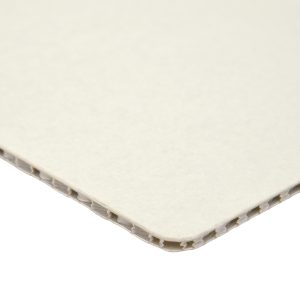
Steel swarf punches rather than abrades. Protection in a metal shop has to resist puncture, take point loads…
Read more →
Fabricators handle the finished product all day. Protection is for benches, stillages and floors that meet sharp, heavy,…
Read more →
Appliance lines move heavy units on conveyors and skids. The floor takes point loads from feet and skids,…
Read more →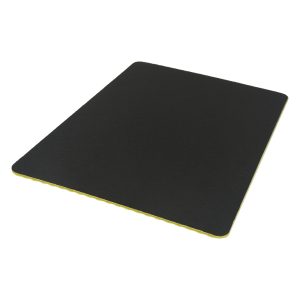
Assembly plants have hard floors, heavy wheeled traffic and no tolerance for downtime. Protection has to take wheels…
Read more →
Electronics floors are anti-static, expensive and continuous. Temporary protection has to spread load without changing the surface resistance…
Read more →
Plant rooms are usually the one place that needs no protection at all. Knowing when to skip it…
Read more →An open edge is a drop and a chip waiting to happen. The protection has to cover the…
Read more →
Basements are damp, poorly ventilated and often the storage area. Moisture under the cover is the problem, not…
Read more →External floors take weather, wind and grit, and a loose cover becomes a missile. Fixing and drainage decide…
Read more →Small rooms, waterproof membranes and plumbing that always leaks on first fill. The cover has to contain water,…
Read more →A written checklist catches what a walk-round misses, and it turns a disagreement into a list of items…
Read more →Clients do not walk a floor looking for scratches in the middle of the room. They look at…
Read more →The floor is not clean when the cover comes off. What needs doing depends on the finish, and…
Read more →
Half an hour of photographs settles almost every floor dispute. Take them before the cover goes down and…
Read more →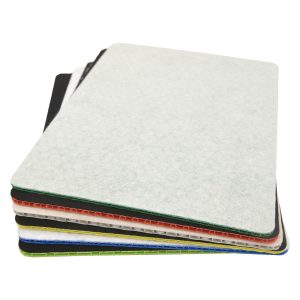
Removal is a sequence, not a day. Sweep, lift, clean, then let the floor settle before anyone judges…
Read more →Rocking panels hammer floors, sealed covers trap moisture and hard faces print patterns. The four ways protection does…
Read more →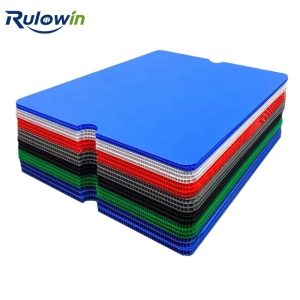
Skirting takes every knock in the last weeks. Whether it needs a touch-up or a full repaint depends…
Read more →
Whether a scratch can be fixed depends entirely on whether it has gone through the finish. Most of…
Read more →
Beyond a few months, the risks change: adhesive bonds, condensation marks, colour differences and a face that has…
Read more →More floors get damaged during removal than during the works. Lifting, not dragging, and a sequence that keeps…
Read more →
The lift is the bottleneck of the building. Everything goes through it, and the car floor belongs to…
Read more →Almost every protection failure happens at an edge, not in the middle. The termination detail is where the…
Read more →A movement joint has to keep moving. Protection that bridges it rigidly stops it moving and damages the…
Read more →
A wheelchair route has to stay usable throughout. The protection has to be firm, fixed and continuous rather…
Read more →Every wheeled load in the building crosses the threshold, and it is where protection cracks and floors chip.
Read more →Machinery is heavy, often on feet, and it gets dragged into position. The floor under it takes a…
Read more →A ladder foot takes a person's weight on a small pad, and a leaning ladder takes more on…
Read more →A sledge spreads the load and slides. A dolly concentrates it and rolls. Which one is right depends…
Read more →
Carrying anything up a flight puts the load on one tread edge at a time. The tread cover…
Read more →A fridge on four feet carries more pressure than a person on two. It gets pushed, not lifted,…
Read more →
Saws, nail guns and offcuts, working right at the floor edge. The damage happens in a 300 mm…
Read more →
Strip-out produces impact, sharp debris and point loads from skips and barrows. Flexible sheet does nothing here; stiffness…
Read more →
Heavy units, sharp feet, plumbing leaks and a small room. Kitchen and bathroom fitting concentrates every floor risk…
Read more →Grout haze is cement, it sets, and walking on it grinds it into whatever is underneath. Wash it…
Read more →
Paint spills clean, but drips travel, dust is abrasive and a ladder foot is a point load. The…
Read more →
A screed is still drying and it needs to breathe while being walked on. Sealing it too early…
Read more →Both are soft, porous and acid-sensitive. The protection has to be soft against them, impermeable above them, and…
Read more →
Resin is tough once cured and soft for the first days. The two things that ruin it are…
Read more →Tile is nearly indestructible and grout is not. Protect the joints and the tile takes care of itself.
Read more →
The wear layer is thin, the joints are the weak line, and water that gets into a joint…
Read more →
Carpet is the one floor that does not need scratch protection and does need spill, crush and adhesive…
Read more →
Six weeks to do what would take three months, in a building with long corridors, heavy furniture and…
Read more →
Guests sleep above and below the work. Protection has to be quiet, quick to move between floors, and…
Read more →
Customers walk the same floor the contractors work on. Trip edges, noise and dust matter as much as…
Read more →
The family is living there, the route changes daily, and the floor has to be walked on every…
Read more →A worn stair is uneven, and protection laid on an uneven surface rocks. The cover has to bridge…
Read more →
Stone treads chip at the nosing and etch from plaster and grout. Neither is repairable invisibly, which is…
Read more →External steps carry water, grit and ice, and a fire escape cannot be blocked or made slippery. Both…
Read more →Every tread is a different shape. Nothing rectangular fits, and the going varies across the width, which is…
Read more →
Concrete takes impact and loses to abrasion. In a communal block the problem is volume of traffic over…
Read more →
Plaster is heavier than paint, it runs downhill, and once it has set on a stair tread it…
Read more →Every footfall pushes a stair cover downhill. Without a fixing or real friction underneath it walks off the…
Read more →Timber treads are thinner than they look, the nosing is the first thing to go, and most of…
Read more →A cover that adds height to every tread is a trip hazard. The thickness has to come off…
Read more →
A stair tread takes the same traffic as a landing on a tenth of the area, on its…
Read more →Buying one stock size and cutting everything on site looks cheaper. The offcuts, the labour and the unsealed…
Read more →
A curled panel edge is a trip hazard, a grit funnel and the reason protection gets kicked out…
Read more →An open honeycomb edge drinks water, collects grit and peels. Sealing the edge is what turns a panel…
Read more →Protection that stops short of a column protects nothing around it. Cutting a notch on site takes two…
Read more →A 1200 x 2400 honeycomb panel weighs a few kilos. Plywood of the same size weighs four times…
Read more →Water under a panel freezes, expands and lifts it. On external runs that turns protection into a slip…
Read more →
A panel loaded with plaster and grit has stopped protecting. Washing it is ten minutes and needs nothing…
Read more →Screed, plaster, grout and paint all put water on the floor. Protection has to survive it and still…
Read more →Both absorb water, both stain the floor underneath, and both turn into a slip hazard. The failure is…
Read more →
The first six metres inside a site entrance carry all the water and grit of the whole site.…
Read more →
Shrink wrap seals a surface and traps moisture against it. A felt-faced panel breathes. On glass and polished…
Read more →Coated metal and painted joinery get marked by abrasion, by adhesive residue and by trapped moisture. Covering them…
Read more →Resilient floors mark from pressure and heat, not just abrasion. Tyre plasticiser, trolley wheels and tight protection all…
Read more →Both keep mud off a polished slab. Only one stops the fine haze that appears at handover, and…
Read more →A rubber sole does not scratch polished concrete. The quartz and masonry dust it carries does. Protection has…
Read more →Stone floors rarely chip in the middle of a slab. They chip at the arris, at joints, and…
Read more →Corrugated sheet is excellent against scratches, spills and dirt. Against a dropped tool it does almost nothing, and…
Read more →Wheels destroy protection from above rather than below. Small contact patches, high local pressure, and turning is far…
Read more →A scaffold leg puts a few hundred kilos through a pad the size of a coaster. Impact protection…
Read more →A hammer from bench height carries about five joules. Whether the floor underneath marks depends on three things,…
Read more →Stair protection has to grip on a narrow tread, survive edge impacts and stay put. It is the…
Read more →Entrances combine rain, mud and slope. They are the highest risk location on any project and the one…
Read more →Wheeled loads slide on smooth protection at exactly the moment someone needs control. Grip between wheel and panel…
Read more →A smooth panel is fine dry and poor wet. Water forms a film that the shoe never displaces,…
Read more →
A level corridor forgives a smooth panel. A ramp does not. Slope changes the grip requirement completely and…
Read more →Stacked protection slides in transit and in store. Turning the raised face down adds friction between panels and…
Read more →Water sitting on smooth protection is a slip hazard and eventually finds the joints. A raised face gives…
Read more →
Freshly decorated walls mark from almost any contact. A soft felt face against the decoration absorbs it, and…
Read more →Soft face down, raised face up. Getting it wrong is the most common installation error on site, and…
Read more →One face is soft so it does not scratch what it touches; the other is raised so nobody…
Read more →Most protection specifications say only what the panel is made of. The useful clauses cover loads, edges, joints,…
Read more →
Framework agreements for consumable materials often deliver less than the rebate headline suggests. Terms and volume definitions decide…
Read more →
Contractors running several sites can hold consignment stock rather than ordering per job. It changes cash, availability and…
Read more →Delivering protection in one drop creates storage problems and losses. Call-off against the programme costs slightly more per…
Read more →Protection board suppliers vary enormously in what they can evidence. Six questions at enquiry stage separate the ones…
Read more →Protection panels are bulky and light, so freight is charged on volume. How panels are sized, nested and…
Read more →Exhibition halls impose hard deadlines and expensive floor finishes. Protection that installs fast and leaves nothing behind matters…
Read more →Site cabins and temporary offices get far more abuse per square metre than most permanent floors, and nobody…
Read more →Scratched glazing is replaced rather than repaired, which makes it one of the most expensive defects on a…
Read more →Outdoor protection fails at the fixings long before it fails as a material. Wind loading, edge restraint and…
Read more →Impermeable protection laid over a floor that still needs to dry traps moisture at the surface. Knowing which…
Read more →More finishes are damaged by what held the protection down than by what it protected against. Adhesive selection,…
Read more →What happens to protection at the end of the job is usually decided late and badly. Planning the…
Read more →Most protection fleets keep panels in service far longer than they should. Four clear criteria remove the guesswork…
Read more →A delaminated edge is the most common failure on reusable protection panels. Most can be repaired in minutes,…
Read more →
Data floor migrations combine heavy static loads with zero tolerance for debris. Protection has to be clean, non-shedding…
Read more →Temporary protection near washdown areas gets hit with hot water and detergent daily. Choosing something that tolerates that…
Read more →Ward refurbishment keeps corridors open throughout. Protection must be impact resistant, cleanable and quiet, and it must not…
Read more →
Permanent hygienic cladding and temporary protection solve different problems. Knowing which one you are specifying avoids paying for…
Read more →GMP areas need protection that can be cleaned to spec, creates no particulates and comes away without leaving…
Read more →Colour coding protection by phase or zone turns a strip-out problem into a five-second visual check, and stops…
Read more →Panels stored badly between phases come back warped, dirty or missing. A designated store and a simple stacking…
Read more →Site cutting of protection generates offcuts, dust and edge damage. Cutting strategy decides waste percentage and whether cut…
Read more →
Damage usually happens where loads are moved, not stored. Wheel type, turning behaviour and route discipline decide whether…
Read more →Protection in an occupied building moves with the works. Planning lift-and-relay cycles from the start costs less than…
Read more →
Sustainability questions on temporary protection are now routine in tender returns. Knowing what can be evidenced, and what…
Read more →
Most arguments about damaged finishes happen during the defects period, not at practical completion. What gets recorded at…
Read more →
Protection installation usually gets no RAMS of its own. Writing one short, specific method statement prevents most of…
Read more →Adding protection changes the walking surface. Where areas stay in use, slip behaviour has to be considered before…
Read more →
Temporary protection on escape routes has to satisfy the same fire strategy as anything else. Getting the classification…
Read more →Hire contracts for site protection live or die on the write-off clause. Understanding deposit, damage waiver and return…
Read more →
Comparing protection only on price per square metre hides everything that matters. Cost per square metre per month…
Read more →Buying protection panels outright or drawing from a hire fleet is mainly a question of utilisation and storage,…
Read more →
Protection is rarely submitted formally, then gets rejected on site. A one-page submittal and a physical mock-up pre-empt…
Read more →Protection usually hides in the preliminaries as a lump sum. Knowing how it is measured changes what you…
Read more →
Healthcare vinyl must stay intact and clean throughout works. Infection control, seams and continued ward operation make protection…
Read more →
Sprung timber floors damage from indentation, not scratching. Once a sports surface is dented it usually needs sanding,…
Read more →Raised access floors distribute load through pedestals, so protection has to bridge rather than cover. Get it wrong…
Read more →Most damage to resin floors during fit-out comes from the tape used to hold protection down, not from…
Read more →
Polished concrete is tough but unforgiving of staining and scratching from grit. The risk period starts after the…
Read more →
Door frames and reveals take constant impact once second fix starts. Protection that stays put needs a fixing…
Read more →
Staircases concentrate damage at the nosing and the stringer. Rigid panels protect both, but the fixing method decides…
Read more →Lift lobbies carry the heaviest traffic on any fit-out. Hoarding there has to protect finishes, look presentable to…
Read more →Corner damage is the single most common defect on handover snagging lists. Protecting external angles for a few…
Read more →Occupied buildings cannot be shut down for refurbishment. Wall protection has to carry its own fixings, meet fire…
Read more →
Protection that looks sound on day one often fails in the second or third week. The causes are…
Read more →
Panel-to-panel joints are where temporary protection becomes a safety problem. Edge treatment, inspection frequency and fire route layout…
Read more →Screeds, plastering and tiling damage finished floors far more than foot traffic does. Sequencing and a written route…
Read more →
Temporary floor protection fails at point loads, not distributed ones. Working out the contact patch and what the…
Read more →Reusable protection only pays back if the panels come back. Typical recovery on a well-run site is seventy…
Read more →
Checking every unit costs more than the defects it catches. A sampling plan sized to what the defect…
Read more →
Most operations carry far more packaging variants than they need, and the cost is invisible because it sits…
Read more →Re-drawing the same part for every order wastes more money than most packaging budgets lose anywhere else. A…
Read more →What works at one site breaks at five, and the failure is almost always in the counting rather…
Read more →
Most pilots measure the wrong thing: whether the packaging works. The decision depends on four other numbers that…
Read more →A sleeve that will not stand square has usually taken a permanent set from storage rather than from…
Read more →Handle failures are almost always a load path problem. The handle material is rarely the weak point; the…
Read more →Lids do not shrink. They deform, and so does the box they belong to. Matching them back up…
Read more →A leaning stack of empties is rarely a stacking problem. It is usually one of four things, and…
Read more →Corner splits have five causes and they are all visible if you know where to look. The repair…
Read more →You do not need a certified drop tester to compare two constructions. You need the same height, the…
Read more →
Wobble at the payout stand has four possible causes and only one of them is the reel. A…
Read more →
Open area is the specification most often quoted and least often checked. A scanner and free software get…
Read more →Destructive testing on a sample is faster and more informative than any non-destructive method available in a workshop.…
Read more →Flatness disputes are usually measurement disputes. A repeatable poor method on the shop floor beats a precise method…
Read more →Most packaging enquiries produce quotes that are not comparable, because the enquiry did not say what the pack…
Read more →
Sustainability teams do not need your impact study. They need a defensible activity figure, and most packaging teams…
Read more →EPR charges are usually assessed on what you place on the market. Reusable systems change that calculation, and…
Read more →A food contact declaration is narrower than almost everyone reads it as. The three things it does not…
Read more →A percentage on a datasheet is a claim, not evidence. The buyers who audit it want three specific…
Read more →
A deposit only changes behaviour when three conditions hold at once. Miss any one and it becomes an…
Read more →In a dark store every centimetre of aisle is contested. Crate dimensions should be derived from the shelving,…
Read more →Cross-docking rewards packaging that moves fast and stacks predictably. Sleeve boxes do well here, for a reason that…
Read more →Reusable packaging works beautifully in networks you control and falls apart the moment the empty has to find…
Read more →Pick-to-light cares about one thing above all: does the next tote sit where the last one did. Consistency…
Read more →Honeycomb cradles carry surprising load for their weight, provided the load goes into the cell structure rather than…
Read more →Furniture damage concentrates on corners and edges. Protection that survives being handled twice is worth more than protection…
Read more →Large flat surfaces fail cosmetically, not structurally. The packaging problem is stopping faces touching each other, not stopping…
Read more →Tier suppliers ship mixed part families to several assembly plants, and the packaging answer almost always fails on…
Read more →Harness cells are unglamorous and brutal on bins: oil mist, cut ends of wire, constant handling and a…
Read more →A blast freezer is the harshest routine environment a reusable crate meets: fast temperature drop, high air velocity…
Read more →Chilled is not frozen, and the difference matters more to a layer pad than to anything else in…
Read more →Dairy cleaning regimes are excellent at removing soil and quietly aggressive toward anything that is not the tank…
Read more →Flour dust is abrasive, hygroscopic and slightly oily. It changes how crates stack, how they wash and how…
Read more →Seafood is harder on crates than any other food stream, mostly because of what happens after the fish…
Read more →
A permanent mark on a reel outlasts every alternative and costs more per unit. The interesting question is…
Read more →Colour is the fastest sort cue on a dock. Getting four sites distinguishable without repainting anything is mostly…
Read more →Read-rate collapse after washing is rarely a label problem. It is usually a combination of placement, substrate movement…
Read more →Nobody can quote a print life without knowing three things about the loop, and the two that matter…
Read more →Polypropylene will not accept ordinary ink without help, and each of the three workable methods trades durability against…
Read more →Threading into corrugated board works badly and slowly. Where a bolted joint is genuinely needed, three insert types…
Read more →Textile fasteners wear out far faster than the board they are fitted to. Planning for that saves replacing…
Read more →Most field repairs to a cracked box fail within weeks because they treat a moving joint as if…
Read more →Eyelets turn a torn hole into a reinforced feature. They are only worth it in three specific situations,…
Read more →Three ways to hold a corner together, three very different repair stories. Choose on what happens when the…
Read more →Heat makes PP cooperative, then quietly takes strength away. The working window is narrower than most people expect,…
Read more →
Both make a hole. Punching is faster and cleaner in volume; drilling survives low quantities and thick stacks.…
Read more →Springback is not a defect. It is the material remembering the shape it was made in, and fighting…
Read more →Both give you a fold line. Only one of them survives being folded twice, and picking the wrong…
Read more →A two millimetre spread on a cut blank sounds trivial until parts stop dropping into their pockets. Where…
Read more →
Most reusable filter screens do not wear out evenly. They fail at the frame edge or at the…
Read more →
Antistatic performance decays, and washing accelerates it. Knowing how fast, and how to check it for twenty pounds,…
Read more →Releasing washed crates back to the field is a control-point decision, not a laboratory result. Six checks, done…
Read more →Polypropylene shrugs off most water-based cleaning. Aromatic and chlorinated solvents are a different story, especially where the panel…
Read more →Automation does not care about load rating. It cares about whether the next box is the same size…
Read more →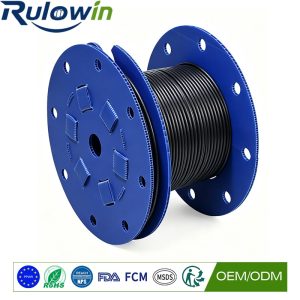
A marginal reel left in the loop costs more than it saves. Six defects should pull a reel…
Read more →Inspecting every returned sheet costs more than the sheet. The trick is deciding which defects actually end its…
Read more →Most reusable packaging procedures fail because they are written for an auditor rather than for the person standing…
Read more →Loss is rarely one big theft. It is usually four or five small leaks at handover points nobody…
Read more →
The usual formula - daily issue times transit days plus ten per cent - runs short almost every…
Read more →
Worth it above a certain length, and not worth it below. The break-even is more about tangling than…
Read more →The workhorse of internal logistics, and most failures come from overloading rather than from the box. Getting the…
Read more →The box is the easy half. The gap in protection is usually the trolley, the footwear and the…
Read more →It works for a season and not for years. Print it or stencil it, fix it through the…
Read more →The one thing panel is genuinely weak at. Spread the load or accept local deformation - there is…
Read more →Open grip, closed grip and cut-out. The choice is about gloves, about what the box is carried with,…
Read more →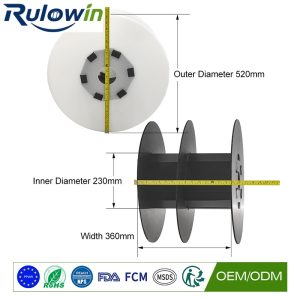
The bore is the dimension that decides whether a reel works at all. Measure your stand first, and…
Read more →Airflow, drainage and how small an item can fall through. What they barely change is strength, which surprises…
Read more →Cut-to-size costs more per square metre and less per usable sheet. Whether it wins depends on how much…
Read more →Density varies more than thickness does, and it is the number that drives compressive strength. Worth specifying, and…
Read more →The vents help and the depth usually does not. Trays need supporting, and a stack of crates with…
Read more →
Good for heavy cable, awkward for thin flexible stuff. The limiting factor is usually how the reel is…
Read more →They work for boxed records and badly for loose paper. The two things to get right are moisture…
Read more →Good for bulky kits and service vans, less good for small hand tools. The check is whether the…
Read more →Light, stiff and reusable, which is why stand builders use them. The two limits are fire rating and…
Read more →Airflow is the constraint, not volume. Leave the floor channels clear and do not block the return air…
Read more →
Chock them, do not rely on straps over the top. A round object on a flat deck wants…
Read more →Across the lid, tensioned properly, with edge protection where the strap turns the corner. Most failures are tension,…
Read more →Load by drop order, stack to the height the box allows, and strap across rather than along. The…
Read more →Cut-offs make good blocking and edge protection, and the best use is spreading a point load. What they…
Read more →Nest them, and nest them in the orientation they were designed for. A stack of nested crates that…
Read more →It is acceptable for a season with the right grade and a cover. What fails is not the…
Read more →Collapse the sleeve, keep the lid on top, and stack the base separately. Keeping all three together is…
Read more →Nest them for storage and transport, stack them only when they are full. The ratio between the two…
Read more →Flat, supported, and not too high. On edge is fine short-term and deforms them long-term, which is the…
Read more →You can, but the crates must be spaced and inverted, and you need somewhere for the water to…
Read more →
Water in the hub bore is the problem, not water on the flange. Stand them, do not lay…
Read more →For unpackaged produce, yes. For packaged food, usually no. The question is whether the food touches the box,…
Read more →The box is easy; the handle and the label recess are where residue sits. What to check and…
Read more →The faces are easy and the exposed cells at the edge are not. Sealed edges clean like a…
Read more →Cold and condensation beat most adhesives. What works is a low-energy-surface adhesive applied warm and dry, on a…
Read more →
Paint marker works, a stamped tag lasts longer, and the flange rim is the wrong place to put…
Read more →One label, in the same place, on every box. The hard part is not the label - it…
Read more →Standard marker pens rub straight off PP. What works without any equipment is a paint marker, and what…
Read more →The cell structure shows through on a panel and the surface is not as flat as it looks.…
Read more →
Almost never, once you count the labour. What is worth doing is deciding which cracked crates can stay…
Read more →
On a one-piece reel, no. On a two-piece design, sometimes. Either way a damaged hub is the failure…
Read more →Yes, and you should - most fleets replace bases and lids far more often than sleeves. The catch…
Read more →Tape both sides and it holds well enough for most uses. But PP is hard to glue, and…
Read more →Localised edge crush can be trimmed out and sealed. A creased face cannot be repaired at all, and…
Read more →Over years, yes, but the cracking you see is usually impact at temperature rather than the material ageing.…
Read more →
Yes, if the grade is not UV stabilised and the reel is under load while it is hot.…
Read more →The hinge is the only part that moves, and it is the only part that gets rubbed while…
Read more →Cold makes it stiffer and more brittle, and the failure is almost always impact rather than load. The…
Read more →They can, and when they do it is usually heat plus a point load rather than heat alone.…
Read more →They are excellent general-purpose crates with two caveats: the vent holes let small parts out, and food-contact history…
Read more →
Flange-to-flange, yes, and it stores well. On their rims standing upright, no. The difference is where the load…
Read more →Usually one strap over the top is enough. Two cases where it is not, and one where a…
Read more →It does two useful things and one useless one. The thickness matters less than people assume; the edge…
Read more →They work, and they beat corrugated sheet for one specific reason: the load spreads across the whole face…
Read more →What a supplier can actually tell you about a batch, why it matters when something fails, and the…
Read more →For commodity sizes, no. For anything custom, a one-page document saves more argument than any specification sheet -…
Read more →Buffer stock, a qualified alternative, and knowing your real lead time. Three mitigations, in order of how much…
Read more →Six documents, requested early. Which ones exist as standard and which have to be produced - and that…
Read more →
Escalate with specifics, not volume. What to send, what to ask for, and when to stop repairing the…
Read more →Ten minutes on the first pallet catches almost everything. What to look at, what to photograph, and the…
Read more →
Qualifying a second supplier costs money and takes months. Worth it when the volume justifies it, and the…
Read more →Weight, resin grade, tool and quantity basis - in that order. A crate that looks identical can differ…
Read more →The cheap bid is usually cheap in a specific, identifiable way. Four places to look, and one of…
Read more →Price is one of six weighted rows. Without weights, the cheapest bid wins by default and you find…
Read more →The argument is not the price of the box. It is the cost of the failures it prevents,…
Read more →One page, five sections, conservative numbers. The requests that get approved are the ones that state what happens…
Read more →
Freight on air, storage of empties, the cost of a stockout, and the hour a week nobody budgeted.…
Read more →The cost arrives in a lump and the saving arrives monthly. Budget for the overlap, buy in tranches,…
Read more →Purchase price is usually the smallest of five categories. The other four are where reusable and single-use packaging…
Read more →A season is enough in most produce flows. What decides it is how many cycles you get in…
Read more →
Not the ROI percentage. Where the saving appears, when, and what happens if the loop leaks - asked…
Read more →Finance will ask three questions. Have the answers, use conservative numbers, and do not put savings in the…
Read more →Purchase price divided by trips achieved, plus the cost of each cycle. Four inputs, and two of them…
Read more →Usually yes, when the loop is closed and the trip count is real. The three cases where it…
Read more →Resin moves, and a fixed price over a long contract is either a risk the supplier priced in…
Read more →
Paying for a mould does not mean owning it. Two clauses decide, and both are worth writing in…
Read more →The minimum is usually a fixed cost in disguise. Offer to pay the setup, commit to annual volume,…
Read more →Usually defects in manufacture, not wear. The distinction matters, and so does what the supplier will do about…
Read more →A deposit on the first order, standard terms once established, and everything is negotiable except the reason for…
Read more →
Pilot on one lane, then scale to two or three before converting everything. Skipping the middle step is…
Read more →Four reasons, two of them legitimate and two of them not. Knowing which is which is the difference…
Read more →Named approver, written criteria, deadline. Three things, and the absence of any one of them is why samples…
Read more →Enough to run a real lane, not a token quantity. Plus the parts that wear, because a trial…
Read more →
Ask early and be specific about what you are testing. Then abuse it - a sample that survives…
Read more →Three levers, in order of effectiveness: approve things faster, pay for a dedicated container, and accept a partial…
Read more →Stock ships in days and constrains the specification. Made-to-order takes weeks and lets you choose. The decision is…
Read more →Roughly four phases, and the one that slips is sample approval. Budget more time for your own decisions…
Read more →
FOB means you control the freight, CIF means the supplier does. On bulky packaging the difference is large…
Read more →
Four components, and the one that surprises people is that freight is often the largest. Production is frequently…
Read more →Spot buying looks cheaper until capacity is tight. The real cost of spot buying is not price, it…
Read more →
Supplier holds stock at or near your site and you pay on consumption. It works when volume is…
Read more →Wholesale buys a price, contract buys a commitment. Which is worth more depends on whether your volume is…
Read more →Freight per unit drops sharply at container quantity and storage is cheap because packaging does not degrade. The…
Read more →The steps are where fixed costs stop dominating, not where the supplier feels generous. Find them and you…
Read more →Single-source buys you consistency and buying power; multi-source buys you resilience. Most operations should do a version of…
Read more →
Four signals, none of them on the website. It matters less than people think, except when you have…
Read more →Five checks that take a week and predict most of what will happen over the next three years.…
Read more →
OEM is make-to-print, ODM is their design with your name on it. The difference shows up in tooling…
Read more →
Direct wins on specification, price at volume and technical answers. Distribution wins on speed, small quantities and mixed…
Read more →Freight, tooling, disposal, storage and the cost of a failed delivery. Five that routinely exceed the difference between…
Read more →Eleven lines. An RFQ that carries all of them gets comparable bids back on the first round instead…
Read more →Six lines, and the two that catch people out are validity period and what happens at the quantity…
Read more →Usually one of four reasons, and only one of them is about price. Check the specification before you…
Read more →Six items. Send five and you get a number; send six and you get a price you can…
Read more →
Open area is geometry; pressure drop is what the system feels. They are related and not interchangeable, and…
Read more →Two numbers that sound precise and are widely misused. Vent ratio without hole geometry tells you less than…
Read more →Three words on every reel drawing, and each one governs a different failure. Hub sets the cable's bend…
Read more →It moves work between stages inside a plant, and it gets handled far more roughly than anything that…
Read more →Grammage, compressive strength, flexural modulus, closed-cell, virgin versus recycled. Half of them are easy to misread and three…
Read more →Yes, but not with ordinary ink straight off the sheet. Polypropylene has a low surface energy, and printing…
Read more →Embossed sheet costs a little more and stops loads sliding. If your pallets are wrapped, you may not…
Read more →
One piece is stronger and cannot come apart; two piece can be knocked down for return. The choice…
Read more →Vented crates cool faster and lose moisture faster. In a cold store the second matters more than the…
Read more →Thick is only worth it where the pad spans or carries a point load. On a continuous deck…
Read more →It works well and the two things that go wrong are joints that lift and a sheet too…
Read more →Multi-site is the ideal case for a sleeve system: the empties ride back on the same lane that…
Read more →A duct pull is a long, steady, tensioned payout. The reel has to run free for an hour…
Read more →Pre-cooling is a race against time and the crate is the heat exchanger. Vent area on the sides…
Read more →Line-side dunnage is handled hundreds of times a day by the same operator. Fit for the motion, not…
Read more →Sheets per pallet times pallets per month, plus a damage allowance that is higher than anyone budgets. Order…
Read more →Four terms: what you pay now per trip, what the sleeve costs per trip, the return cost, and…
Read more →Total cable length divided by length per reel, plus a margin for offcuts and partial reels. The margin…
Read more →Peak day volume, not average. Multiply by the cycle time in days, then add a loss allowance -…
Read more →Three inputs and one honest caveat: span, load distribution and dwell time. Without the third, any capacity figure…
Read more →Box positions on the trolley have to match the pick sequence, and the empty-box supply has to be…
Read more →Twenty sets on one lane for six months. Measure three things and you will have a real answer…
Read more →A reel return scheme is a logistics project wearing a packaging badge. Whether it works comes down to…
Read more →Pooling works when the same crates move between known parties on known lanes. It fails when nobody owns…
Read more →Four things have to exist: a lane, a place to put empties, someone to check them, and a…
Read more →The gap is between what the material contains and what you can evidence. Ask for the second, because…
Read more →Dissipate charge rather than insulate. Three material categories, and picking the wrong one is worse than using nothing…
Read more →Ask three things and get them in writing: what the resin is, whether it is intended for food…
Read more →The direction of travel is towards reuse and recycled content. What that means concretely for a buyer is…
Read more →No. ISPM 15 applies to wood packaging, and plastic is outside its scope. That is a genuine advantage,…
Read more →Boxes bought too large, too few of them, and sized for the average order rather than the largest.…
Read more →Buying sets instead of parts, no return lane, and loading a sleeve that is too tall. All three…
Read more →
Dragging a reel instead of letting it turn, over-winding past the rating, and reusing a reel rated for…
Read more →Fill weight gets specified and stack height gets guessed. The two that actually decide whether crates work are…
Read more →
Four of them, and all four are specification errors rather than bad luck. The most expensive is buying…
Read more →Yes, and it is how most boxes made from it are properly joined. Hot-air and ultrasonic both work;…
Read more →Yes, if the base is designed for it. A sleeve box on racking puts the base in bending…
Read more →The bore is the only thing that has to match, and plastic reels are usually made with a…
Read more →Usually yes, and the things that cause trouble are roller pitch relative to the crate base, and a…
Read more →Yes, but not with the strap bearing on the panel edge. Edge protectors are not optional here, and…
Read more →Liners exist to stop abrasion and to hold moisture. A washable liner pays back quickly in a closed…
Read more →Cardboard fails on heavy parts at the bottom seam, in humidity, and whenever it gets wet. A sleeve…
Read more →If the parts travel between your own sites, disposable dunnage is a purchase you make forever. Reusable honeycomb…
Read more →Wrap is cheap and uses a lot of it. A top cap plus a layer sheet plus proper…
Read more →A sleeve box is the direct substitute and it collapses. Two other options are worth considering, and one…
Read more →Container floor area is known, but the sheet has to be cut to fit around the floor profile…
Read more →This is the number the whole business case rests on. A collapsed sleeve is a few centimetres thick,…
Read more →
Reels are shipped on their side, and the count is set by flange diameter and how the layers…
Read more →Crate footprint and pallet footprint have to divide cleanly. When they don't, you lose a crate per layer…
Read more →Panels are mostly air by volume, so a container fills long before it gets heavy. The number depends…
Read more →
Face size, airflow, open area, what the dust is, and the temperature. Give those five and a supplier…
Read more →Four checks that take five minutes: caliper the thickness, look at the flutes, weigh a sheet, and try…
Read more →Five measurements, and the one people get wrong is the internal height - because they measure the product…
Read more →
Seven questions. A supplier who answers all of them is specifying reels; one who answers three is shipping…
Read more →Six things, and three of them are numbers the supplier should give you rather than the other way…
Read more →Not with the wrong adhesive. Polypropylene is a low-surface-energy plastic and ordinary labels lift at the corners within…
Read more →Yes, with UV-stabilised resin. Without it, unpigmented polypropylene chalks and embrittles within a season or two, and the…
Read more →If the box is stacked, yes, without question. If it is shipped singly, the lid is optional -…
Read more →Yes, on temperature. Polypropylene softens well below what most tunnels are set to - the cycle has to…
Read more →It pays when the lid has to span, when weight matters, or when the loop is closed. It…
Read more →
High open area and a structure that rinses. Unless the dust is oily, in which case no washable…
Read more →Polypropylene sheet, in corrugated or honeycomb form. Which one depends on whether the load is spread or concentrated,…
Read more →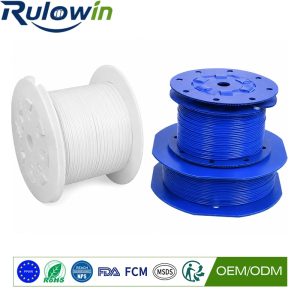
Drop cable is stiff enough to resist a corner and soft enough to slip into a flange gap.…
Read more →Vent area gets the field heat out; floor ribbing keeps the fruit off the openings. The right crate…
Read more →Export is a humidity problem before it is a load problem. Cardboard loses compressive strength in a container;…
Read more →It carries a single order from the pick face to packing. That is a different job from storage,…
Read more →A base, a folding sleeve and a lid that turn a pallet into a box and fold flat…
Read more →
A hub, two flanges and a bore. The plastic version exists because of weight, bore consistency and export…
Read more →A twin-wall sheet with channels running one way. Stiff along the flutes, much less stiff across them, and…
Read more →Two faces bonded to a cellular core. It is stiff because it is thick, not because it is…
Read more →
Years, if the dust is dry and nothing bends it. Two things end a washable screen early, and…
Read more →Sleeves and bases wear at different rates. Plan for the base to go first, and you will stop…
Read more →Structurally, yes, plenty of times. In practice reels stop being reused because the return leg does not exist,…
Read more →Closed loops see crates outlast the pallets. Open pools where nobody owns the crate are a different calculation,…
Read more →Polypropylene does not wear out in any useful sense. Panels leave service because of crushing, delamination and edge…
Read more →Work it out from orders per shift, not from the number of pickers. The boxes in use at…
Read more →Per sheet, yes. Per job, often not - because the cheap sheet is usually thinner, lighter in GSM…
Read more →Three channels: direct from a moulder, through a cable-hardware distributor, or from a trading company. They suit different…
Read more →The minimum is set by tooling, not by policy. A new mould is expensive and only makes sense…
Read more →
The price per square metre moves with thickness, resin and order size. The more useful number is cost…
Read more →Grammes per square metre is a weight, not a strength. Two sheets at the same GSM can behave…
Read more →Sleeve height is set by the tallest item plus clearance, not by volume. Over-tall sleeves waste cube, and…
Read more →The flange has to be big enough that the innermost wrap is not bent below the cable's minimum…
Read more →Volume is the easy half. The half that decides the crate is stack height in the truck, vent…
Read more →Three numbers decide it: the unsupported span, the load, and whether it is spread or concentrated. Everything else…
Read more →
A washable screen costs more and lasts for years. A disposable pad costs less and needs a purchase…
Read more →A crate is cheaper to buy once and costs more every time it moves. The break-even is usually…
Read more →Wood is stronger per reel and heavier per metre of cable. Plastic is lighter, consistent reel to reel,…
Read more →Cardboard is cheaper per sheet and loses on humidity, on double-stacking and on anything that comes back. Export…
Read more →Honeycomb wins on spanning a gap and on crush resistance. Corrugated wins on cost, bendability and anything that…
Read more →Handles fail at the radius where the grip meets the wall, and they fail from repeated one-handed lifts…
Read more →A leaning sleeve box is almost never the sleeve. Check the pallet, then the base, then whether the…
Read more →The hub is where the flange is thinnest and where the cable's radial pressure is highest. Almost every…
Read more →It is rarely the cold on its own. It is cold plus an impact that the crate would…
Read more →
Nine times in ten it is a panel spanning a gap it was never meant to span. The…
Read more →A knife is fine for one sheet and bad for fifty. The flute direction decides which cuts are…
Read more →The order is base, sleeve, and only then the lid. Getting that wrong is why the sleeve fights…
Read more →Almost every tangle on a payout starts with the reel being pulled instead of turned. Four setup details…
Read more →Most bottom-layer damage is not the stack height. It is vent holes lining up with a fruit, and…
Read more →Water and mild detergent handle almost everything. The two things that actually ruin a honeycomb panel are a…
Read more →
Grease needs hot water and detergent, and it needs doing often enough that the load never builds. Method…
Read more →Kitchen grease loads a screen from the inside out and needs detergent, not water. The geometry that handles…
Read more →
A pre-filter in dust collection has to survive high loading and be reachable for washing. Both are design…
Read more →
Cartridge media is expensive and has limited tolerance for coarse loading. A washable stage ahead of it is…
Read more →
Ammonia attacks metals and humidity destroys paper media. Understanding both explains why livestock houses need a different filter…
Read more →
Livestock air carries ammonia, moisture and dust together. That combination destroys metal mesh and paper media quickly and…
Read more →
Exact colour matches on polypropylene are possible but cost more on short runs. Where a near match is…
Read more →
Colour makes a filter specification readable at a glance on a plant with several grades. It works well…
Read more →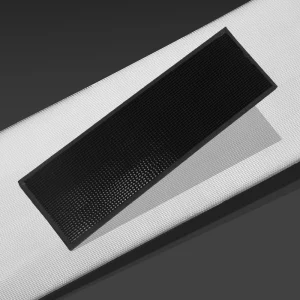
Custom sizes carry a setup cost that minimum quantities exist to cover. Understanding why changes how you plan…
Read more →
Price is the least useful comparison on a repeat filter order. Consistency between batches, stated tolerances and honest…
Read more →
The first samples are easy and the tenth thousand is where problems appear. What to settle at prototype…
Read more →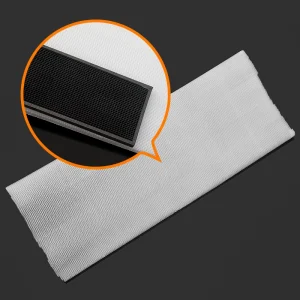
An OEM filter element has to be specified as a part, not bought as a filter. Dimensions, tolerances,…
Read more →
Service life is set by environment, handling and whether the contaminant washes out - not by the material.…
Read more →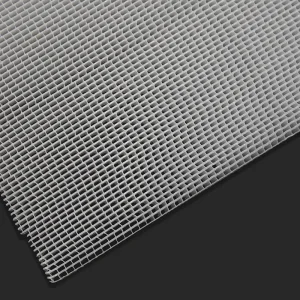
Salt air and chemical vapour destroy metal screens and paper media. Polypropylene is unaffected by both, which changes…
Read more →Standard frames were built for compressible disposable media. A rigid screen needs the dimensions and a sealing arrangement…
Read more →Coarse material is most of the mass in typical building air and the easiest to catch. Handling it…
Read more →
High open area keeps resistance down by capturing less. In low-velocity systems, standalone duty and fine dust, that…
Read more →
Where a system moves a lot of air, filtration resistance is paid continuously. Face area and open structure…
Read more →
Hard water scales pads and screens alike. Telling scaling apart from dust loading matters, because the remedies are…
Read more →
Cooling pads are expensive and clog from the outside in. A washable screen ahead of them takes the…
Read more →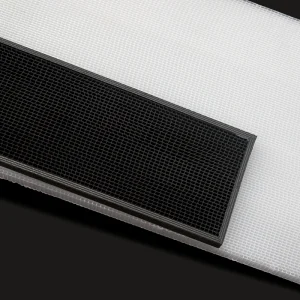
Metal mesh is strong and survives heat; it rusts in coastal air and costs more. Polypropylene trades temperature…
Read more →
Paper media loses strength when wet and supports mould. Polypropylene does neither, which is decisive wherever a filter…
Read more →
Cutting filter board on site is straightforward with three tools and a template. The failures come from the…
Read more →Filter board suits anyone cutting many sizes or changing them often. Finished panels suit repeat sizes and sites…
Read more →Through-holes for flow, cell walls for capture. Understanding which part does which job explains why these screens stay…
Read more →
Roll media is cheap and needs a frame; a rigid panel costs more and does not. Which is…
Read more →
Too tight and the panel will not seat; too loose and it bypasses. The tolerance band is narrower…
Read more →A small gap around a filter panel passes a disproportionate share of the air. Sealing the edge often…
Read more →
Most panels that do not fit were measured from the old filter. Measure the aperture, the depth behind…
Read more →Cell size sets the balance between capture surface and open area more than any other variable. It should…
Read more →
You cannot maximise airflow and capture from the same face. Where the balance sits depends on what the…
Read more →
Open area is the fraction of the face that air can pass through. It drives resistance, loading capacity…
Read more →
Neither is universally better. The answer depends on loading, access, labour and whether the contaminant can be washed…
Read more →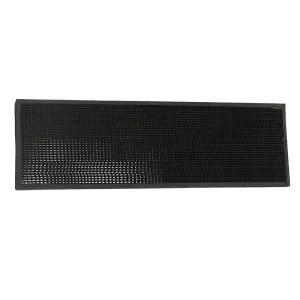
Polypropylene does not soften or rust in water, so the limit is mechanical rather than chemical. Handling and…
Read more →Washable screens fail in three specific situations. Knowing them in advance saves a purchase that looks right on…
Read more →A honeycomb grid catches on its cell walls while leaving most of the face open. That is why…
Read more →Fans run continuously and pay for every pascal of resistance, every hour. A coarse screen's pressure cost is…
Read more →A clean reading, a service reading and nothing else. Get those two numbers and the guesswork about when…
Read more →Most commercial filter schedules are inherited rather than derived. Setting the interval from pressure drop instead of calendar…
Read more →Washable panels go into a holding frame built for disposable media. Depth, sealing and face area decide whether…
Read more →AHU filtration is usually bought as a consumable. Switching a coarse stage to washable panels changes the specification,…
Read more →A coarse stage in front of a fine one extends the expensive stage's life. Getting the split right…
Read more →Every stage in the air path spends part of a fixed pressure allowance. Adding filtration without checking the…
Read more →An outside air intake sees insects, seed husks, leaves and driving rain as well as dust. The screen…
Read more →Fouled fins reduce airflow, drop the coil temperature and can ice over. The symptoms look like a refrigerant…
Read more →Disposable media in a return grille is a recurring cost that does not buy better air. What drives…
Read more →Most air conditioners ship with a disposable screen in the return grille. A cut-to-fit washable panel replaces it…
Read more →Fit a pre-filter that is too dense and the purifier moves less air than it did without one.…
Read more →Calendar intervals guess wrong in both directions. Pressure drop and a visual check against a light source are…
Read more →The stage that decides how long a HEPA cartridge lasts is the cheap one in front of it.…
Read more →Board waste is mostly a layout problem, and it is invisible in the unit price. A few percentage…
Read more →Food and beverage filtration adds two requirements to normal screen selection: cleanability, and being able to prove it.…
Read more →A liner or pad costs very little and often decides whether a reusable box suits a product at…
Read more →Knowing how the panel is produced explains what the tolerances mean and why two panels of the same…
Read more →A moulded stack-and-nest crate and a fabricated turnover box both move goods. They differ in cost, weight, durability…
Read more →Different sites buy different boxes and then cannot transfer stock between them. Standardising sounds simple and fails for…
Read more →E-commerce picking runs at a different tempo from store replenishment. Small orders, high pick rates and no consolidation…
Read more →Sleeve systems win on the return leg and lose on rigidity. A rigid container wins on handling and…
Read more →Sleeve systems fail part by part, not all at once. Inspecting and replacing components individually turns a fleet…
Read more →Automated handling removes the operator who used to compensate for variation. A sleeve system that works manually can…
Read more →A cleanroom does not just require a clean material. It requires one that does not shed, does not…
Read more →PP board is technically recyclable and practically often not recycled. What closes the gap is knowing what is…
Read more →Choosing the grade is only the first decision. What gets made from it, how it gets cut and…
Read more →Corrugated PP board makes an excellent tote and a poor crate. Knowing which side of that line a…
Read more →A tote wall carries two loads that fight each other: the contents pushing out and the stack pushing…
Read more →The same mesh count from a different source is not the same screen. A short qualification process prevents…
Read more →The purchase price of a screen is a small fraction of what it costs. Labour, downtime and the…
Read more →Most plants carry more screen variants than they need, and the extras were each added for a reason…
Read more →A screen that looks clean can still be blinding slowly. The reliable test is a comparison against the…
Read more →Where and how a screen broke is evidence. Reading it correctly separates a material problem from a system…
Read more →A screen that bypasses is not filtering, and bypass does not look like failure. Flow stays good and…
Read more →A fine screen doing a coarse screen's job fails early and often. Splitting the duty across stages is…
Read more →Most new screens that appear to fail are installed wrong. Three things settle it: full seating, correct torque,…
Read more →A pack that works in the field and the truck can still fail at the point of sale.…
Read more →Automated lines are less forgiving than people. Consistency between boxes, a predictable base and the right friction decide…
Read more →A delivery of new crates should be checked against the sample, not against the invoice. Four checks at…
Read more →Fleet size is a function of cycle time, not shipment volume. Getting that wrong is why operations run…
Read more →Some crate damage is economically repairable and some is not, and a rule that sorts them saves money…
Read more →A fleet sized for the harvest peak sits idle most of the year. Sizing for the base load…
Read more →
Owning crates converts a per-trip fee into capital, management and risk. Pooling does the opposite. The choice depends…
Read more →Wood is not banned in food areas and plastic is not automatically hygienic. What matters is condition, design…
Read more →A washed box that goes into storage damp undoes most of the benefit of washing it. Drying and…
Read more →Plastic does not harbour pests the way wood does, which is a genuine advantage. It does still shed…
Read more →Packaging audits are usually about the oldest crate in the building rather than the newest. A walk through…
Read more →A reusable crate that is not properly washed is a contamination vector that travels. Getting the wash right…
Read more →Most board drawings under-specify, and the gap gets filled by whatever was available on the day. Six lines…
Read more →A board that meets the same drawing can behave differently from a different source. Change control is what…
Read more →A board spec has two headline numbers and both can drift downward without anything looking wrong. Checking them…
Read more →Colour drifts between production runs and it is not a defect. What you can control is how far…
Read more →A delivery of honeycomb panels can be wrong in ways that are invisible on the stack. Five checks…
Read more →Almost nothing bonds to untreated polypropylene. Every reliable PP joint either changes the surface first or avoids adhesion…
Read more →An insert is only as good as the material around it. On a honeycomb panel that means designing…
Read more →A screw into a honeycomb panel is gripping almost nothing. Understanding what the fastener can actually reach decides…
Read more →Welding gives a homogeneous joint with no adhesive to fail. Which method suits depends on the geometry, the…
Read more →PP board does not hold tolerances the way metal does, and specifying metal-like limits on a plastic fabrication…
Read more →Polypropylene does not absorb water, which is true and beside the point. Water still causes problems in board…
Read more →Polypropylene keeps deforming under a constant load long after the initial deflection. It is the reason a shelf…
Read more →Polypropylene does not become brittle at freezing like some plastics, but it stiffens and it tolerates impact far…
Read more →Polypropylene handles most wash-down chemistry well. The failures come from the edges, the joints and the cleaning cycle…
Read more →Polypropylene burns, and no additive changes that. What a fire-retardant grade does is slow the spread and reduce…
Read more →Surface resistivity is the number on every ESD datasheet and the one most often misread. The range you…
Read more →Corrugated PP turnover boxes work well in a closed loop and poorly outside one. The difference is whether…
Read more →A box that works on a shelf can jam on a conveyor. Moving boxes need a flat, consistent…
Read more →Handle design is the first thing a picker notices and the last thing specified. Poor grips show up…
Read more →A picking box sized only for the product wastes shelf depth and carton space. The shelf grid is…
Read more →Sleeve boxes suit uniform cartons. Loose, granular or irregular contents behave differently and need the system designed for…
Read more →The sleeve gets the attention and the lid and base take the damage. They are what the forklift…
Read more →Sleeve boxes are bought for the outbound leg and justified by the return. The collapsed ratio is the…
Read more →A bulging sleeve is usually a wall construction or a load distribution problem, not a thickness problem. Adding…
Read more →Sleeve height is often chosen from the product and rounds out to a bad number. A few centimetres…
Read more →Temporary screens get treated as disposable and then used for a year. The requirements are about stability and…
Read more →Unstabilised PP chalks and fades within a season outdoors. UV-stabilised sheet lasts years, and the difference is a…
Read more →Temporary floor protection gets specified on price and fails on site. The demands are more specific than they…
Read more →Strapping pulls a load together and edge protection stops it being cut by the strap. They solve different…
Read more →A layer pad costs little and is often specified by default. It earns its place in some pallets…
Read more →Sheet that arrives flat can warp in storage, and sheet that warps is usually responding to how it…
Read more →Polypropylene has a low-energy surface and almost nothing bonds to it untreated. The print method and the surface…
Read more →Corrugated sheet folds beautifully in one direction and fights you in the other. The right score makes the…
Read more →A corrugated sheet is stiff one way and much less stiff the other. Most sheet failures come from…
Read more →Two numbers describe the same sheet and they are not interchangeable. Knowing which one governs your application prevents…
Read more →Most screen replacements go into housings designed for something else. Measuring the right things first avoids the two…
Read more →The cost of a screen is rarely the purchase price. It is the downtime when there is not…
Read more →Changing screens on a calendar wastes good life and risks failures. Differential pressure is the better signal, but…
Read more →Aggressive cleaning restores flow and shortens screen life. The methods that remove deposits fastest are often the ones…
Read more →Screens rarely wear out. They blind, and the mechanism tells you which change would actually help - which…
Read more →PP softens well before it melts, and the useful limit in a loaded screen is lower than the…
Read more →Most screen failures start at the frame rather than in the mesh. Attachment method, differential expansion and support…
Read more →Polypropylene resists a wide range of chemicals and fails decisively against others. The failure is often slow, and…
Read more →Identical mesh counts, visibly different performance. Open area is usually the reason, and it is the number most…
Read more →Mesh count is the number usually quoted and the least useful one on its own. Hole size and…
Read more →A reusable box outlives every label you put on it. Traceability has to be designed into the box,…
Read more →Reusable produce packaging succeeds or fails on the empty leg. The boxes are rarely the problem; getting them…
Read more →The water on the inside of a box usually did not leak in. It condensed there, and the…
Read more →Water and ice cool fast and punish packaging. Drainage, sealed edges and resistance to repeated soaking separate a…
Read more →Box design can speed up pre-cooling or strangle it. It cannot make up for a cold room that…
Read more →A box that wastes ten percent of a pallet costs more over a season than the box costs…
Read more →Reusable boxes win on cost per trip and lose on several things cartons do well. Which matters depends…
Read more →PP does not absorb water, but a wet produce box still loses capacity. The cause is not the…
Read more →A box stacked in a packing house and the same box stacked in a field are not in…
Read more →Vent holes are not decoration and more of them is not automatically better. Their job is removing field…
Read more →Purchase price hides the comparison between foam and honeycomb. Trip count, loss rate and wash cost decide it,…
Read more →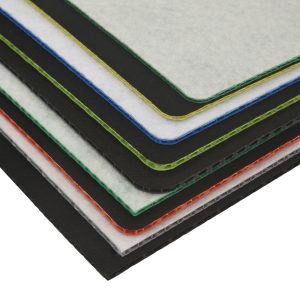
Industrial washing ages dunnage faster than transit does. Temperature and detergent chemistry matter more than cycle count.
Read more →Supplier trip-life claims are usually measured under conditions that do not resemble your loop. Here is how to…
Read more →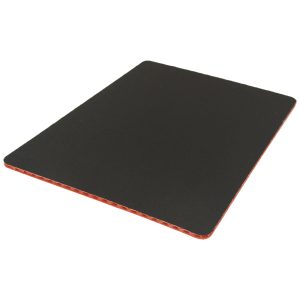
Non-contact packaging removes the difficult part from the part and gives it to the tray. Here is what…
Read more →Foam protects well and then it does not. The switch to honeycomb was driven less by protection than…
Read more →A honeycomb panel is only as good as its edge. Most field failures start at a cut, and…
Read more →Both are PP sheet products with an internal structure. They are not interchangeable, and the load case usually…
Read more →Two panels can share a thickness and a cell size and still fail differently in service. The difference…
Read more →Large cells are lighter for the same thickness and often stiffer in bending. The trade-off shows up somewhere…
Read more →Thickness is the first number on a honeycomb panel quote and often the least useful one. Here is…
Read more →A full spool carries a lot of stored rotational energy, and every stop has to absorb it. Where…
Read more →Spool specifications live in the heads of people who leave. What to write down, where, and how to…
Read more →Standardising on one spool saves money and creates compromises. How to judge where the balance falls for your…
Read more →Taking a design that works and changing its size is tempting and unreliable. What scales cleanly and what…
Read more →Most spool replacements start with a physical sample and no drawing. How to measure one properly and what…
Read more →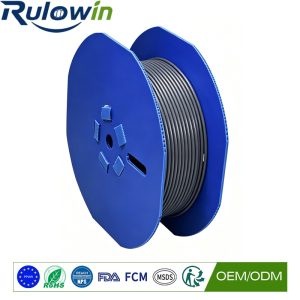
What actually happens between a dimensioned idea and a sample you can hold, and where the time goes.
Read more →
Two spools from the same delivery, wound the same way, behaving differently. The causes, most of which are…
Read more →A high product-to-packaging weight ratio changes the economics and the engineering. What it means for specification and for…
Read more →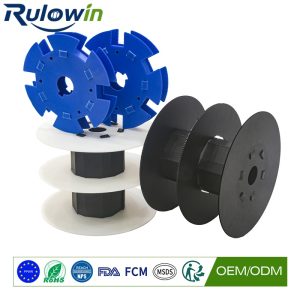
Plastic packaging sometimes smells, and sometimes the smell transfers. Where it comes from, when it matters, and what…
Read more →Colour coding is only useful if it still identifies things in three years. Why some colours fade and…
Read more →Antistatic claims are easy to make and hard to check on a shop floor. What you can measure…
Read more →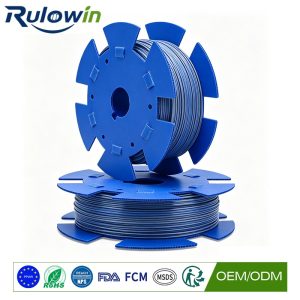
Small spools have their own set of problems, most of them to do with tolerance, speed and how…
Read more →Scaling a spool up is not a linear exercise. Several effects get worse faster than the size does,…
Read more →A fleet of returnable spools is an asset spread across your customers' sites. Most insurance arrangements do not…
Read more →The cost of a spool problem is never the spool. A plain way to price the disruption, and…
Read more →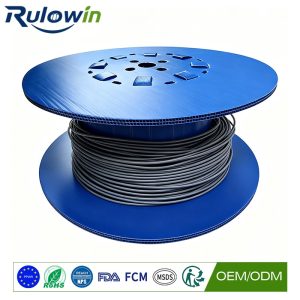
Sometimes the right answer is to retire a whole delivery rather than individual spools. When that is correct…
Read more →Reusable packaging programmes get judged on purchase price and almost nothing else. The handful of measures that actually…
Read more →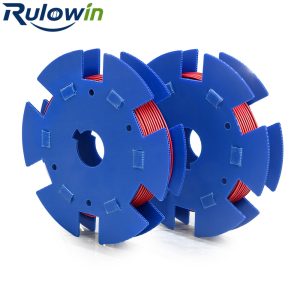
Most spool trials are too small, too short and measure nothing. What a pilot needs to produce a…
Read more →
A folder of what failure actually looks like beats any written procedure. How to build one in an…
Read more →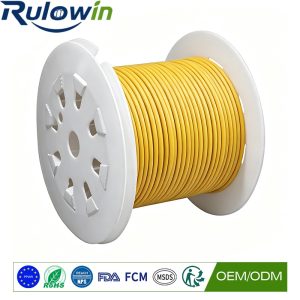
Spool problems that come back have usually been solved at the symptom level several times. A plain method…
Read more →
The spool loop with a new customer is decided in the first few shipments. What to set up…
Read more →An honest look at whether better spools ever win business, and where spending on packaging genuinely pays versus…
Read more →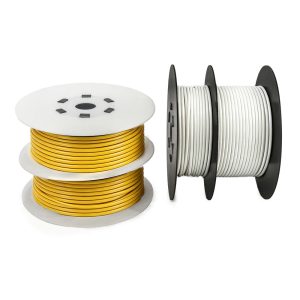
Customer-driven packaging changes arrive as a small request and become a significant commitment. How to handle them without…
Read more →Packaging disputes turn into deductions more often than they turn into conversations. Where they come from and the…
Read more →Spool obligations belong in the supply agreement, and they usually are not. The clauses worth having and the…
Read more →For most of your customers the spool is their first physical contact with your product. What it communicates…
Read more →
Polypropylene burns, and a store of empty spools is a fuel load. What that means for storage without…
Read more →Spools stored outdoors create hazards that are not obvious until something happens. The three that matter and the…
Read more →Rolling a spool across a floor is the natural way to move it and a regular cause of…
Read more →Crane and hoist handling of spools has its own failure modes, most of them to do with where…
Read more →Spools are awkward shapes that defeat weight-based rules of thumb. What makes one harder to handle than its…
Read more →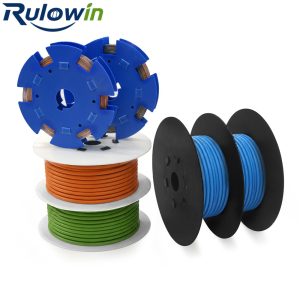
Stack height for spools is limited by stability and by what the bottom flange can carry, and the…
Read more →Stopping a round object from moving is a different problem from holding it down. Why restraint beats clamping…
Read more →
Spools do not sit on standard shelving well. What to look for in racking, and the two arrangements…
Read more →Spools are charged by the space they occupy, not what they weigh. Why air freight costs surprise people…
Read more →Cargo sweat in a shipping container is a predictable physical event, not bad luck. Why it happens on…
Read more →Spools on pallets are usually sized by what fits rather than by what is stable. Overhang, footprint and…
Read more →
The strap holding a spool secure is often what damages it. Where banding cuts in, what it crushes,…
Read more →
Estimating remaining length on a part-used spool comes up constantly and is usually guessed. Three methods, in order…
Read more →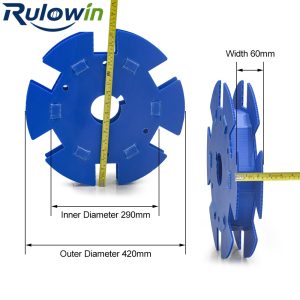
A certificate with a spool delivery usually says less than it appears to. What the document actually commits…
Read more →If a material issue were ever traced back to a production batch, would you know which spools were…
Read more →Everyone photographs damaged spools and almost none of the photos settle anything. What to include in the frame…
Read more →
A thirty-second check that catches nearly everything, written so it can be done by whoever is standing there…
Read more →
A spool is not the same object at trip fifty as it was at trip one. Which dimensions…
Read more →
Seasonal variation in spool problems is common and rarely mysterious. Heat, humidity and light each change something specific.
Read more →
A payoff that runs smoothly at one speed and shakes badly at another is not a mystery. It…
Read more →Some product keeps changing chemically after it is wound. What that does to a pack, and which packaging…
Read more →Water in a wound pack causes more trouble than most people expect, and plastic spools behave better in…
Read more →Product that goes on warm and cools on the spool changes dimensions after winding. What that does to…
Read more →A wound pack pushes outward on the flange the whole time it sits there. Understanding that one load…
Read more →Redesigning packaging competes badly for attention and wins surprisingly often. Signs that the current spool is costing more…
Read more →Warranties for reusable industrial packaging are mostly vague, mostly unenforceable, and occasionally useful. What is worth asking for…
Read more →Every sustainability and cost claim about reusable spools depends on a trip count almost nobody can produce.
Read more →Everybody wants recycled content and few specifications say what percentage, of what, or from where. How it actually…
Read more →Customers ask for compliance statements. Mostly they get confident-looking documents that do not say what anyone thinks they…
Read more →Drawings get signed off faster than they get thought about. Ten questions that are much cheaper to ask…
Read more →MOQ is a real cost, and chasing it down distorts purchasing in ways that cost more than the…
Read more →Ordering twice as many spools changes more than unit price, and some of what changes is not good…
Read more →Dual sourcing looks like obvious risk management and is often just expensive. How to do it so it…
Read more →Most of what determines the unit price is not on the drawing. Levers a buyer can actually pull,…
Read more →Samples are bulky, apparently worthless and always urgent, which is exactly the combination that causes customs problems.
Read more →A quality agreement is a short document that prevents most supplier arguments. What to put in one for…
Read more →Reusable spool disagreements are rarely about the spools. They are about nobody having written down what was supposed…
Read more →The commercial model for a reusable spool shapes who looks after it, and that decides whether the loop…
Read more →Two quotes for apparently the same spool can differ by 40% and both be honest. What each line…
Read more →Natural and synthetic cordage is cheap, bulky and surprisingly demanding of its packaging. The problems are set, contamination…
Read more →Salt air, no shade and heavy mechanical handling make marine environments about as hard as it gets for…
Read more →Thin web materials bring problems that do not exist in anything round: blocking, static, edge damage and the…
Read more →Rubber profile wants to be left alone. Almost every spooling requirement follows from the fact that it deforms…
Read more →Harness lines use small spools at high changeover rates, where the packaging cost is mostly labour rather than…
Read more →Wire that has already been joined into a mesh behaves very differently from single wire. Abrasion, snagging and…
Read more →The two get spooled on similar equipment and need almost opposite things from a package. Where the requirements…
Read more →Glass fibre is abrasive, generates dust and is intolerant of being rubbed. The requirements are different from anything…
Read more →Soft wire has almost no stiffness of its own, which means the spool has to provide what the…
Read more →Fine magnet wire asks for things that heavy cable does not care about, mainly about surface and about…
Read more →Product tangles into a knot at payoff, usually catastrophically. The causes cluster into a short list, and the…
Read more →The outer layers are the only part of a wound pack you can see, and they are the…
Read more →A spool that does not turn smoothly creates tension spikes that look like machine faults. The four reasons…
Read more →Marking at the edges of a wound pack has a small number of causes, and nearly all of…
Read more →A curl at payoff is one of the most reported and least understood complaints. Working through the causes…
Read more →A line that changes spools twenty times a shift loses hours a week to the change itself. Where…
Read more →Winding at constant tension builds a pack that is tight at the core and slack at the outside,…
Read more →The moment a full spool leaves the winder is when a lot of good winding gets undone. What…
Read more →Start-up scrap is invisible on most cost reports and significant on any line with frequent changeovers. Where it…
Read more →Almost everything that goes wrong at unwind was decided in the first few turns onto the core. What…
Read more →Nobody keeps records until something goes wrong, and then nobody has any. The minimum logging that makes later…
Read more →The first delivery from a new spool supplier is the cheapest one to reject. What to measure before…
Read more →A loaded-flange measurement takes fifteen minutes, needs a ruler and some weights, and tells you more about a…
Read more →Almost everyone has dropped a spool and drawn a conclusion from it. Very few have done it in…
Read more →You do not need a CMM to find a spool that is not concentric. Four checks that take…
Read more →PP hollow board is directional, and the direction the internal channels run changes how a flange behaves. A…
Read more →Tight tolerance costs money and loose tolerance causes problems. The handful of dimensions that genuinely need holding, and…
Read more →Spools get marked for ownership, safety and traceability. Which marking methods survive real service and which fade in…
Read more →Drainage and ventilation look like free features. Sometimes they are, and sometimes they are the reason a spool…
Read more →Cut-outs in a flange remove weight and stiffness at the same time. When the trade is worth making…
Read more →The rim takes the knocks, sits on the ground and carries the stack. Three ways to reinforce it,…
Read more →The flange gets the attention but the core carries the compressive load. Three ways to make one, and…
Read more →A spool that comes apart saves a great deal of return freight and introduces a joint that can…
Read more →How torque gets from the machine into the spool determines how fast things wear out. Three common arrangements…
Read more →Most people picture a spool flange as a flat disc, and most of the interesting engineering is in…
Read more →Reusable spools eventually stop being reusable. What actually happens to them, what is genuinely recyclable, and why this…
Read more →Most spools do not need cleaning, and the ones that do are often being cleaned with the wrong…
Read more →Long-term storage under load is a quiet failure mode. What actually happens to the spool, what happens to…
Read more →A spool designed for a human with a forklift is often a poor spool for a gripper. What…
Read more →Three constructions, three very different cost and performance profiles. Including the cases where hollow board is genuinely the…
Read more →Flanges get the attention and cores get the load, but the bore is what usually ends a spool's…
Read more →Polypropylene gets stiffer and more brittle as it cools, but the practical picture is more forgiving than the…
Read more →Most spool damage is either trivial or terminal, with very little in between. How to tell which, and…
Read more →The most common cause of a stalled reusable spool programme is simply buying too few. A plain way…
Read more →The words get used interchangeably and that causes real quoting errors. What each term usually means in practice,…
Read more →A sample that looks right tells you very little. Six tests that predict how a spool will behave…
Read more →Unit price means nothing without a trip count. The four costs that decide whether a reusable spool programme…
Read more →Why a spool costs what it costs. The three cost drivers, which ones are negotiable, and how to…
Read more →Most bad spool quotes come from incomplete enquiries. The twelve pieces of information that turn a vague request…
Read more →Filament spools look like a simple problem and have a surprisingly specific failure mode. What matters when the…
Read more →In medical applications the spool is a process component, not a container. Cleanability, extractables and traceability, and what…
Read more →Flat product behaves completely differently on a spool. Edge damage, telescoping and the traverse settings that keep a…
Read more →Yarn is wound on packages, not spools, and the reasons are instructive. What industrial spooling borrowed from textiles,…
Read more →Hose kinks and tube ovalises. Both are geometry problems that start on the spool — and both are…
Read more →Wire rope is stiff, heavy and springs back. What that does to a spool, and why the flange…
Read more →Wire that will not feed straight is a spool problem as often as a wire problem. What cast…
Read more →Large diameters, very high tension and heavy loads. An honest look at where plastic spools stop being the…
Read more →Copper is forgiving compared with fibre, but it is heavy and it takes a set. What actually goes…
Read more →Fibre does not forgive the things copper tolerates. Bend radius, tension consistency and surface finish, and why the…
Read more →A take-apart spool ships as a fraction of its assembled volume. The saving is real, and it comes…
Read more →Most claims fail on evidence rather than on merit. What to record, when, and how to make the…
Read more →When one load splits across five sites, the label is the product. What survives the journey and what…
Read more →A yard is a system, not a space. Stacking rules, rotation, and the layout decisions that decide how…
Read more →Reusable spool programmes succeed or fail on the return leg. Ownership, triggers, condition standards and the four rules…
Read more →Wooden reels need treatment and a stamp at every border. Plastic does not. What that is actually worth…
Read more →Spools are awkward shapes to load well. Orientation, blocking and weight distribution, and the mistakes that cost a…
Read more →Loose, cartoned, layered or crated. What each packing method actually protects, what it costs, and which failure each…
Read more →A sheet wound between layers solves real problems and creates others. A cost-benefit look at interlayer on reusable…
Read more →Every transfer between spools can put a turn into the product. Why twist matters for some products, and…
Read more →When one layer sinks into the one below and locks the spool. What causes it, how to spot…
Read more →The tail end of a spool produces a disproportionate share of damage and scrap. Four reasons why, and…
Read more →Unbalance force scales with the square of speed, which is why a spool that is fine at low…
Read more →Three ways to control payoff tension, what each is good at, and why the spool still matters however…
Read more →The tightest bend in the whole operation is usually where the product leaves the flange on the last…
Read more →The last few millimetres of capacity cost more than they are worth. What happens to product wound flush…
Read more →How the product was wound decides how it comes off. Traverse pitch, layer count and edge behaviour, and…
Read more →Most product damage attributed to the spool is actually a tension control problem. A practical walk through where…
Read more →Thicker walls are not automatically better. What wall thickness actually delivers on a hollow board spool, and where…
Read more →Tare weight is invisible on a sea freight invoice and very visible on an air freight one. Where…
Read more →Untreated polypropylene chalks and embrittles in sunlight faster than most people expect. What to specify, and how to…
Read more →Colour is the cheapest identification system available for a spool fleet, and the easiest one to let decay…
Read more →Most spools do not need an antistatic package. The ones that do tend to fail quietly, because the…
Read more →A bigger core costs capacity and buys you a flatter tension curve and a gentler minimum bend radius.…
Read more →Winding tension pulls the flanges inward. Adding material is the obvious fix and the wrong one. Rib geometry…
Read more →Plywood reels fail in wet service in ways that are easy to miss until the cable is damaged.…
Read more →The core gets the attention, but the bond between skin and core decides how a panel ages. A…
Read more →Evaporative cooling needs a medium that holds water, resists scale and survives constant wetting. How honeycomb PP screens…
Read more →A washable screen only pays off if washing actually restores it. Method, water temperature, drying, and the signs…
Read more →A shielding bag inside a normal box is a partial answer. How the box, the insert and the…
Read more →When one delivery splits across five sites, the label becomes the product. What a drum label has to…
Read more →Untreated polypropylene degrades in sunlight faster than most people expect. What the damage looks like, how fast it…
Read more →How much cable fits on a drum is geometry, not guesswork. The winding calculation, the corrections that matter,…
Read more →A reuse programme lives or dies on what you accept back. A practical inspection checklist for returning spools,…
Read more →Flange damage in transit is avoidable and expensive. Packaging choices, stacking rules and the two handling moments where…
Read more →A sleeve is a walking billboard at pallet height. Which printing methods hold up on polypropylene, and how…
Read more →Polypropylene stays tough at low temperatures, but cold changes sleeves in three specific ways. What to check before…
Read more →Colour is the cheapest error-reduction tool in a warehouse. Where it genuinely helps, where it fails, and how…
Read more →The box, the shelf bay and the divider system have to agree on a dimension that nobody writes…
Read more →Renting crates per trip removes capital and admin. Owning them costs less per trip at volume. How to…
Read more →Two or three more boxes per layer sounds trivial. Across a season it is a container. How to…
Read more →A box that stacks well uses pallet cube outbound. A box that nests uses less space coming back.…
Read more →What actually happens to a corrugated polypropylene sheet at end of life, how many times it can loop,…
Read more →Crease depth, flute direction and material memory. What causes out-of-square blanks and what to put on the drawing…
Read more →Reusable packaging programmes fail on ownership questions more often than on material questions. How to structure a loop…
Read more →The same panel can carry several times more load one way up than the other. Why cell direction…
Read more →How cell geometry, thickness and open area determine resistance and dirt-holding capacity — and how to balance them…
Read more →Reusable ESD packaging loses protection at the handling boundaries, not in the material. A walk through the failure…
Read more →Antistatic, dissipative and conductive are not interchangeable. What surface resistivity numbers mean and which ones to put in…
Read more →Water absorption, dimensional change, splintering and ISPM 15. A look at what happens to wooden reels in a…
Read more →Why the last hundred metres on a drum causes disproportionate damage, and how diameter, tension control and flange…
Read more →Felt, fleece, foam and bare panel compared on the failure modes that matter — compression set, contamination and…
Read more →Trip life is decided by corner geometry, facing material and how the tray meets the rack. Notes from…
Read more →Concentricity, bore fit, balance grade and flange deflection. The four numbers that decide whether a spool runs clean…
Read more →Tension control, changeover time and disposal. A comparison of take-apart spools and one-piece reels from the machine side…
Read more →A practical comparison for export packaging — tare weight, container utilisation, treatment rules, and where wood still makes…
Read more →Sleeve height should be driven by pallet cube and container fill, not by what fits the parts. How…
Read more →Rim height, grip position, weight at arm's length and glare. What handlers actually complain about, and how to…
Read more →Water, chlorine, temperature cycling and mechanical handling. What reusable PP crates need to survive in wet processing environments.
Read more →More vents do not mean faster cooling. Where you place them, and how they line up with the…
Read more →A break-even model you can actually run, including the costs most comparisons leave out — return freight, washing,…
Read more →Internal radius, stack height tolerance and handle cut-out depth cause more line-side problems than external footprint. Notes on…
Read more →Feed rates, tool geometry and hold-down that actually matter when converting honeycomb PP. Notes from the cutting room,…
Read more →Cell walls carry the load, but open edges are what let moisture, grit and delamination in. A practical…
Read more →Reusable PP sheet is not the right answer everywhere. Three situations where paperboard genuinely wins, and how to…
Read more →GSM is the first number buyers ask for and the least useful one on its own. Here is…
Read more →
The Real Cost of Unprotected Floors Hardwood, tile, and polished concrete all look great until renovation begins. Paint…
Read more →
Why Surface Protection Pays Off Surface damage is the silent budget killer on fit-out projects. It rarely stops…
Read more →
Why Surface Protection Pays Off When multiple trades share a space, unprotected floors, stairs, and walls become a…
Read more →
Why Sites Skip Surface Protection at Their Peril Sustainable builds are judged on waste. Reusable PP protection scores…
Read more →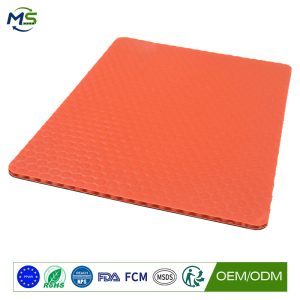
The Real Cost of Unprotected Floors Most floor damage during construction is avoidable. The real cost shows up…
Read more →
The Real Cost of Unprotected Surfaces Sustainable builds are judged on waste. Reusable PP protection scores better than…
Read more →
The Real Cost of Unprotected Surfaces Surface damage is the silent budget killer on fit-out projects. It rarely…
Read more →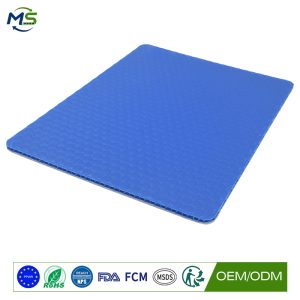
Why Surface Protection Pays Off Surface damage is the silent budget killer on fit-out projects. It rarely stops…
Read more →
The Real Cost of Unprotected Floors Homeowners usually spot floor damage only at handover, once the moving truck…
Read more →
Why Surface Protection Pays Off Sustainable builds are judged on waste. Reusable PP protection scores better than disposable…
Read more →The Real Cost of Unprotected Surfaces When multiple trades share a space, unprotected floors, stairs, and walls become…
Read more →
Why Floor Protection Pays Off Cosmetic floor damage from routine renovation is rarely covered by insurance. The practical…
Read more →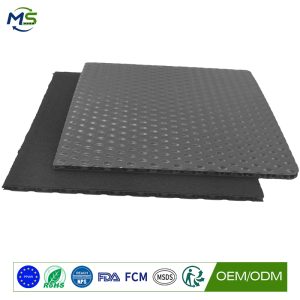
Why Surface Protection Pays Off Punch-list surface damage is the most common cause of delayed handover. A reusable…
Read more →
Why Sites Skip Floor Protection at Their Peril Trades move fast, and a bare floor is a floor…
Read more →
Why Sites Skip Floor Protection at Their Peril Hardwood, tile, and polished concrete all look great until renovation…
Read more →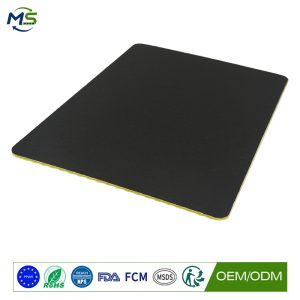
Why Wall Protection Pays Off Clients tour sites before completion. Scuffed walls undermine confidence in the finish, so…
Read more →Why Sites Skip Wall Protection at Their Peril Clients tour sites before completion. Scuffed walls undermine confidence in…
Read more →
Why Sites Skip Wall Protection at Their Peril Demolition and drilling throw debris that pits painted walls. A…
Read more →
Why Wall Protection Pays Off Walls may seem sturdy, but a knocked ladder or a dragged panel leaves…
Read more →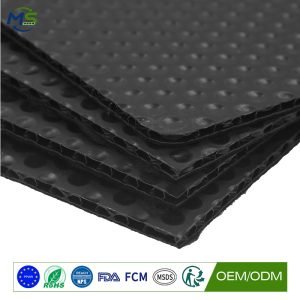
Why Wall Protection Pays Off Interior walls are vulnerable the moment work starts. Scuffs, dents, and paint overspray…
Read more →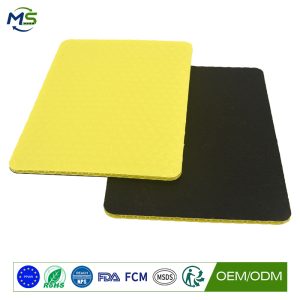
Why Sites Skip Wall Protection at Their Peril Interior walls are vulnerable the moment work starts. Scuffs, dents,…
Read more →
Why Sites Skip Wall Protection at Their Peril Walls may seem sturdy, but a knocked ladder or a…
Read more →
Why Sites Skip Wall Protection at Their Peril Corridors and lobbies see constant cart traffic during fit-out. A…
Read more →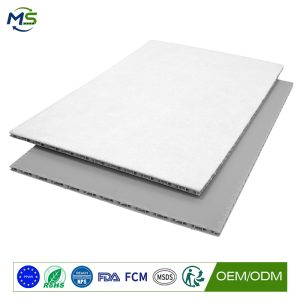
Why Sites Skip Wall Protection at Their Peril Interior walls are vulnerable the moment work starts. Scuffs, dents,…
Read more →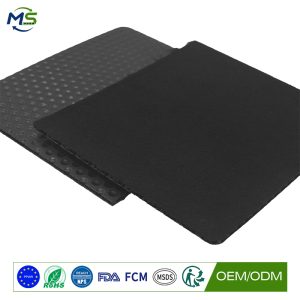
The Real Cost of Unprotected Walls Walls may seem sturdy, but a knocked ladder or a dragged panel…
Read more →
Why Wall Protection Pays Off Walls may seem sturdy, but a knocked ladder or a dragged panel leaves…
Read more →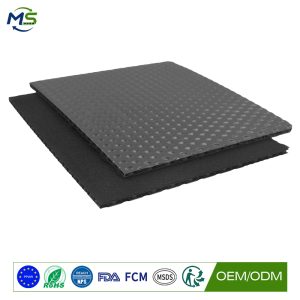
Why Sites Skip Wall Protection at Their Peril Interior walls are vulnerable the moment work starts. Scuffs, dents,…
Read more →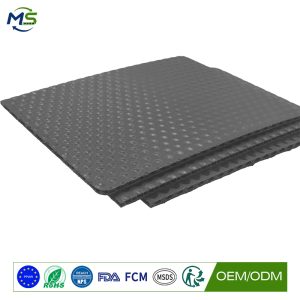
The Real Cost of Unprotected Walls Walls may seem sturdy, but a knocked ladder or a dragged panel…
Read more →
The Real Cost of Unprotected Walls Open-plan renovations expose long wall runs to carts, ladders, and debris. Without…
Read more →
Why Wall Protection Pays Off Interior walls are vulnerable the moment work starts. Scuffs, dents, and paint overspray…
Read more →
The Real Cost of Unprotected Walls Walls may seem sturdy, but a knocked ladder or a dragged panel…
Read more →
Why Wall Protection Pays Off Walls may seem sturdy, but a knocked ladder or a dragged panel leaves…
Read more →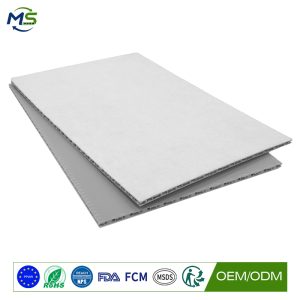
The Real Cost of Unprotected Walls Clients tour sites before completion. Scuffed walls undermine confidence in the finish,…
Read more →Why Wall Protection Pays Off Corridors and lobbies see constant cart traffic during fit-out. A leaned panel prevents…
Read more →The Real Cost of Unprotected Walls Clients tour sites before completion. Scuffed walls undermine confidence in the finish,…
Read more →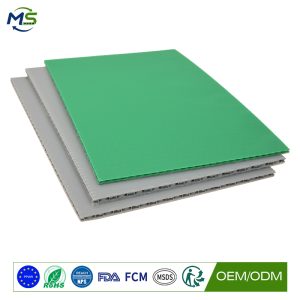
Why Sites Skip Stair Protection at Their Peril Painters and plasterers working stairwells drop tools constantly. Without a…
Read more →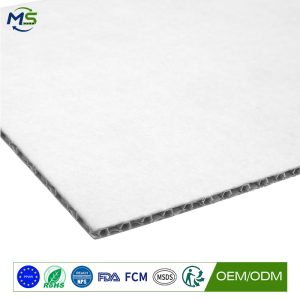
Why Sites Skip Stair Protection at Their Peril Stair treads take relentless abuse from foot traffic, moving furniture,…
Read more →
Why Sites Skip Stair Protection at Their Peril Furniture and appliance moves are where stairs suffer most. A…
Read more →
The Real Cost of Unprotected Stairs Painters and plasterers working stairwells drop tools constantly. Without a cushioned layer,…
Read more →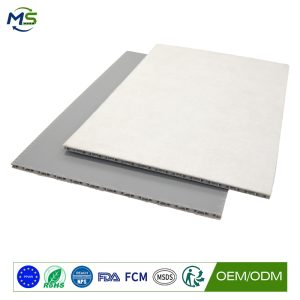
Why Sites Skip Stair Protection at Their Peril Furniture and appliance moves are where stairs suffer most. A…
Read more →
Why Sites Skip Stair Protection at Their Peril Furniture and appliance moves are where stairs suffer most. A…
Read more →
The Real Cost of Unprotected Stairs Stair treads take relentless abuse from foot traffic, moving furniture, and material…
Read more →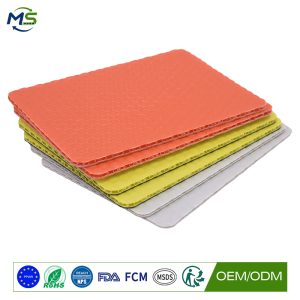
Why Sites Skip Stair Protection at Their Peril A scuffed stair at handover reads as poor workmanship even…
Read more →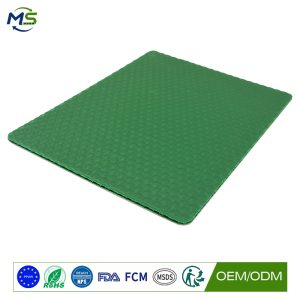
The Real Cost of Unprotected Stairs Stairs are the busiest corridor on a site and the easiest place…
Read more →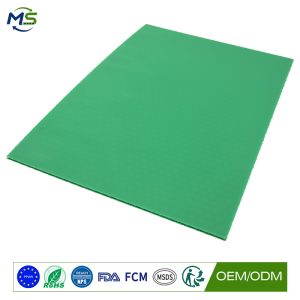
Why Sites Skip Stair Protection at Their Peril Stairs are the busiest corridor on a site and the…
Read more →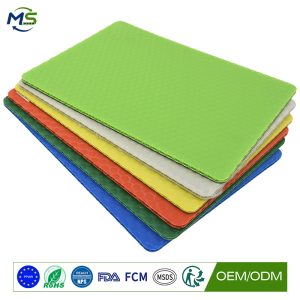
The Real Cost of Unprotected Stairs A scuffed stair at handover reads as poor workmanship even when the…
Read more →Why Stair Protection Pays Off Stairs are the busiest corridor on a site and the easiest place to…
Read more →
Why Stair Protection Pays Off Stair treads take relentless abuse from foot traffic, moving furniture, and material handling.…
Read more →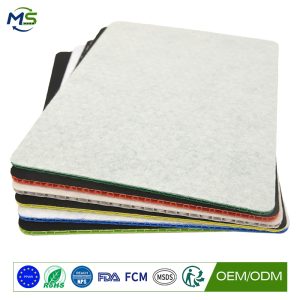
Why Sites Skip Stair Protection at Their Peril A scuffed stair at handover reads as poor workmanship even…
Read more →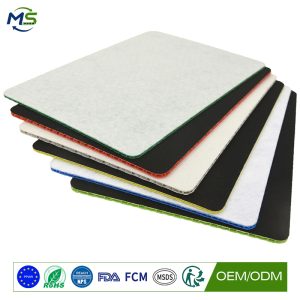
Why Sites Skip Stair Protection at Their Peril Painters and plasterers working stairwells drop tools constantly. Without a…
Read more →
Why Stair Protection Pays Off A scuffed stair at handover reads as poor workmanship even when the structure…
Read more →
Why Sites Skip Stair Protection at Their Peril Painters and plasterers working stairwells drop tools constantly. Without a…
Read more →
Why Stair Protection Pays Off Stairs are the busiest corridor on a site and the easiest place to…
Read more →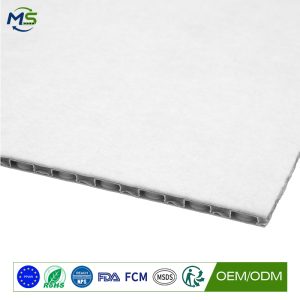
The Real Cost of Unprotected Stairs Painters and plasterers working stairwells drop tools constantly. Without a cushioned layer,…
Read more →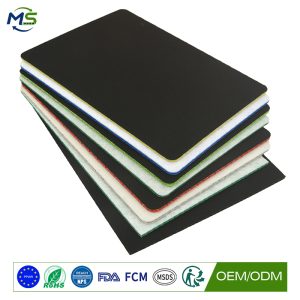
Why Sites Skip Stair Protection at Their Peril Painters and plasterers working stairwells drop tools constantly. Without a…
Read more →Why Stair Protection Pays Off A scuffed stair at handover reads as poor workmanship even when the structure…
Read more →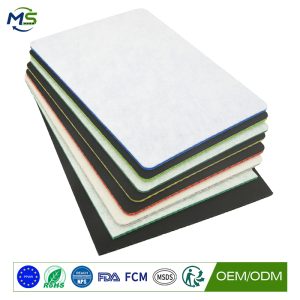
Why Stair Protection Pays Off Stair treads take relentless abuse from foot traffic, moving furniture, and material handling.…
Read more →
Why Stair Protection Pays Off Stair treads take relentless abuse from foot traffic, moving furniture, and material handling.…
Read more →
Why Stair Protection Pays Off Painters and plasterers working stairwells drop tools constantly. Without a cushioned layer, every…
Read more →The Real Cost of Unprotected Stairs Painters and plasterers working stairwells drop tools constantly. Without a cushioned layer,…
Read more →Why Floor Protection Pays Off Hardwood, tile, and polished concrete all look great until renovation begins. Paint splatter,…
Read more →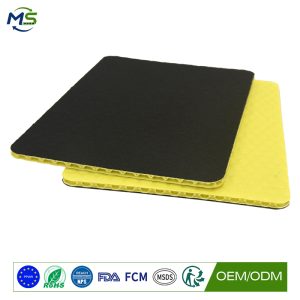
The Real Cost of Unprotected Floors Hardwood, tile, and polished concrete all look great until renovation begins. Paint…
Read more →Why Sites Skip Floor Protection at Their Peril Trades move fast, and a bare floor is a floor…
Read more →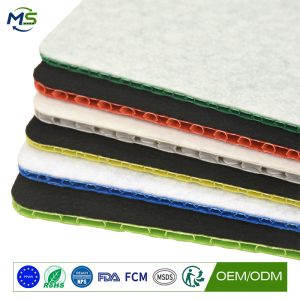
Why Sites Skip Floor Protection at Their Peril Trades move fast, and a bare floor is a floor…
Read more →Why Sites Skip Floor Protection at Their Peril Most floor damage during construction is avoidable. The real cost…
Read more →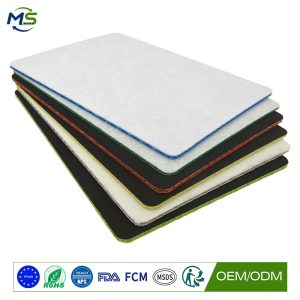
Why Sites Skip Floor Protection at Their Peril Finished floors are some of the most expensive surfaces on…
Read more →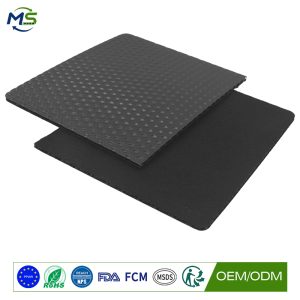
The Real Cost of Unprotected Floors Trades move fast, and a bare floor is a floor waiting for…
Read more →
Why Sites Skip Floor Protection at Their Peril Trades move fast, and a bare floor is a floor…
Read more →
The Real Cost of Unprotected Floors Homeowners usually spot floor damage only at handover, once the moving truck…
Read more →Why Floor Protection Pays Off Hardwood, tile, and polished concrete all look great until renovation begins. Paint splatter,…
Read more →Why Sites Skip Floor Protection at Their Peril Most floor damage during construction is avoidable. The real cost…
Read more →
Why Floor Protection Pays Off Hardwood, tile, and polished concrete all look great until renovation begins. Paint splatter,…
Read more →
Why Sites Skip Floor Protection at Their Peril Cosmetic floor damage from routine renovation is rarely covered by…
Read more →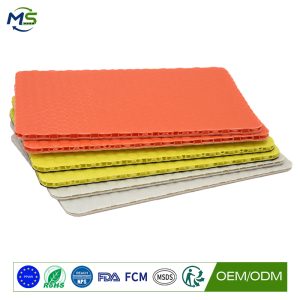
Why Floor Protection Pays Off Trades move fast, and a bare floor is a floor waiting for a…
Read more →Why Floor Protection Pays Off Finished floors are some of the most expensive surfaces on any job site,…
Read more →Why Floor Protection Pays Off Most floor damage during construction is avoidable. The real cost shows up later,…
Read more →
The Real Cost of Unprotected Floors Trades move fast, and a bare floor is a floor waiting for…
Read more →Why Floor Protection Pays Off Homeowners usually spot floor damage only at handover, once the moving truck has…
Read more →Why Sites Skip Floor Protection at Their Peril Hardwood, tile, and polished concrete all look great until renovation…
Read more →Why Floor Protection Pays Off Homeowners usually spot floor damage only at handover, once the moving truck has…
Read more →Why Sites Skip Floor Protection at Their Peril Most floor damage during construction is avoidable. The real cost…
Read more →Why Sites Skip Floor Protection at Their Peril Cosmetic floor damage from routine renovation is rarely covered by…
Read more →
Why Sites Skip Floor Protection at Their Peril Trades move fast, and a bare floor is a floor…
Read more →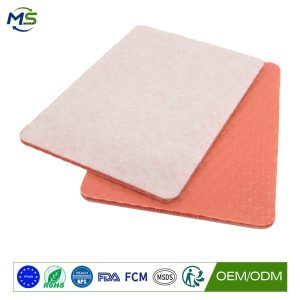
Why Floor Protection Pays Off Most floor damage during construction is avoidable. The real cost shows up later,…
Read more →
The Real Cost of Unprotected Floors Finished floors are some of the most expensive surfaces on any job…
Read more →
Why Floor Protection Pays Off Cosmetic floor damage from routine renovation is rarely covered by insurance. The practical…
Read more →The Real Cost of Unprotected Floors Most floor damage during construction is avoidable. The real cost shows up…
Read more →
Why Floor Protection Pays Off Cosmetic floor damage from routine renovation is rarely covered by insurance. The practical…
Read more →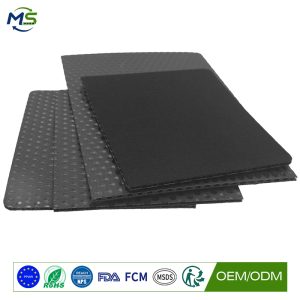
The Real Cost of Unprotected Floors Trades move fast, and a bare floor is a floor waiting for…
Read more →Why Sites Skip Floor Protection at Their Peril Homeowners usually spot floor damage only at handover, once the…
Read more →
Why Sites Skip Floor Protection at Their Peril Hardwood, tile, and polished concrete all look great until renovation…
Read more →Why Sites Skip Floor Protection at Their Peril Homeowners usually spot floor damage only at handover, once the…
Read more →
The Real Cost of Unprotected Floors Cosmetic floor damage from routine renovation is rarely covered by insurance. The…
Read more →
The Real Cost of Unprotected Floors Trades move fast, and a bare floor is a floor waiting for…
Read more →Why Floor Protection Pays Off Trades move fast, and a bare floor is a floor waiting for a…
Read more →Why Sites Skip Floor Protection at Their Peril Trades move fast, and a bare floor is a floor…
Read more →The Real Cost of Unprotected Floors Finished floors are some of the most expensive surfaces on any job…
Read more →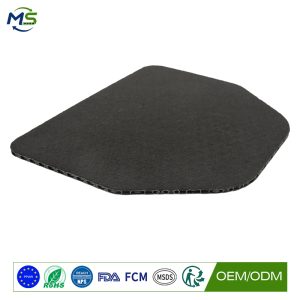
Why Floor Protection Pays Off Hardwood, tile, and polished concrete all look great until renovation begins. Paint splatter,…
Read more →
Why Floor Protection Pays Off Finished floors are some of the most expensive surfaces on any job site,…
Read more →Why Sites Skip Floor Protection at Their Peril Most floor damage during construction is avoidable. The real cost…
Read more →Why Vinyl And Lvt Flooring Need Proper Protection It only takes a moment. One careless movement during a…
Read more →The Real Risk to Structural Columns Structural columns face a real beating during fit-out and everyday vehicle movement.…
Read more →Why Historic Church Floors Need Proper Protection Protection is rarely the glamorous part of restoration and reordering works,…
Read more →Understanding What's at Stake Ask any seasoned contractor where budgets quietly leak and they will point at damaged…
Read more →Why School Hall And Classroom Floors Need Proper Protection Ask any seasoned contractor where budgets quietly leak and…
Read more →The Real Risk to Existing Rooms Adjoining The Works Before a single tool comes out during a house…
Read more →Why This Surface Deserves Attention It only takes a moment. One careless movement during the final weeks of…
Read more →Why This Surface Deserves Attention Ask any seasoned contractor where budgets quietly leak and they will point at…
Read more →Why This Surface Deserves Attention Ask any seasoned contractor where budgets quietly leak and they will point at…
Read more →The Real Risk to Kitchen Countertops Ask any seasoned contractor where budgets quietly leak and they will point…
Read more →Understanding What's at Stake Salon and spa floors face a real beating during a salon or spa fit-out.…
Read more →Understanding What's at Stake It only takes a moment. One careless movement during a rolling floor-by-floor refurbishment and…
Read more →The Real Risk to Carpet And Carpet Tiles Ask any seasoned contractor where budgets quietly leak and they…
Read more →Why This Surface Deserves Attention Ask any seasoned contractor where budgets quietly leak and they will point at…
Read more →Understanding What's at Stake It only takes a moment. One careless movement during racking installation and fit-out and…
Read more →Why This Surface Deserves Attention Protection is rarely the glamorous part of any remodel with heavy footfall, yet…
Read more →Why Plasterboard Wall Corners Need Proper Protection Plasterboard wall corners face a real beating during the busy fit-out…
Read more →The Real Risk to Raised Access Floors Raised access floors face a real beating during server-hall fit-out and…
Read more →Understanding What's at Stake It only takes a moment. One careless movement during a commercial fit-out and freshly…
Read more →Why Hotel Corridor Corners Need Proper Protection Before a single tool comes out during refurbishment and daily operations,…
Read more →Understanding What's at Stake Before a single tool comes out during a retail or gallery fit-out, the smartest…
Read more →Why Restaurant Dining And Kitchen Floors Need Proper Protection Ask any seasoned contractor where budgets quietly leak and…
Read more →Understanding What's at Stake Protection is rarely the glamorous part of a heritage or commercial refurbishment, yet it…
Read more →Why This Surface Deserves Attention Every upgrade brings the same tension: the trades need to move fast, but…
Read more →Understanding What's at Stake Stage and auditorium floors face a real beating during production changeovers and maintenance. For…
Read more →Why Clinical Vinyl And Resin Floors Need Proper Protection Before a single tool comes out during ward and…
Read more →The Real Risk to Stair Nosings And Edges Stair nosings and edges face a real beating during heavy…
Read more →Understanding What's at Stake Ask any seasoned contractor where budgets quietly leak and they will point at damaged…
Read more →The Real Risk to Bank-Branch Floors Every renovation brings the same tension: the trades need to move fast,…
Read more →Why Nursery And Early-Years Floors Need Proper Protection Protection is rarely the glamorous part of a nursery refit,…
Read more →Understanding What's at Stake It only takes a moment. One careless movement during non-sporting events and equipment moves…
Read more →Why Freshly Coated Epoxy Floors Need Proper Protection Before a single tool comes out during the curing window…
Read more →The Real Risk to Radiators And Pipework Protection is rarely the glamorous part of painting and plastering, yet…
Read more →Why Brewery And Distillery Floors Need Proper Protection Ask any seasoned contractor where budgets quietly leak and they…
Read more →The Real Risk to Fitted Cabinets And Units It only takes a moment. One careless movement during a…
Read more →Understanding What's at Stake Conservatory floors and thresholds face a real beating during a conservatory build or refit.…
Read more →Understanding What's at Stake Home-gym floors face a real beating during gym-equipment installation. For homeowners and gym-equipment installers,…
Read more →Why Historic Or Premium Venue Floors Need Proper Protection Ask any seasoned contractor where budgets quietly leak and…
Read more →The Real Risk to Wooden Stairs Ask any seasoned contractor where budgets quietly leak and they will point…
Read more →Why Floors Beneath Demolition Zones Need Proper Protection It only takes a moment. One careless movement during soft-strip…
Read more →Why This Surface Deserves Attention Every remodel brings the same tension: the trades need to move fast, but…
Read more →Why Sprung Dance Floors Need Proper Protection Protection is rarely the glamorous part of studio works and events,…
Read more →Why This Surface Deserves Attention Ask any seasoned contractor where budgets quietly leak and they will point at…
Read more →
Why This Surface Deserves Attention Protection is rarely the glamorous part of a roof-terrace build or refit, yet…
Read more →The Real Risk to Skirting Boards And Architraves Protection is rarely the glamorous part of painting and floor…
Read more →The Real Risk to Laboratory Flooring And Benches Laboratory flooring and benches face a real beating during a…
Read more →The Real Risk to Reception Desks And Joinery Reception desks and joinery face a real beating during a…
Read more →Understanding What's at Stake It only takes a moment. One careless movement during an IT-room fit-out and server-room…
Read more →Why Elevator Cab Walls And Doors Need Proper Protection Ask any seasoned contractor where budgets quietly leak and…
Read more →Why This Surface Deserves Attention Every renovation brings the same tension: the trades need to move fast, but…
Read more →Understanding What's at Stake It only takes a moment. One careless movement during the final fit-out and handover…
Read more →Why Finished Floors Need Proper Protection It only takes a moment. One careless movement during moving heavy furniture…
Read more →Understanding What's at Stake Every refit brings the same tension: the trades need to move fast, but the…
Read more →Why This Surface Deserves Attention Protection is rarely the glamorous part of a dealership refit or new-model launch,…
Read more →The Real Risk to Glass Partitions And Mirrors Every remodel brings the same tension: the trades need to…
Read more →
Why This Surface Deserves Attention Protection is rarely the glamorous part of erecting interior scaffolding or towers, yet…
Read more →Why Door Jambs And Casings Need Proper Protection Before a single tool comes out during moving appliances and…
Read more →Why This Surface Deserves Attention Food-production floors face a real beating during a bakery or food-unit refit. For…
Read more →Why Bathroom Floors And Sanitaryware Need Proper Protection Protection is rarely the glamorous part of a bathroom refit,…
Read more →The Real Risk to Gallery Floors And Plinths Protection is rarely the glamorous part of exhibition changeovers, yet…
Read more →Why Floors And Frames Need Proper Protection It only takes a moment. One careless movement during window and…
Read more →Why Library Floors Need Proper Protection Before a single tool comes out during a refurbishment or re-shelving project,…
Read more →The Real Risk to Door Frames And Linings Ask any seasoned contractor where budgets quietly leak and they…
Read more →Why This Surface Deserves Attention Before a single tool comes out during a block refurbishment, the smartest crews…
Read more →Why Finished Corridor Walls Need Proper Protection Ask any seasoned contractor where budgets quietly leak and they will…
Read more →Understanding What's at Stake Ask any seasoned contractor where budgets quietly leak and they will point at damaged…
Read more →Understanding What's at Stake Ask any seasoned contractor where budgets quietly leak and they will point at damaged…
Read more →Why Existing Drive And Hallway Floors Need Proper Protection Every overhaul brings the same tension: the trades need…
Read more →Why This Surface Deserves Attention Protection is rarely the glamorous part of a whole-house renovation, yet it is…
Read more →Why This Surface Deserves Attention Protection is rarely the glamorous part of a pool refurbishment, yet it is…
Read more →Why This Surface Deserves Attention It only takes a moment. One careless movement during the summer turnaround window…
Read more →The Real Risk to Office Carpet Tiles And Raised Floors Before a single tool comes out during an…
Read more →Why This Surface Deserves Attention Drywall corners face a real beating during construction and snagging. For drywallers and…
Read more →The Real Risk to Fireplace Surrounds And Hearths Before a single tool comes out during a living-room renovation,…
Read more →Understanding What's at Stake Ask any seasoned contractor where budgets quietly leak and they will point at damaged…
Read more →Why This Surface Deserves Attention Before a single tool comes out during a live-store remodel, the smartest crews…
Read more →
Why Stair Treads And Nosings Need Proper Protection Ask any seasoned contractor where budgets quietly leak and they…
Read more →
Why This Surface Deserves Attention It only takes a moment. One careless movement during a careful renovation and…
Read more →The Real Risk to Care-Home Flooring Care-home flooring face a real beating during refurbishment around residents. For care-home…
Read more →Why This Surface Deserves Attention Protection is rarely the glamorous part of a flexible-office fit-out, yet it is…
Read more →Understanding What's at Stake It only takes a moment. One careless movement during a pharmacy refit and pharmacy…
Read more →The Real Risk to Balcony Floors And Thresholds It only takes a moment. One careless movement during a…
Read more →Why Appliance Surfaces Need Proper Protection Appliance surfaces face a real beating during delivery and installation. For white-goods…
Read more →Why This Surface Deserves Attention It only takes a moment. One careless movement during a stockroom refit and…
Read more →Why Show-Home Floors And Finishes Need Proper Protection Before a single tool comes out during marketing-suite preparation and…
Read more →Why This Surface Deserves Attention Before a single tool comes out during a lounge fit-out or refresh, the…
Read more →Why Basement Floors And The Stairs Above Need Proper Protection Before a single tool comes out during a…
Read more →The Real Risk to Existing Floors And Finishes Ask any seasoned contractor where budgets quietly leak and they…
Read more →Why This Surface Deserves Attention Tile and marble floors face a real beating during an active construction site.…
Read more →Understanding What's at Stake Before a single tool comes out during a loft conversion, the smartest crews walk…
Read more →Why Carpet And Hard Floors Need Proper Protection It only takes a moment. One careless movement during interior…
Read more →The Real Risk to Lift-Lobby Floors And Walls It only takes a moment. One careless movement during a…
Read more →The Real Risk to Cinema Auditorium Floors Protection is rarely the glamorous part of a screen refurbishment, yet…
Read more →The Real Risk to Studio Floors Before a single tool comes out during set construction and strike, the…
Read more →Why This Surface Deserves Attention It only takes a moment. One careless movement during a period of follow-on…
Read more →Why Veterinary Practice Floors Need Proper Protection Before a single tool comes out during a surgery refit, the…
Read more →Why This Surface Deserves Attention Marble and stone staircases face a real beating during a luxury remodel. For…
Read more →Understanding What's at Stake Before a single tool comes out during stairwell and landing works, the smartest crews…
Read more →Why Floors And Cabinetry Need Proper Protection Protection is rarely the glamorous part of plumbing and heating installations,…
Read more →Why Floors And Adjacent Finishes Need Proper Protection It only takes a moment. One careless movement during wall…
Read more →Sports gear ships in disposable kit crates that retailers strip and bin at shelf, a waste stream PPWR's…
Read more →Dairy products ship in disposable crates that accrue EPR fees the processor rarely recovers, a slow cost PPWR…
Read more →Frozen goods move in disposable crates that PPWR's reuse targets now challenge, especially where cold-chain operators promote sustainability.
Read more →Meat plants need packaging that is both hygienic and reusable; disposable options fail the first audit while PPWR…
Read more →Confectionery peaks at holidays on disposable crates that PPWR's reuse targets challenge directly, especially where local bans already…
Read more →Tea distribution relies on disposable crates that accrue EPR fees the importer rarely recovers, a slow leak PPWR…
Read more →Plant-based brands sell sustainability yet ship in disposable crates; PPWR's reuse targets now expose that contradiction on the…
Read more →Wine moves in disposable bottle boxes that PPWR's waste-reduction target now counts directly against the producer.
Read more →Green-coffee and roast logistics rely on disposable sacks and crates that PPWR's reuse targets challenge directly, especially where…
Read more →Pet food brands ship in disposable crates that accrue EPR fees the brand rarely recovers, a slow cost…
Read more →Fish farms move stock and harvest in expanded-foam that many regions already restrict, and PPWR's reuse push accelerates…
Read more →
Nurseries buy crates by the truckload for each propagation cycle then discard them, a pattern PPWR's reuse targets…
Read more →Partition and cladding deliveries arrive wrapped for the worst case, and PPWR's minimisation expectations now let clients question…
Read more →Greenhouse panels ship in disposable corrugated that PPWR's reuse targets now challenge, especially where producers promote circularity.
Read more →Enclosure makers wrap product in disposable corrugated that PPWR's minimisation expectations now question as needless, counted waste.
Read more →Appliances ship in disposable corrugated that is scrapped at the dock, a disposability PPWR's minimisation principle now questions.
Read more →Interior trim and components ship in disposable corrugated that PPWR's reuse targets now challenge, especially where OEMs demand…
Read more →Converters that sell sustainable packaging often ship their own product on disposable media, a contradiction PPWR's reuse targets…
Read more →Publishers ship books on disposable pallet protection that PPWR's minimisation expectations now question as needless, counted waste.
Read more →Toys ship in disposable display packaging that retailers strip and bin at shelf, a waste stream PPWR's reduction…
Read more →Cabinet deliveries arrive wrapped for the worst case, and PPWR's minimisation expectations now let fit-out clients question the…
Read more →Bathroom suites arrive wrapped for the worst case, and PPWR's minimisation expectations now let showroom clients question the…
Read more →Ceramic sanitaryware ships in built wooden crates that are used once and scrapped, a disposability PPWR's minimisation principle…
Read more →Flat-pack panels are engineered to save shipping volume but wrapped in disposable film and corner board that PPWR's…
Read more →Distribution transformers ship in heavy disposable crating that PPWR's minimisation expectations now question as needless, counted waste.
Read more →Utility-scale inverters ship on wooden frames that are treated and scrapped; PPWR's reuse targets directly challenge that one-way…
Read more →Mirrors are over-packaged in foam and wood 'just in case', and PPWR's minimisation principle now asks why the…
Read more →Large-format signage arrives in disposable build packaging that installers discard on site, a waste stream PPWR's reduction targets…
Read more →Flat door and window panels ship in disposable wrap and corner board that PPWR's minimisation expectations now let…
Read more →Stone slabs ship in heavy disposable crating built for the worst case, and PPWR's minimisation principle now asks…
Read more →Jewellery travels in presentation boxes that are discarded after one transit, an EPR fee the brand pays without…
Read more →Vet practices receive consumables in packaging discarded by the kilo, and PPWR's passport now expects that packaging to…
Read more →Dairy moves in expanded-polystyrene chests whose material story ends the instant they are emptied at the dock, a…
Read more →Bakeries dispatch finished goods and pre-mix in disposable boxes across a daily delivery rush, and PPWR's reuse targets…
Read more →Beauty brands ship samples in single-use boxes that cannot answer the lifecycle questions PPWR's Digital Product Passport now…
Read more →Power-tool makers ship electronic modules in anti-static packaging that is binned at assembly; PPWR's passport now expects that…
Read more →Lighting manufacturers move drivers and modules in conductive packaging documented for electrical safety, yet PPWR's passport now requires…
Read more →Laboratory instrument makers ship sensitive gear in anti-static packaging that is usually single-use; PPWR's passport now asks that…
Read more →Steel coil and sheet move on disposable edge protection and wrap that accrues EPR fees the service centre…
Read more →HVAC units are delivered in protective crating that is built once and landfilled, a disposability PPWR's minimisation principle…
Read more →Flooring brands promote sustainable product while shipping it on disposable pallet wrap that PPWR's recycled-content rules now pull…
Read more →Tile and ceramic shipments travel on wooden pallets swaddled in disposable wrap and corner board, a mix PPWR's…
Read more →Defence and security programmes move cable through controlled chains on disposable reels, and PPWR's passport now expects even…
Read more →Hyperscale builds pull enormous cable volumes on reels that are scrapped after fit-out, even as the same facilities…
Read more →Rail projects pull signalling and traction cable on reels that vanish into trackside stores and are later scrapped,…
Read more →New-build and refit yards pay out cable on reels that are cut loose at handover, a one-way habit…
Read more →Mining moves power and control cable on heavy reels that are often scrapped after a single project phase,…
Read more →Fibre deployments ship kilometres of cable on reels that are abandoned at the trench, a disposal pattern PPWR's…
Read more →Robotics lines are wired with cable that ships on disposable reels, and PPWR's passport logic now expects the…
Read more →Additive manufacturing burns through filament reels that are thrown away the moment a spool runs empty, and PPWR's…
Read more →Third-party logistics providers handle client packaging and increasingly bear its EPR fees; PPWR makes reusable the only defensible…
Read more →Sterile instrument trays are single-use by convention; PPWR's passport now asks that their packaging also carry a sustainability…
Read more →Fasteners ship on small reels and in bins whose packaging is discarded at point of use; PPWR's EPR…
Read more →Online grocery ships in layered disposable packaging that PPWR's waste-reduction target counts directly against the retailer.
Read more →Renewable energy O&M sites generate protective packaging with no recovery; PPWR's minimisation expectations now make that waste reportable.
Read more →Seed and seedling trays are largely single-use plastic that PPWR's reuse targets challenge directly, especially where local bans…
Read more →Pharma primary packs ship in secondary boxes that PPWR's passport now expects to carry verifiable lifecycle data, not…
Read more →Tier-1 suppliers ship components in totes whose recycled content the OEM now requires; mixed disposable totes break that…
Read more →Tool kits ship in one-way protective packaging that sites discard at handover; PPWR's minimisation expectations now question that…
Read more →SMD component reels are largely disposable; PPWR's reuse targets turn that steady stream of small reels into a…
Read more →
Intermediate bulk containers travel with disposable palletising and wrap that accrue EPR fees the chemical site rarely recovers.
Read more →Furniture delivery generates protective wrap and returns packaging that PPWR's waste-reduction target now counts against the retailer.
Read more →Food plants need packaging that is both hygienic and reusable; disposable options fail the first audit while PPWR…
Read more →Charging infrastructure components ship in protective packaging that PPWR's passport now expects to carry its own sustainability documentation.
Read more →Offshore and remote wind sites use reels for O&M cable that are often abandoned or scrapped between visits;…
Read more →
Utility-scale solar ships modules on wooden frames by the thousand, generating wood waste PPWR's reuse targets directly challenge.
Read more →Lab consumables arrive in packaging that labs discard by the ton; PPWR's passport now expects that packaging to…
Read more →Yarn cones ship on disposable cores that cannot re-enter any stream once sized, a blind spot PPWR's recyclability…
Read more →Industrial coating containers travel in disposable secondary packaging that accrues EPR fees the distributor never recovers, a slow…
Read more →
Point-of-sale displays arrive in disposable build packaging that stores discard at setup, a waste stream PPWR's reduction targets…
Read more →Composite sheets ship in heavy disposable crating 'to be safe', and PPWR's minimisation principle now asks why that…
Read more →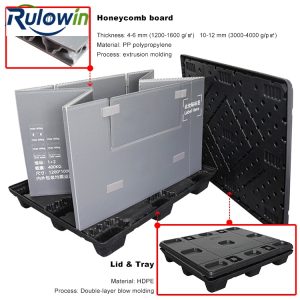
Battery-pack shipments use protective packaging that must now evidence recycled content, a requirement PPWR places on the pack's…
Read more →Many regions already ban single-use produce crates, and PPWR's reuse targets make the reusable alternative not just compliant…
Read more →Vaccine and biologics cold chains use insulated disposable boxes; PPWR's Digital Product Passport now expects those boxes to…
Read more →Cable makers ship on the reels they sell, so under PPWR the reel is not the customer's problem…
Read more →Building-material deliveries arrive wrapped for the worst case, and PPWR's minimisation expectations now let clients question the mountain…
Read more →Chips ship in ultra-clean conductive packaging that is usually single-use; PPWR's passport now asks that the same packaging…
Read more →Fashion's high return rates mean every garment travels in packaging twice, and PPWR's waste-reduction target counts the return…
Read more →Coatings ship in cans inside disposable dividers and wraps that accrue EPR fees the brand rarely recovers, a…
Read more →
Beverage distribution reuses kegs but ships secondary packaging once, and PPWR's reuse targets now ask why the outer…
Read more →Seafood moves in expanded-polystyrene boxes that many regions already restrict, and PPWR's reuse push accelerates the deadline for…
Read more →
Carmakers must declare recycled content across supplied parts, and the packaging tier suppliers ship in often fails that…
Read more →Fragile glass and panels are over-packaged in foam and wood 'just in case', and PPWR's minimisation principle now…
Read more →Electric-vehicle battery cells move in conductive packaging that must be documented for safety; PPWR's passport now requires the…
Read more →Maintenance, repair and operations spare parts arrive in packaging that is discarded at the toolbox, an EPR fee…
Read more →Store replenishment generates constant back-and-forth packaging, and PPWR's waste-reduction targets count the returns side that most retailers ignore.
Read more →Subsea and array cables ship on massive reels that are often scrapped after one pull; PPWR's reuse targets…
Read more →Solar deployments ship fragile modules on wooden frames that are ISPM-15 treated and then scrapped; PPWR's reuse expectations…
Read more →Medical device manufacturers already document devices to the serial; PPWR's Digital Product Passport now expects the same rigour…
Read more →
Flat-pack furniture is engineered to save shipping volume but wrapped in disposable film and corner board that PPWR's…
Read more →Fabric and textile rolls ship on cardboard cores that pick up oil and sizing, rendering them unrecyclable -…
Read more →Chemical distribution moves product in reusable totes already, yet the surrounding packaging is often single-use plastic that accrues…
Read more →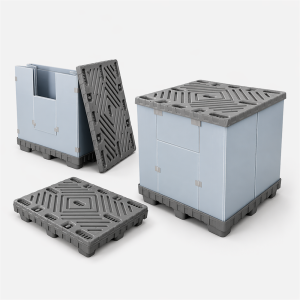
Online retail ships in layered disposable mailers and boxes, and PPWR's packaging-waste reduction targets put that convenience-driven excess…
Read more →Seasonal agriculture buys crates by the truckload for harvest then discards them, a pattern PPWR's reuse targets directly…
Read more →Aerospace maintenance already traces every flight-part; PPWR extends that discipline to the packaging, and MRO shops shipping on…
Read more →Building sites generate staggering packaging offcuts, and PPWR's waste-minimisation expectations now make that visible to clients who score…
Read more →Electronics manufacturing services run on conductive totes, and most are discarded after one program ends - each one…
Read more →Fast-moving consumer goods brands face binding recycled-content minimums, yet the wooden and mixed pallet wraps they ship on…
Read more →Pharmaceutical sample logistics already carries chain-of-custody burden; PPWR's Digital Product Passport extends that logic to the packaging itself,…
Read more →Wire-harness plants burn through disposable reels by the thousand, and PPWR's mandatory reuse targets now turn that habit…
Read more →what lifecycle management means a returnable pp container has a life from purchase to retirement and managing that…
Read more →sample integrity comes first lab samples blood tissue and reagents lose validity if shaken heated or contaminated singleuse…
Read more →start with a pilot not a mandate switching from cardboard to reusable pp is a change program not…
Read more →partitioning protects fragile loads inside a mixed shipment parts rub press and dent each other unless something stands…
Read more →damage is a design outcome product damage on arrival is rarely random it follows from how the item…
Read more →shared packaging builds shared incentive when a buyer and supplier use the same reusable pp containers packaging stops…
Read more →sea freight is harsh a 30 day ocean voyage exposes cargo to humidity above 90 percent salt spray…
Read more →precision parts need precision packaging robotics components servo motors and controller boards carry tight tolerances and staticsensitive electronics…
Read more →the multisite problem when reusable boxes move between plants dcs and suppliers ownership blurs and assets drift a…
Read more →why material choice matters returnable packaging lives for years under load wash and weather so the resin decides…
Read more →hygiene is the first requirement foodgrade ingredients cannot touch packaging that harbours residue or moisture reusable pp containers…
Read more →why drop test reusables a reusable container is dropped not once but hundreds of times across its life…
Read more →packaging as a carbon lever packaging appears small on the bill but large in the footprint when multiplied…
Read more →why small parts need a better box screws fittings and electronic components are easy to lose and quick…
Read more →what esg reporting demands esg and b corp assessments ask for hard numbers on waste emissions and circularity…
Read more →cold chain basics many pharmaceuticals must stay within a narrow temperature band commonly 2 to 8 degrees celsius…
Read more →what modularity means a modular pp system is a small set of standard panels bases and dividers that…
Read more →matching thickness to duty cycle pp sheet ranges from 2 to 10 mm and the right choice depends…
Read more →why agriculture needs reusables seed and fertilizer move through a seasonal weatherexposed chain from plant to coop to…
Read more →the hidden price of damage a damaged shipment triggers more than a replacement unit there is the claim…
Read more →regulatory starting points packaging that may reach households with children or that carries highvalue or regulated contents needs…
Read more →challenges in textile logistics garments and rolled fabric are light bulky and easily creased or soiled cardboard cartons…
Read more →why reusable assets need tracking a reusable pp container only pays back its higher upfront cost if it…
Read more →what freight density measures freight density is the mass of a shipment divided by the volume it occupies…
Read more →surviving rough site conditions construction sites brutalize packaging with dust drops from height and weather that destroys paper…
Read more →why pp honeycomb outperforms mdf and foam board exhibition stands traditionally rely on mediumdensity fibreboard pvc foam and…
Read more →choose the right wash chemistry pp tolerates mild alkaline detergents at ph 8 to 11 and temperatures to…
Read more →the returns tsunami needs reusable answers ecommerce return rates run 20 to 30 percent in apparel and home…
Read more →robots prefer predictable containers automated guided vehicles and robotic arms need dimensional certainty to plan a grasp that…
Read more →why mixed kits need physical separation a kit with 20 part numbers fails if two similar bolts merge…
Read more →eliminating the waste of muda in packaging lean targets the seven wastes and singleuse packaging generates several of…
Read more →mechanical properties side by side virgin pp offers the highest tensile strength and impact resistance of the two…
Read more →ultraclean requirements of wafer transport wafers tolerate particles below 01 micron smaller than a single bacteria cell in…
Read more →hand clearance and grip geometry an ergonomic handle needs a 30 to 35 mm finger slot and a…
Read more →protecting fragile glass under transit shock pv modules combine tempered glass with a brittle cell string vulnerable to…
Read more →stable containers mean stable reads barcode and vision picking depend on a flat consistent surface positioned where the…
Read more →supporting the store replenishment loop retail dcs ship to stores on fixed rhythms which is ideal for returnable…
Read more →why pp outperforms fiberboard in wet duty polypropylene is hydrophobic absorbing less than 01 percent water by weight…
Read more →define the pool boundaries and members a successful pool needs clear membership rules agreed before the first box…
Read more →guarding powder and green parts metal powder and freshly printed green parts are sensitive to moisture and contamination…
Read more →how each structure uses resin a solid pp sheet of 3 mm uses roughly 2700 grams per square…
Read more →the cardboard bottleneck at the dock singleuse packaging arrives gets emptied and piles up at the dock waiting…
Read more →reducing pick errors with visual cues color is the fastest signal the human brain processes which is why…
Read more →matching footprint to racking geometry highrack warehouses punish mismatched footprints with wasted cube and unstable loads that risk…
Read more →protecting highvalue lowvolume components aerospace components such as turbine blades actuators and avionics carry unit values in the…
Read more →identify all cost components on both sides the breakeven math compares the lifetime cost of singleuse packaging against…
Read more →meeting un certification for hazardous goods transporting chemicals demands packaging that passes un performance tests including the drop…
Read more →
what makes the honeycomb core structurally efficient the honeycomb geometry is natures answer to the stiffnesstoweight problem that…
Read more →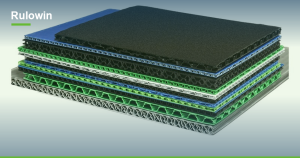
why white goods demand rigid scratchfree protection refrigerators washing machines and ovens ship with glossy surfaces and fragile…
Read more →
map every package entering and leaving your facility a credible reusability audit starts with a complete inventory of…
Read more →
asiapacific manufacturing is the engine room of global industry as production volumes rise and export requirements tighten manufacturers…
Read more →
moving from singleuse to reusable packaging is a capital and operational decision a strong business case aligns finance…
Read more →
outdoor and marine logistics expose packaging to rain humidity salt spray and uv radiation pp packaging resists these…
Read more →
pharmaceutical supply chains require packaging that is clean trackable and compliant with regulatory expectations pp pallet boxes can…
Read more →
extended producer responsibility programs make producers financially responsible for the endoflife management of packaging they place on the…
Read more →
justintime automotive sequencing delivers parts to the assembly line in the exact order they will be installed packaging…
Read more →
both honeycomb and corrugated pp panels are lightweight recyclable and reusable the right choice depends on load type…
Read more →
sustainability reports need credible data reusable packaging programs can supply clear metrics such as reuse cycles avoided singleuse…
Read more →optical lenses precision instruments and sensitive measurement devices require packaging that protects against shock dust and moisture pp…
Read more →
thirdparty logistics providers handle high volumes for multiple customers generating large quantities of disposable packaging waste reusable pp…
Read more →turnover boxes are the workhorses of inplant logistics heavyduty pp versions are used to move parts between processes…
Read more →battery and energy storage systems are subject to strict transport and storage standards packaging must protect against mechanical…
Read more →circular economy targets require keeping materials in use longer and designing out waste reusable pp packaging directly supports…
Read more →moving fresh produce from farm to retail requires packaging that protects ventilates and stacks pp fruit and vegetable…
Read more →reusable packaging becomes more valuable when it is also trackable rfid tags and iot sensors turn containers into…
Read more →export logistics face long distances multiple handlers and customs inspections knockdown bulk containers provide the volume capacity of…
Read more →medical devices often require packaging that can be cleaned validated and traced pp containers can be specified with…
Read more →automated warehouses demand packaging that is dimensionally stable labelfriendly and conveyorcompatible returnable pp boxes can be engineered to…
Read more →plywood has long been the goto material for industrial packaging but when total cost of ownership is calculated…
Read more →scope 3 emissions include all indirect greenhouse gas emissions in a companys value chain packaging may seem small…
Read more →
telecom cable infrastructure spans fiber backhaul 5g fronthaul and lastmile distribution each segment uses different cable lengths and…
Read more →
dunnage is the internal packaging that cradles parts inside a container in automotive assembly poorly designed dunnage causes…
Read more →pp hollow sheets also known as corrugated pp or twinwall pp combine light weight with surprising rigidity their…
Read more →the eu packaging and packaging waste regulation is reshaping what packaging can enter the european market industrial buyers…
Read more →electric vehicle battery modules are heavy energydense and sensitive to shock and temperature packaging must protect against mechanical…
Read more →fresh produce needs packaging that breathes drains stacks and survives cold wet conditions foodgrade pp containers meet all…
Read more →pallet sleeve boxes transform a standard pallet into a highvolume returnable container the four sleeves create rigid sidewalls…
Read more →wooden cable reels have been the default for decades but they bring splinters moisture absorption and ispm15 treatment…
Read more →air freight is billed by chargeable weight so every kilogram saved in packaging is a kilogram saved in…
Read more →automotive supply chains move at line speed packaging delays translate directly into production stoppage which is why tier…
Read more →A decision framework and product matrix to match Rulowin reusable PP packaging — sheets, boxes, sleeves, spools —…
Read more →EU PPWR reuse targets and EPR fees make reusable PP packaging a compliance advantage — all-plastic builds are…
Read more →A total cost of ownership view shows reusable PP packaging converts OPEX to CAPEX and typically pays back…
Read more →Rulowin's reusable PP peel spools unroll wire, cable and hose without cutting and replace disposable cardboard cores for…
Read more →Standardised reusable turnover boxes bring lean part flow, kitting and stack-nest efficiency to automotive and electronics assembly lines.
Read more →Ventilated, washable PP corrugated fruit and veg boxes extend cold-chain shelf life and replace waxed fibreboard without food-safety…
Read more →Reusable ESD-safe PP corrugated boxes protect SMT and PCB handling from static damage while enabling lean, traceable part…
Read more →Foldable, steel-reinforced PP pallet sleeve boxes cut reverse-logistics cost up to 80% while stacking ~1.5 t in closed-loop…
Read more →PP honeycomb panels deliver a high strength-to-weight ratio to replace plywood and metal in returnable dunnage — no…
Read more →Lightweight, waterproof and 100% recyclable, PP corrugated sheet replaces cardboard across dividers, totes, layer pads and boxes.
Read more →Why smart warehouses invest in heavy-duty foldable honeycomb box assets: 1.5-ton steel-reinforced stacking, 80% lower reverse logistics costs,…
Read more →How returnable packaging protects fragile high-value automotive parts: edge-sealed hygienic panels, steel-reinforced stacking, ESD safety, and full EU…
Read more →
A practical carbon neutrality roadmap for EU exporters: how returnable packaging cuts Scope 3 emissions, avoids EPR and…
Read more →Learn the material science behind PP honeycomb panel lightweighting, and how switching from wood crates to reusable polypropylene…
Read more →
Discover why reusable plastic packaging is naturally ISPM 15 exempt, how it cuts cross-border logistics costs by up…
Read more →