
A first order from a new supplier takes longer than a repeat order from an existing one, and the extra time is mostly yours rather than theirs. Four phases, and the one that slips is almost always the second.
Phase one: enquiry to quote
Short if the enquiry is complete. A well-specified RFQ gets a quote in days; a thin one generates a fortnight of clarification emails. The delay here is self-inflicted and it is the easiest to remove.
Getting three comparable quotes at this stage is worth the week it costs, because it is also the qualification step.
Phase two: sample and approval
Sample production, transit, then your evaluation. This is the phase that slips, and it slips on your side – the sample arrives, sits on someone’s desk, and gets approved three weeks later.
Decide in advance who approves, on what criteria, and by when. Then test it properly: load it, drop it, leave it in the conditions it will see. Fifteen minutes of deliberate misuse tells you more than a week of looking at it.
Phase three: tooling and production
Only if the item is custom. Tooling design, cutting, trial shots, first-article approval. This is the longest phase for a custom item and it is worth starting as early as possible – the sample approval in phase two is often its gate.
Ask whether any tooling work can begin before final approval. Frequently some can, and it is worth two weeks.
Phase four: production, consolidation, transit
The run itself, getting to port, waiting for a container if shared, then the sea leg and clearance. The transit component is fixed; the consolidation wait is variable and worth asking about.
What to do in parallel
Qualify while you wait. Documentation, material declarations, whatever you will need to evidence downstream – collect it during the sample phase rather than after the first delivery, when it becomes urgent.
And plan the receiving end. Where the container goes, who unloads, what the inspection is. A delivery that arrives to nowhere to put it is a self-inflicted problem that has nothing to do with the supplier.
What to tell your stakeholders
Give the breakdown rather than a single date, and mark which parts are yours. A date that assumes instant approvals is a date that will slip, and it is better to say so at the start than to explain it later.
What to have ready before you start
The approval criteria, written down. What the sample has to do to pass – a dimension, a load, a fit – and who decides. Writing it first turns a three-week approval into two days, and it stops the argument about whether the sample was actually acceptable.
The receiving plan too. Where the container goes, who unloads it, what gets inspected and what the inspection is against. A delivery that arrives to no plan is a delay you caused, and it is common on first orders.
How much contingency
Add a margin to the phases that are not yours – transit and consolidation – and hold your own phases to the plan. Contingency applied uniformly hides where the risk actually is; applied to the transit leg it is honest.
And tell stakeholders the breakdown. A single date that assumes everything goes well is a commitment you will break, and it is better to show the phases up front.
What we can do
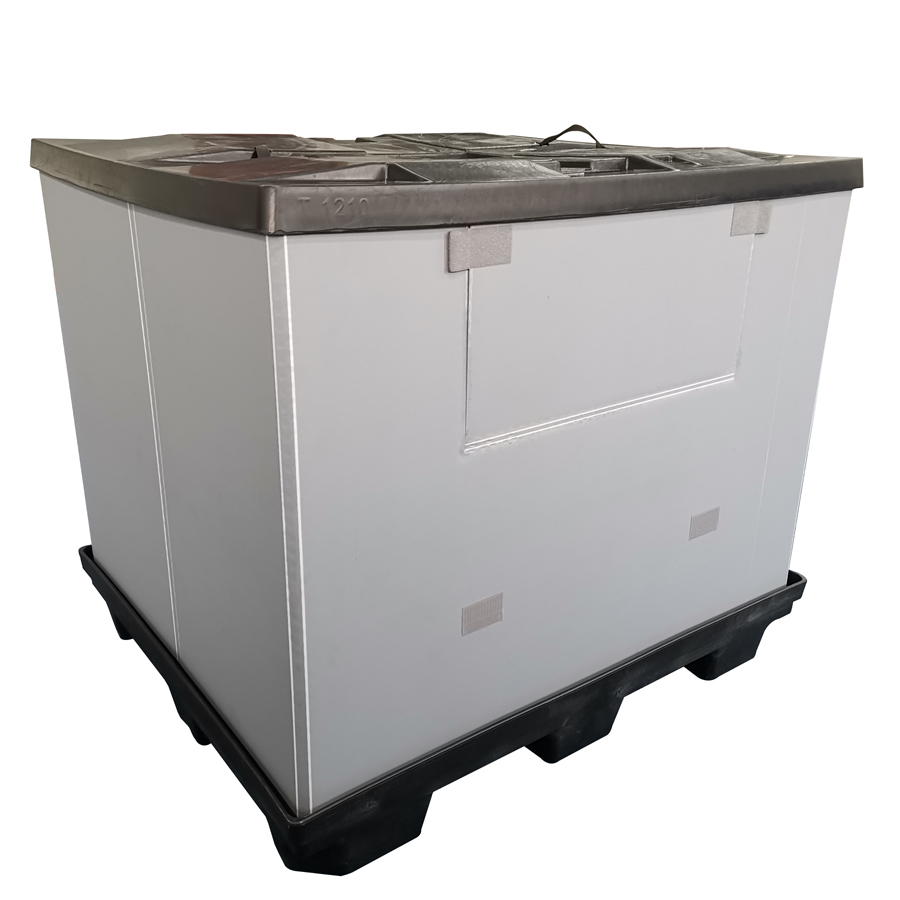
We supply pallet sleeve boxes for supply and logistics and give a phased timeline with the first order, marking which steps need you. Tell us your deadline and we will tell you what is realistic – including when it is not achievable.