
A minimum order quantity is rarely arbitrary. It is a fixed cost expressed as a number of units, and once you know that, negotiation becomes a conversation about who carries the cost rather than about the number itself.
What the minimum is covering
Setup: the tool has to be fitted, the process brought to stability, and the first output is scrap or near-scrap. That cost is the same whether you make five hundred or fifty thousand, so on a short run it dominates the unit price – and the minimum exists to keep the unit price sane.
Tooling, where applicable, is the same logic with a much larger number.
Lever one: offer to pay the setup
If the supplier’s objection is that a short run loses money, offer to cover it. A setup charge that brings the minimum down by half is often excellent value – you pay a little more per unit and tie up far less cash and storage.
Ask what the setup cost actually is. Many suppliers have never been asked and will tell you.
Lever two: commit to annual volume
The minimum on one order is much more flexible if the annual volume is real. A supplier can afford to lose money on an opening order that leads to steady repeat business, and they will say so if you give them the number.
This is the most effective lever available and it costs nothing except being accurate about your forecast. Being optimistic is worse than not offering it.
Lever three: take a standard item
If what you need is close to something they already make, the minimum usually does not apply at all. Worth checking the standard range before negotiating at all – a standard size that fits is cheaper than a custom one you negotiated well.
And the middle route: an existing tool, modified. Different vent pattern, different bore, different handle – these are edits rather than new tooling and the minimum drops accordingly.
What does not work
Asking for a lower minimum without offering anything. And threatening to go elsewhere over a quantity – if the supplier’s number is honest, another supplier’s will be similar, because the same fixed costs exist.
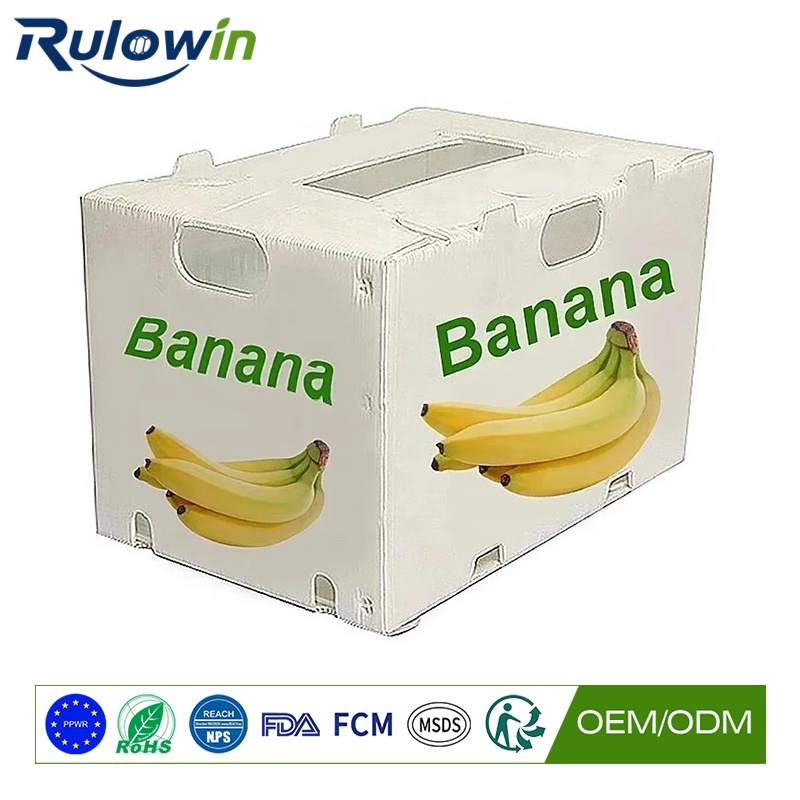
Thresholds and what drives them are set out in what the MOQ is for custom PP crates.
What to say, concretely
Not “can you do a lower minimum”. Say: our annual volume is X, the first order would be Y, and we would like to know what is possible if we commit to the annual figure. That gives the supplier something to work with and it is the version that gets a yes.
Then ask what the setup cost is. If the objection is a loss on a short run, offering to cover it converts the conversation from a favour into a transaction, and suppliers respond much better to the second.
When to accept the minimum
If the item is cheap, stores indefinitely, and you will definitely use it, taking the minimum is often better than negotiating it down – the storage cost is usually less than the setup premium you would pay to order fewer.
Run that comparison before negotiating. Packaging stores unusually well, and the answer is frequently that the minimum quantity is fine.
What we can do
We make PP crates for fruit and vegetables and will tell you what our minimum is covering. Tell us your annual volume and how close a standard item would come, and we will find the arrangement that costs you less – including telling you when to buy standard.