
Stairs are punished in a way floors are not. Every load lands on an edge rather than a surface, materials are carried rather than wheeled, and the stringer takes contact along its whole length from whatever is being moved past. A staircase retrofit is also slow and disruptive, so preventing damage pays unusually well.
Where stair damage concentrates
The nosing takes the first hit and fails first, followed by the stringer face at hand height and the return at the landing. Once a nosing is chipped the whole tread usually needs attention rather than a patch, because the repair line is visible from the flight below.
Rigid versus flexible protection
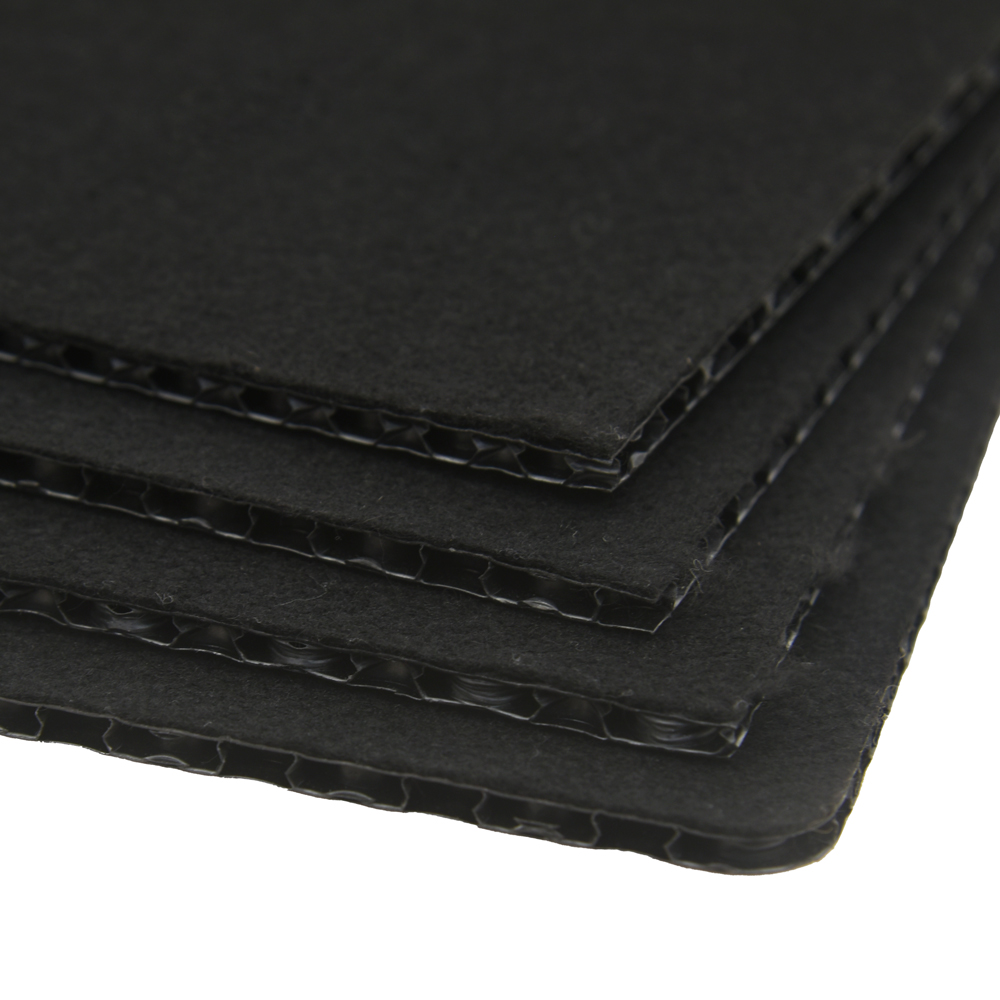
Flexible rolled protection conforms to the tread but offers very little against point loads and tends to creep under foot traffic, which exposes the nosing anyway. Rigid panels spread impact along their length and hold their position, which matters on long flights. The trade-off is fabrication: a panel has to be cut and folded or mitred for the tread and riser, which costs more to make and more to install.
Fixing, carefully
Stair protection that relies on adhesive risks pulling the finish off a stone or timber tread, and mechanical fixings into a concrete stair leave holes that must be made good. Where the stair is finished, compression-fitted protection or low-tack systems are safer. Test on one tread before committing to a whole flight, and record the result.
Trip hazards and handrails
Anything that raises the tread surface changes the going and can create a stumble risk, particularly on existing stairs that are already marginal. Keep added thickness low and consistent, and be aware that adding anything underfoot can affect whether the stair complies as built. Where there is any doubt, involve the designer rather than deciding on site.
Sequencing with handrails
Protection usually has to be fitted around new or retained handrails and balustrades, and the two trades get in each other’s way. Agree the order: generally protect the tread first, let the balustrade fix through or beside it, then complete the stringer protection last.
When to leave stairs alone
On very short packages with light foot traffic, a sacrificial stair covering may cost less than a fabricated reusable option, and there is no point protecting a stair that is scheduled for replacement anyway. We say this regularly – the reusable case depends on the programme, not the product. The phased thinking in why protection fails after installation applies here as well.
Measure before ordering
Stair dimensions vary more than drawings suggest. Tread going, riser height and any taper across the width should be measured on site at several points, because old stairs are rarely consistent and the bottom step frequently differs from the rest. Templating one flight with cardboard is quicker than arguing about whether the delivered panels fit.
Record what you measured and keep it with the order. Repeat phases and later projects on the same building can then reuse both the template and the panels, which is where reusable stair protection starts to pay properly rather than marginally.
What we can do
We fabricate PP honeycomb stair protection as treads, risers and stringer strips to your dimensions. Send the stair section and finish type and we will quote a fabricated reusable set or tell you plainly if we think sacrificial covering is the better buy.