
Door frames absorb an astonishing amount of abuse once a building is being fitted out. Everything that goes through a doorway eventually swings into the frame, including materials wider than the opening. Frame damage is also disproportionately annoying: replacing a frame means making good plasterwork both sides, decorating, and often re-hanging the door.
Why typical protection falls off
Frame protectors are usually taped or clipped on. Adhesive tape fails on dusty or painted metal quickly. Clip-on guards need a rebate to grip and fall off clean-faced profiles. Anything secured with a single fixing rotates out of position after a couple of impacts. Fit and forget does not exist here – the question is how often something needs re-attaching.
Match the method to the frame
Timber frames take staples or small pins and making-good is easy. Steel frames need either a magnetic or friction solution or protection that is part of the door set, because drilling into a fire-rated steel frame can invalidate its certification. Aluminium and powder-coated frames sit somewhere in between and dislike aggressive adhesive. Identify the frame types before specifying, not after.
Reveals need a different approach
The reveal – the return either side of the opening – gets hit at corners by materials carried through. It is shallow, awkward to protect and easy to overlook. A mitred return in sheet material or a simple corner angle running the full height handles most of it and is usually cheaper than the damage it prevents.
Clear opening width matters
Protection reduces the clear opening, and on accessible routes and fire doors there may be a minimum effective width. Adding ten millimetres each side to a compliant door can quietly make it non-compliant. Where the opening is tight, protect above the impact zone or use a low-profile solution rather than reducing width.
Fire doors and certification
Fitting anything to a fire door or its frame risks affecting certification, and intumescent strips and smoke seals must not be covered. Where protection is needed on a certified doorset, get the door supplier’s written agreement to the method. This is not a box-ticking exercise; it is what gets checked at sign-off. The same caution about documentary evidence is discussed in audit documentation.
Who puts it right afterwards
Fixing marks left by protection is rarely in anyone’s scope. Pin holes in timber need filling; scratches in powder coating usually need the frame replacing; adhesive on stainless is a cleaning job that may not fully work. Establish before installation which package absorbs making-good, and write it down.
Where several trades share doorways, add a standing instruction that anybody removing protection reinstates it within the shift. Most frame damage happens in the window between removal and reinstatement, not while protection is in place.
A note on repeated removal
Frames near the main material route get their protection removed and refitted constantly. Anything reliant on fresh adhesion each time will fail by the third cycle. Choose a method that tolerates re-fitting – mechanical, friction or magnetic – or accept replacing the guard rather than reinstating it, and order accordingly.
What we can do
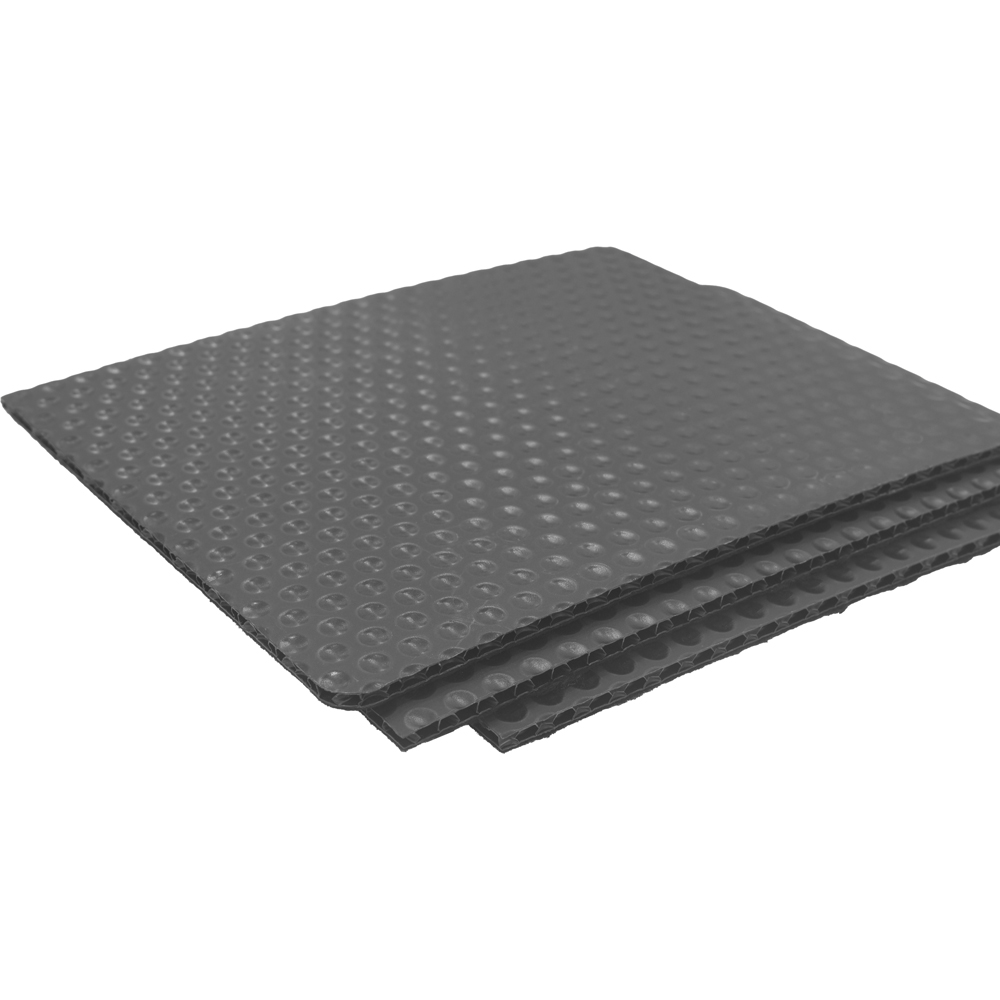
We cut PP honeycomb panels into frame guards and reveal angles to suit your profiles. Send the frame material, the opening width and whether the doorset is fire certified, and we will suggest a fixing method – or tell you to speak to the door supplier first, which is sometimes the right answer.