
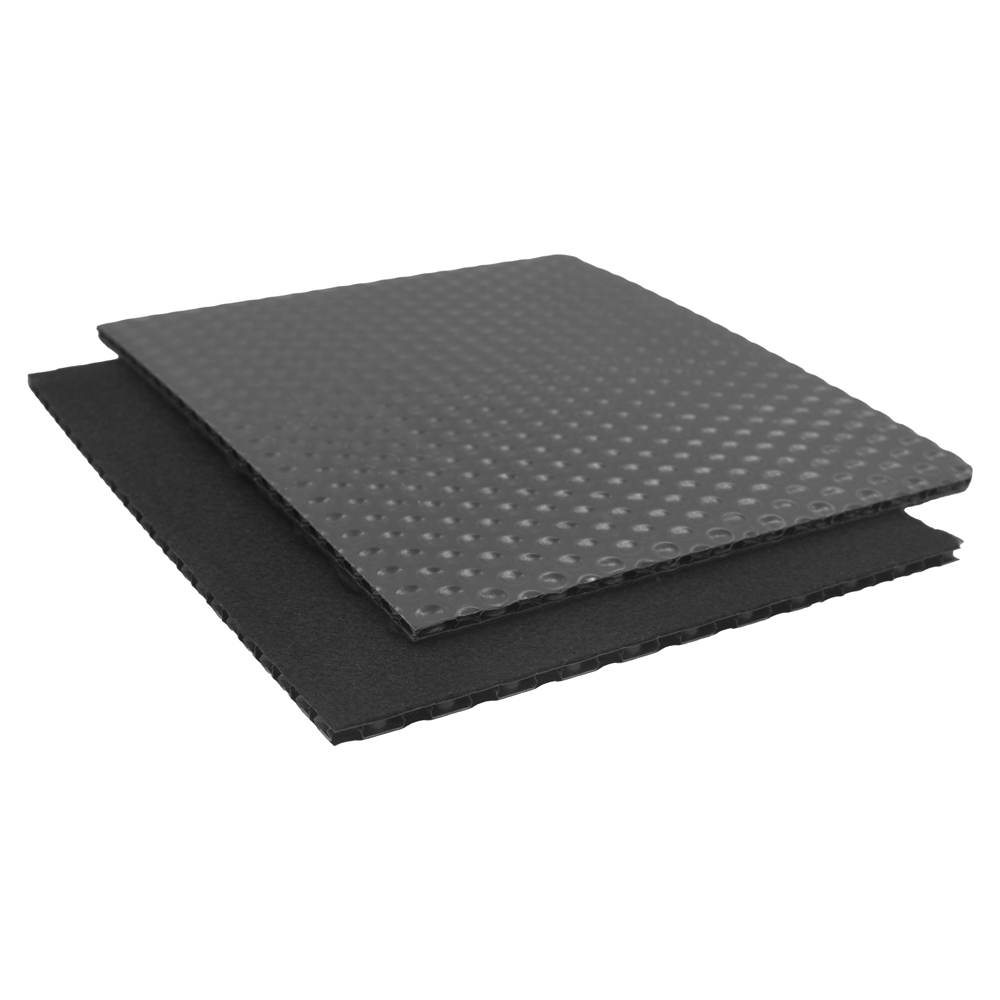
Polypropylene is a petrochemical product and its price moves with feedstock costs. On a short order that is invisible. On a two-year framework it is the difference between a workable agreement and one that gets renegotiated, and it is worth agreeing how it will be handled at the start.
Why the price moves
Polymer prices track naphtha and propylene, which track oil. The movement is usually modest month to month and can be significant over a year. It is not the supplier being difficult; it is a commodity input in a converted product, and any supplier quoting a fixed price for two years is either absorbing risk or has built a margin for it.
How it is usually handled
Three ways. Fixed for the period, with the supplier carrying the risk and pricing it in. Fixed with a review at defined intervals. Or indexed, with the price moving against a stated feedstock measure. Each is defensible; the one to avoid is a vague “subject to raw material costs” with no mechanism, because that is an argument waiting to happen.
What to ask
How long the quoted price is valid, what happens if it needs to change, and whether there is notice. Three questions at the point of order. On a framework, ask for the review mechanism in writing and for the index if one is used.
What else moves the price
Freight more than resin on small orders, because board is bulky. And exchange rate on imported product, which is often larger than the resin movement over a year. Worth asking which of the three is the bigger exposure on your particular order.
What to do about it
For a short order, fix the price and move on. For a long programme, agree a review mechanism and notice period. For a critical programme, consider buying a phase or two ahead where storage allows – the cheapest hedge is usually having the board on the shelf.
What to do if the price does move
Ask what is driving it before accepting it. A resin-driven increase is legitimate and usually small; a freight or currency-driven one is often larger and sometimes avoidable by changing the delivery pattern. A supplier who can break the movement into its components is a supplier who is being honest about it – and the split usually points at where the saving is available.
How resin movement reaches your price
Polypropylene is a oil-derived polymer, so panel prices follow resin with a lag of roughly one to three months. A quotation held open for ninety days carries that risk, and the way suppliers handle it varies: some fix the price and absorb the movement, some quote with a resin adjustment clause, and some quietly requote after the hold period expires.
Ask which of the three you are getting before you build the number into a tender. A fixed price on a long programme is worth something even if it is slightly higher, because an adjustment clause you did not price for is a variation you cannot pass on. Where volume is agreed in advance, the commercial mechanism described in terms, rebates and framework agreements for protection board is where the escalation wording belongs – not in an email after the order.
What we can do
We quote PP honeycomb protection board with a stated validity and, on frameworks, an agreed review mechanism rather than an open clause. Tell us the programme length and volume, and we will set out how the price is held and what would change it.