
Nobody specifies a die-cut dimension without a tolerance any more, and nobody reads the tolerance either. It gets copied from the previous drawing, the part goes into production, and one day the parts stop dropping into their pockets. Then the argument starts about whether the cutting was wrong.
The slip not in the tooling
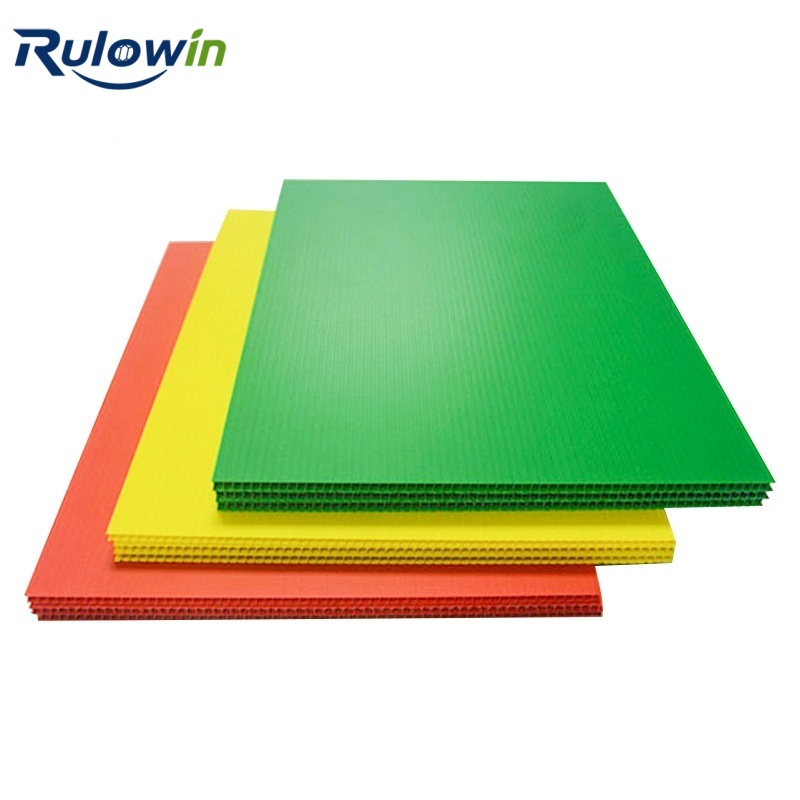
A steel rule die in good condition holds its profile well. What moves is the material. Corrugated polypropylene sheet varies in thickness across a sheet and between batches, and the sheet flexes as the blank is stripped from the die. On a blank with several features close together, those small movements do not cancel – they accumulate in one direction.
So the first thing to check when fit goes wrong is not the die. It is whether the incoming sheet is at the same thickness it was when the tooling was proved out. A switch to a lighter gram weight for cost reasons has caused more tray-fit complaints than any amount of tool wear.
Where the tolerance should go
Tolerances on external dimensions are cheap to hold. Tolerances on internal features – slots, pockets, tabs – cost real money, because they depend on how the material behaves during cutting and stripping rather than just where the blade sits.
The practical move is to be generous on everything structural and tight only on the handful of features that actually locate a part. Marking those features on the drawing makes the conversation with the converter short. This is the same principle we described for assembly tolerances on fabricated panels.
Rule height, blade condition and the first thousand parts
A worn blade does not cut clean; it tears, and the torn edge is slightly larger than the intended line and slightly fuzzy. On a stacking feature that fuzz matters more than the dimension does, because it stops parts seating fully and the stack grows taller than specified.
Converters usually get this right and then keep the die running far past its sensible life. Ask when the blade was last changed, not whether the machine is calibrated.
Check the part, not the drawing
Parts should be checked in the position they are used. A tray that measures correct flat on a bench can be distorted enough once loaded to change pocket geometry, particularly if it has been sitting stacked for a week and taken a set.
The single most useful first-article activity is loading real parts into a real tray, not measuring the tray. We said something similar about spools in first article inspection, and the logic transfers unchanged.
What tolerance is actually achievable
For die-cut corrugated PP, expecting anything tighter than roughly a millimetre to a millimetre and a half on a feature spanning a few hundred millimetres is optimistic, and holding it will cost you disproportionately. If the application genuinely needs hundredths, you are describing an injection moulding, and no amount of effort at the cutting press gets you there.
Guard against cumulative stack
Individual features within tolerance can still produce an assembly that is not. Ten pockets each drifting the same way gives a cumulative problem that every individual measurement said was fine. Specify the relationship you care about – pitch across ten pockets, not pocket width – and the converter can control the thing that matters.
What we can do
We cut corrugated PP sheet parts and will tell you which of your tolerances are free and which are expensive before you commit to tooling. Send the drawing with every tolerance marked and we will come back with the two or three that will drive cost – and if a feature you need is beyond what cutting can hold, we will say so rather than quote it.