
Stretch wrap is the default because it is fast, cheap per pallet and requires no thought. It is also a large and growing consumable cost, it is increasingly regulated, and it does very little for loads that are genuinely unstable. Alternatives exist and some of them are better, but wrap is right for a lot of pallets and it is worth saying so first.
What wrap actually does
It holds the load together and it holds the load to the pallet. Those are two jobs. Wrap does the first reasonably well and the second poorly – a wrapped pallet can still slide on the pallet deck if the base course is smooth.
Understanding which of the two you are solving is the whole analysis. A load of uniform cartons needs the first. A load of smooth-bottomed bags needs the second, and wrap is the wrong tool for it.
Anti-slip, which is the cheapest fix
An anti-slip sheet between layers, or between the load and the pallet, dramatically improves stability for a few pence. For bagged and boxed goods with smooth surfaces it is the single highest-value intervention available, and it works with less wrap rather than instead of it.
If you have not tried it, try it. It is the change most likely to let you reduce wrap without any loss of stability.
Top caps and layer sheets
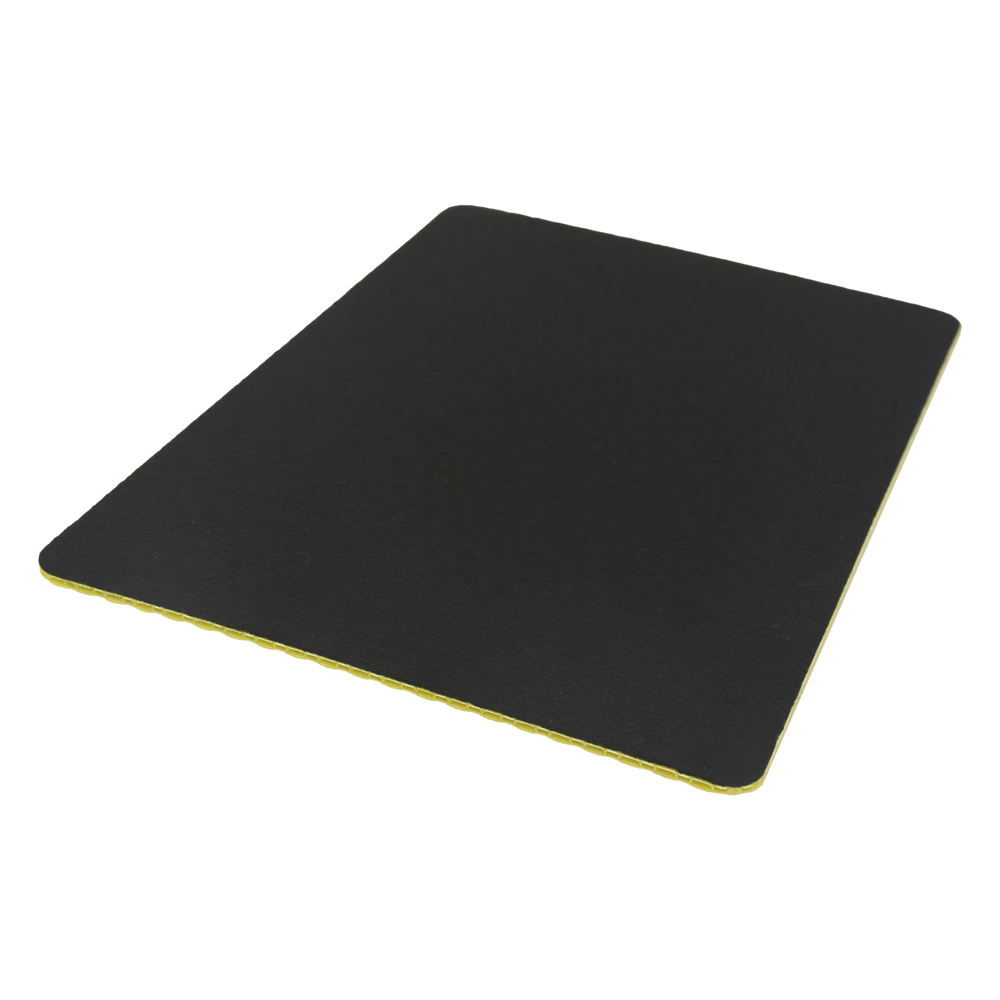
A sheet on top of the load, held by strapping rather than wrap, does what the top few turns of wrap do – ties the top course to the rest. A honeycomb or corrugated cap is stiffer than any amount of film and it protects the top course from strapping damage at the same time.
Layer sheets between courses do the same through the height of the load. On a tall pallet of boxes this is materially more stable than wrap, because wrap only constrains the outside.
Strapping, and where it beats wrap
Strapping constrains in one direction at a time and it is much stronger than film in that direction. For a load that needs to be tied down to the pallet – heavy, dense, prone to shifting – strapping over a cap with edge protectors is the correct answer and wrap is not.
The cost is time. Strapping is slower than wrapping, and on a high-throughput line that matters. Most operations that switch do a hybrid: less wrap for containment, strapping for the vertical tie-down.
Where wrap still wins
Irregular loads, mixed pallets, and anything where the shape changes day to day. A reusable system needs a repeatable load. If yours is not repeatable, wrap is the flexible answer and no amount of alternatives changes that.
Also for dust and moisture protection, where nothing else gives a continuous barrier at the price.
What to try first
Before changing anything, reduce wrap by a third on a few pallets and see whether anything moves. Most pallets are over-wrapped, and the reduction is free.
Then add an anti-slip sheet between the pallet and the bottom course, and between courses if the load is tall. That is the cheapest intervention with the largest effect, and it usually allows a further reduction in wrap.
Only then consider caps and strapping, which cost more and take longer. Most operations never need to go that far, and the ones that do usually have a specific load that justifies it.
What we can do
We supply PP honeycomb panels for top caps and layer sheets and will tell you honestly whether your load suits a cap-and-strap configuration. Send us a photograph of a wrapped pallet and what is on it, and we will say whether you can use less wrap – including when you cannot.