
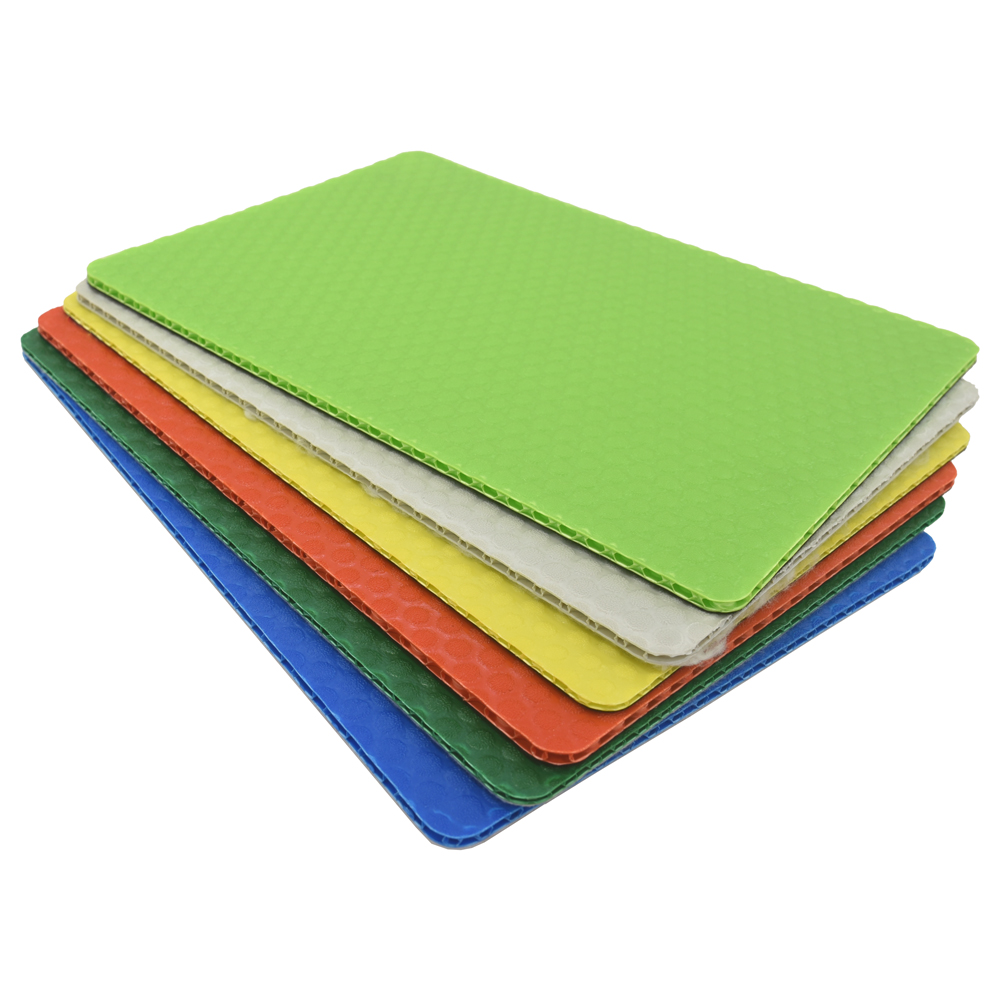
Dunnage is the material that stops parts touching each other in transit. Most of it is single-use – corrugated dividers, foam, moulded pulp – and in an open loop there is nothing wrong with that. In a closed loop between your own sites, single-use dunnage is a cost you have chosen to pay forever, and it is usually one of the easiest to remove.
Why closed loops are the easy case
The hard part of any returnable system is getting the empties back. In a closed loop – plant to plant, plant to warehouse, warehouse to line – the return leg already exists because the parts are going back and forth anyway. The dunnage rides along.
That removes the objection that kills most returnable proposals. If you have a closed lane, the economics almost always favour reusable, and the only real question is what form.
What reusable dunnage has to do
Separate parts without marking them. Polypropylene is softer than most metals and harder than most foams – it sits in a useful middle. It does not shed fibre the way corrugated does, which matters in paint and assembly environments where lint is a defect.
Hold its shape wet. A corrugated divider that gets damp loses stiffness within hours; polypropylene does not care. And survive being handled hundreds of times, which is the whole point.
Where single-use is still right
One-way lanes, obviously. Also anything contaminated – a divider that has been in contact with oil or coolant is a disposal item, and washing it costs more than replacing it. And very low-volume parts where the reusable fixture would sit idle for months.
There is also a genuine point about complexity. A reusable system needs tracking, or the dunnage leaves. If your operation has no way to track it, single-use is honest and reusable is aspirational.
Designing the fixture
The mistake is designing for the part rather than for the handling. A fixture that holds a part perfectly but takes ninety seconds to load will be bypassed by the line within a week. Design for the motion the operator actually makes.
Second mistake: pockets sized exactly to the part. Nothing loads into a pocket with zero clearance. A few millimetres of slack doubles the loading speed and costs nothing in protection for most parts.
Counting, which is what makes it work
A reusable dunnage programme without counting is a programme that slowly empties. Fixtures leave in a stillage, get used for something else, or end up at the wrong site. Nobody notices until there is a shortage.
The minimum viable approach is a count at goods-out and goods-in at each end of the lane – a tally on a sheet, not a system. It takes seconds per shipment and it makes the loss visible while it is still small.
Where the volume justifies it, a simple identification on each fixture – moulded or embossed, because printed wears off – lets you attribute the loss to a specific site and have a specific conversation.
What we can do
We supply automotive honeycomb dunnage for line-side and inter-plant loops, cut and assembled to your part geometry. Tell us the part, the lane and how it is handled at each end, and we will design the fixture – including telling you when single-use is genuinely the better answer.