
An appliance plant combines two awkward things: very heavy, small-footed products, and a floor that is coated and expected to look presentable. Fridges, cookers and washing machines move on skids and conveyors during manufacture and on dollies during re-fit, and every one of those is a concentrated load on a coated surface.
What damages the floor
Three mechanisms. Skid and dolly feet under static load, which dents a coating over days. Dragging, which scrubs and cuts rather than rolls. And dropped components – a door, a panel, a compressor – which are heavy and sharp-cornered. Protection has to handle all three, which means stiffness for the load, a hard wearing face for the scrub and enough depth for the impact.
Why coating matters more than concrete
A bare concrete floor shrugs off a dropped component. A coated floor does not: the coating is a thin film on top of the concrete and impact cracks or delaminates it, and a delaminated patch lets moisture in and spreads. That is the reason protection gets specified in appliance plants at all, and it means impact resistance ranks above abrasion resistance here – the opposite of a lot of industrial floors.
Ordering for a production environment
Appliance plants usually want protection held in stock rather than ordered per job, because line changes and re-fits happen on short notice. That argues for a standard size kept on the shelf and a simple reorder, rather than a bespoke cut for each event. Where a specific area needs shaped panels, those get ordered separately against a drawing.
What to say on the enquiry
Floor coating type, heaviest item and how it moves, and whether the area stays in production. Those three answers decide grade, thickness and face. Anything more detailed than that can wait; anything less means the quote is a guess.
Where protection is not needed
In the raw material store, in the despatch area with a bare floor, and anywhere the units are still on their original skids and the floor is structural. Protecting an appliance plant floor plate end to end is not usually justified – it is the assembly and finishing areas with coated floors that need it.
Finished goods areas
The despatch and finished goods area is where appliance plants most often get it wrong. Units are staged there on their skids, the floor is coated and client-visible on visits, and the traffic is constant. A load-spreading board under the staging lanes, rather than across the whole area, is the proportionate answer.
Finished goods moving past unfinished work
An appliance plant has a specific problem: production rarely stops for building work, so protection has to separate a construction zone from a live production and despatch route carrying finished goods with cosmetic surfaces. A scratch on a painted panel or a dented door is a rejected unit, and the cost sits with whoever was working nearby.
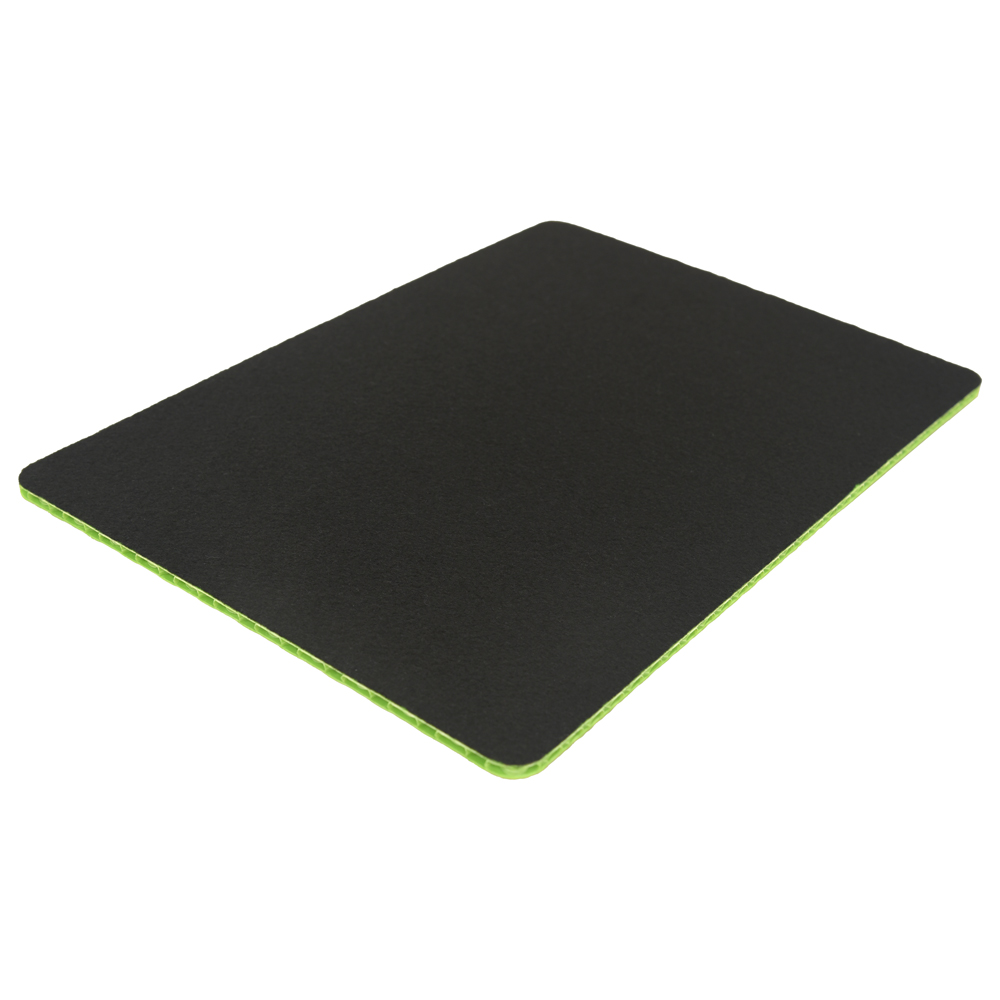
The protection has to survive forklift traffic, be quick to put up and take down, and be visible enough that nobody mistakes the boundary. Colour does that job better than signage – a blue or yellow panel reads as a barrier, a grey one does not. Panels also need to be stiff enough to stand as a temporary screen, not just lie flat, which usually means a thicker grade than floor protection needs. We supply panels in stock colours so a protection zone can be separated from a traffic route at a glance. The zone marking is described in labelling and colour coding protection zones.
What we can do
We supply PP honeycomb protection board in an impact grade for assembly areas, in stock sizes for holding on site. Tell us the heaviest item, how it moves and what the coating is, and we will recommend a grade – including telling you when the existing floor will cope without anything under it. Point load behaviour is explained in honeycomb panels under heavy point loads.