
The Real Risk to Existing Rooms Adjoining The Works
Before a single tool comes out during a house extension, the smartest crews walk the route and cover what matters. Existing rooms adjoining the works are high on that list because they are costly to put right and quick to mark.
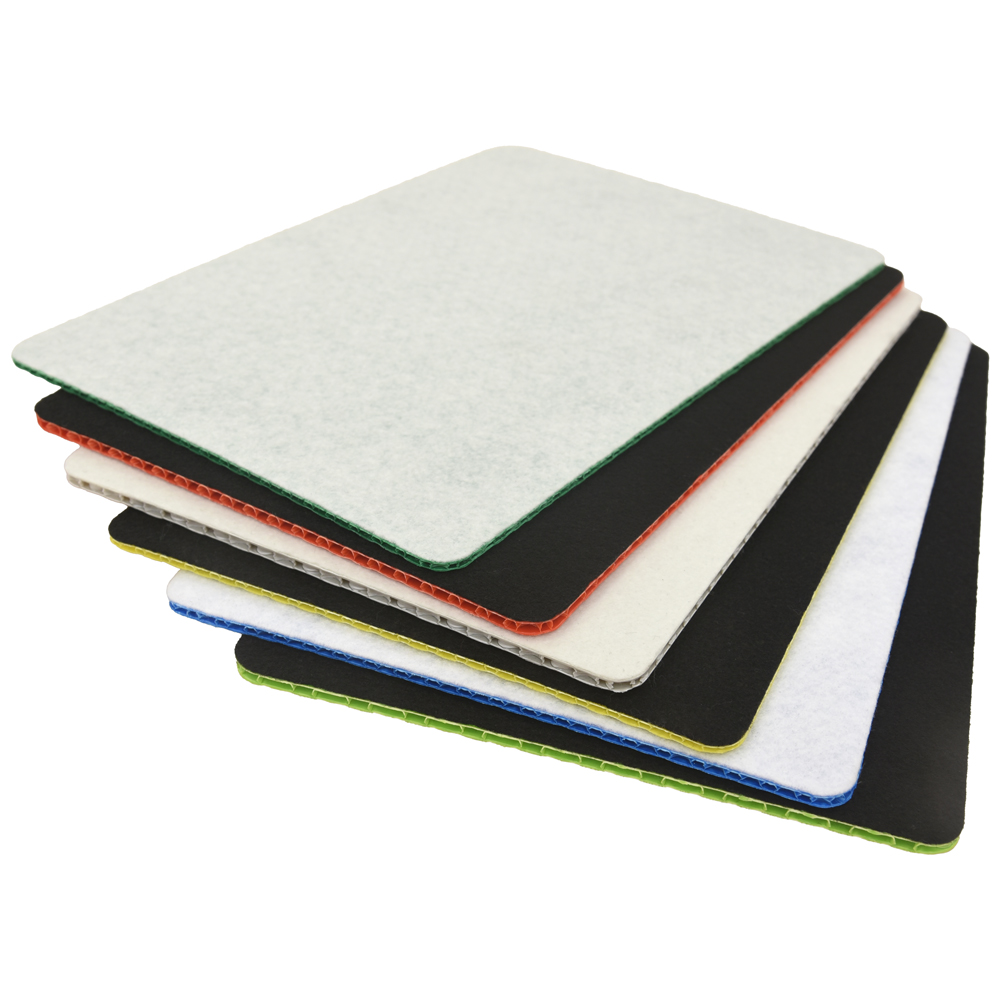
The moment the breakthrough happens, site traffic floods the finished house, and left unguarded they quickly pick up breakthrough dust, muddy boot traffic, material deliveries through the house. A purpose-made rigid PP honeycomb sheet spreads point loads across its rigid cellular core, shrugs off knocks, and keeps what is underneath looking exactly as it did before work started.
Installing the Cover Correctly
Follow this straightforward sequence for reliable, gap-free cover:
- lay a rigid runway from door to opening
- cover adjoining finished floors
- tape joins against dust
- renew the route cover weekly
Real-World Applications
You will see this method earning its keep across rear extensions, side-return extensions, and wrap-around builds. The principle never changes: get a rigid, well-fitted cover down early, keep the joins taped, and leave it in place until the messy work is genuinely finished.
Why the Right Board Makes the Difference
The reason professionals reach for polypropylene honeycomb sheet comes down to physics. The honeycomb core behaves like thousands of tiny columns, spreading a concentrated blow — say from breakthrough dust — across a wide area so the finish underneath never feels it.
Boards can be trimmed to size on site with a standard blade, taped at the seams, and lifted just as fast when the work is done — no specialist kit required.
Choosing the Right Protection Board
From one-off renovations to rolling multi-site programmes, Rulowin provides twin-wall PP honeycomb board tailored to the task — customizable in size, thickness, and surface layer. Get in touch for pricing or a sample to test on your next project.