
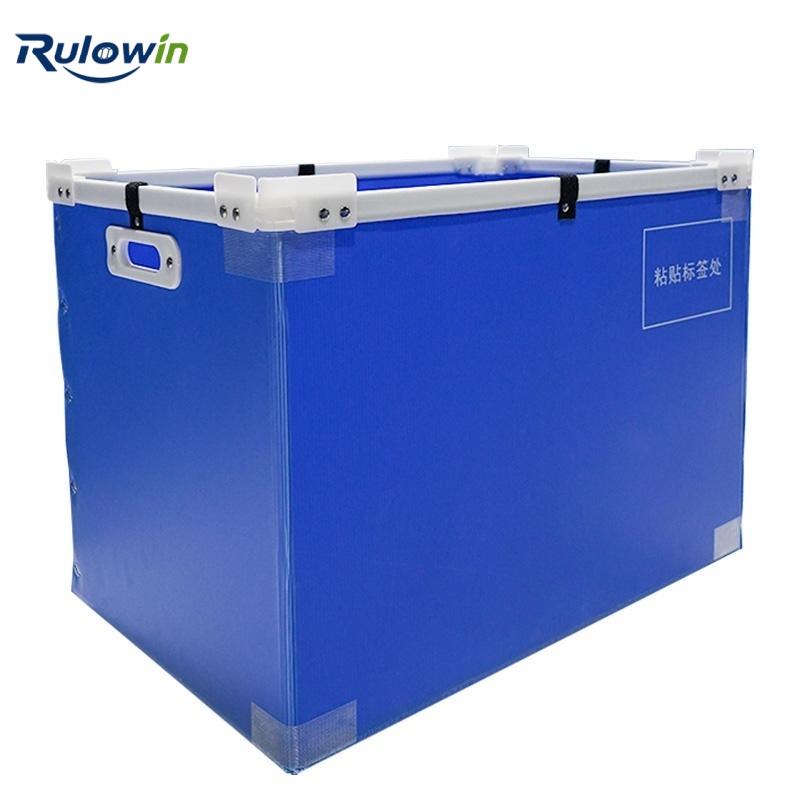
A container bought for a closed loop is not packaging in the usual sense. It is an asset: it has a purchase price, a service life, a maintenance cost and a residual value, and it can be lost. Where a fleet is managed as a consumable – bought when someone notices a shortage – it is consistently undersized and nobody can say why.
What changes when it is an asset
It gets counted, depreciated, maintained and replaced on a plan. Those four things are what differentiate an asset from a consumable, and all four are cheap relative to the cost of not doing them. Where a fleet has never been counted, the first count is usually a surprise, and the direction of the surprise is nearly always the same.
What a fleet is worth
The container count multiplied by the unit cost, which for a mid-sized fleet is a number large enough to appear on a balance sheet. Where an organisation would not dream of leaving that value in untracked stock of any other kind, it routinely does so with containers – because they are everywhere, they move constantly, and nobody owns them.
Who owns them
The single most common reason a fleet is mismanaged is that no single person or function owns it. Operations uses them, procurement buys them, and finance does not know they exist. Assigning ownership – a named role rather than a department – is the cheapest single intervention available and it is usually the one that gets skipped.
What to record
Quantity by type, quantity by location, date of purchase by batch, retirements with reasons, and repairs. Five things, and the last two are what produce the forecast. Where a fleet has a spreadsheet with the first three, it is being managed; where it has none of them, it is being guessed at.
Where the containers actually are
On site, in transit, at a customer, at a supplier, in a wash, in repair, and in storage – and the count has to include all seven. Where a fleet is counted on site only, the count is low by however much is elsewhere, which on a long lane can be the majority of the fleet. The categories are set out in where containers actually go missing.
Depreciation and the replacement budget
A fleet depreciates as containers are lost and retired, and the replacement budget is the depreciation plus any growth. Where a fleet is expensed as a consumable, there is no replacement budget and the fleet is replenished reactively – usually after a shortage has already affected production. Treating the fleet as an asset produces a budget that prevents that.
What good management looks like
A count that is reconciled periodically, a named owner, a recorded retirement rate, a replacement forecast, and a specification that reflects what the retirement data says. None of those are expensive, and together they typically reduce the annual container spend by a noticeable margin – mostly by reducing loss and by buying the right container rather than the same one.
Starting from nothing
Count what is on site. Count what is elsewhere. Record retirements for three months. That is enough to begin, and it is usually enough to find the problem. Where a fleet management programme is being proposed, these three steps are the proposal, and they cost less than a week of one person’s time.