
Understanding What’s at Stake
Every refit brings the same tension: the trades need to move fast, but the finishes underneath are fragile and expensive. Plaster travels everywhere, so protect a wider margin than you think you need, which makes protecting floors and joinery a job worth doing properly rather than as an afterthought.
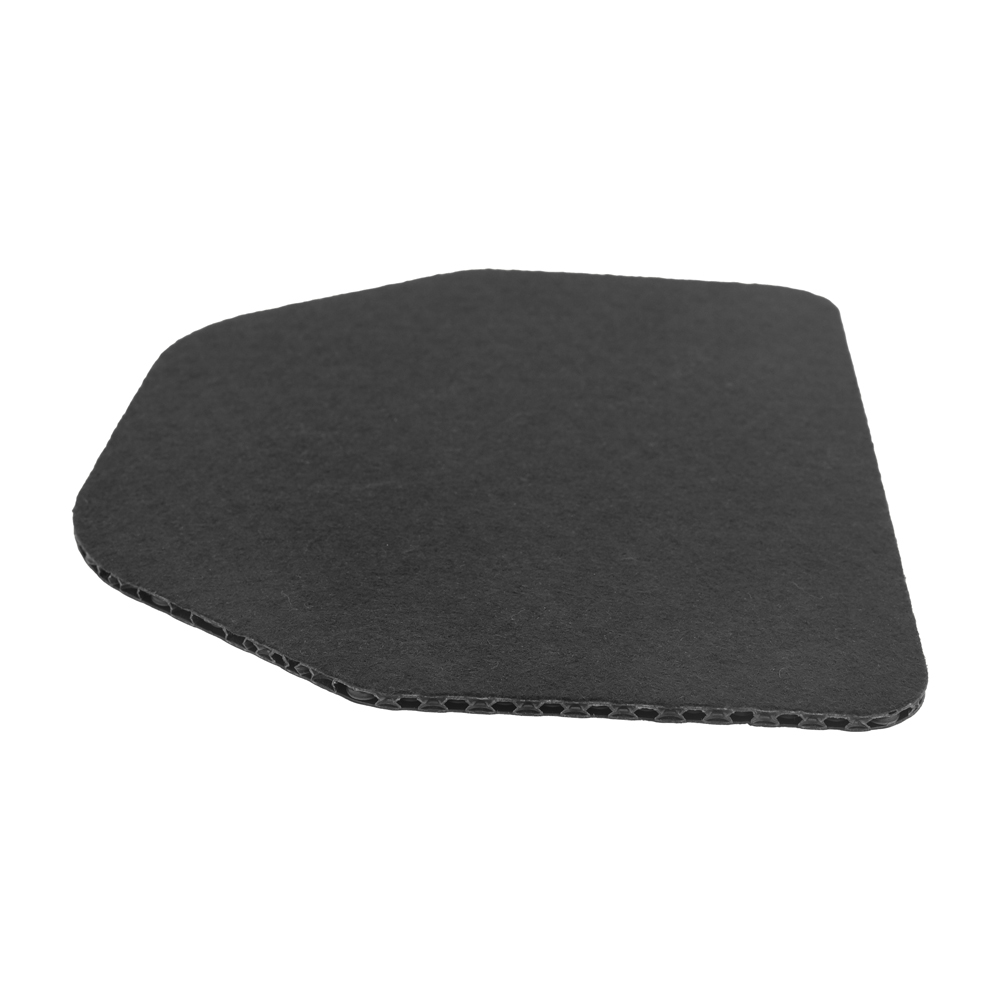
Plaster travels everywhere, so protect a wider margin than you think you need, and left unguarded they quickly pick up plaster splatter, trowel and hawk contact, spot-board placement. A purpose-made PP honeycomb protective sheet spreads point loads across its rigid cellular core, shrugs off knocks, and keeps what is underneath looking exactly as it did before work started.
Why Prevention Beats Repair
Think about what is really at stake: dried plaster bonded to a finished floor is slow to remove without damage. That figure dwarfs the cost of protecting the area properly in the first place, which is why experienced plasterers and main contractors treat cover as a line item, not a luxury.
Beyond the invoice itself there is the schedule slip, the awkward phone call, and the snagging item that refuses to close out. Spend a little early and you avoid all of it.
Situations Where Protection Matters Most
You will see this method earning its keep across skim-coating rooms, rendering reveals, and plasterboarding and taping. The principle never changes: get a rigid, well-fitted cover down early, keep the joins taped, and leave it in place until the messy work is genuinely finished.
Typical Damage Risks on Site
The causes are rarely exotic. Time and again, the harm comes from a short, familiar list:
- plaster splatter
- trowel and hawk contact
- spot-board placement
- water splashes
Getting the Cover Down Right
Begin by making sure you cover floors before mixing. Next, place a sacrificial board under the spot. Then tape joins against slurry. To finish, scrape splashes while still green. Those few minutes at the outset prevent the overwhelming majority of avoidable damage.
What Makes This Material Different
Not every cover performs the same. A dust sheet stops splashes but does nothing against a dropped tool, and loose hardboard slides around and leaves gaps. A twin-wall PP honeycomb board pairs a high strength-to-weight ratio with a crush-resistant cellular core, so it absorbs knocks from plaster splatter, trowel and hawk contact without letting a mark reach the surface below.
Available in a range of thicknesses, the panels can be matched to the level of traffic and impact you expect, from light decorating to full strip-out.
Get the Right Protection for Your Project
If you need dependable surface protection, Rulowin supplies plastic honeycomb panel cut to your dimensions and delivered to site. Speak to the team about the right thickness and surface finish for your particular job.