Protecting Fragile Glass Under Transit Shock
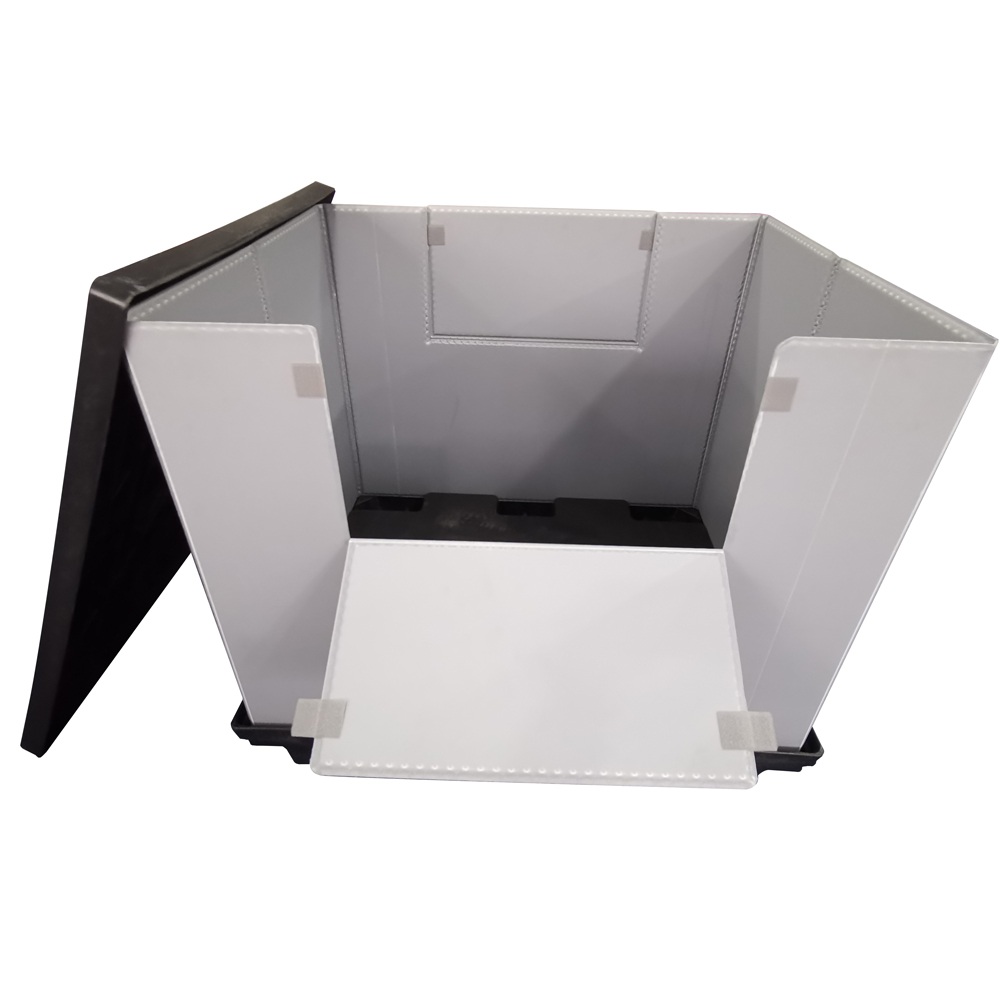
PV modules combine tempered glass with a brittle cell string, vulnerable to edge impact that can shatter the panel invisibly and only show up as a field failure after installation. Rulowin edge frames use PP honeycomb corners rated to absorb a 60 g shock, well above the 30 g seen in normal trucking on a paved road between the factory and the port or the installer’s yard where the modules are staged.
The frame cradles the module 10 mm off the pallet, preventing point contact that cracks cells and causes micro-fractures that later fail in the field after the array has been installed and commissioned by the contractor who then has to return to fix a panel that should have arrived intact. That 10 mm standoff is a small number that prevents a large and expensive warranty claim for the module maker downstream of the shipment.
Moisture and Salt Fog Resistance
Modules ship through coastal and humid routes where metal framing rusts and stains the product before it is even installed on the roof of the building. Polypropylene resists salt fog per ASTM B117 for 500 hours without degradation, unlike steel framing that corrodes and weakens the structural integrity of the frame over the weeks the module spends in transit and storage at the destination port and yard.
The PP pack also weighs 35 percent less than plywood crates, trimming freight on container loads where every kilogram of packaging is paid weight that carries no product value to the destination port and adds no energy yield to the array once it is finally installed and connected to the grid by the EPC contractor who bought it from the distributor.
Stacking for Container Efficiency
A 40 foot container holds 26 to 30 pallet layers of modules when packs share a 1,140 by 2,180 mm footprint that tiles cleanly without void or overhang in the box. Rulowin interlocks the stack so a 22-high column stays stable under 0.5 g corner acceleration that a ship experiences in a moderate sea while the container is lashed and moving with the motion of the vessel across the ocean on the lane.
That density protects the product while maximizing ocean freight per voyage, which matters because module margins are thin and logistics cost is a large share of delivered price to the EPC customer who is comparing bids on a tight project budget. The interlock also means fewer damage claims on arrival, because the modules cannot shift against each other and rub the glass surfaces during the long transit from the factory to the site.
Reusable Return for Installation Waste
Installers return cut-offs and broken modules in the same frame for recycling rather than landfilling them on site where the local rules may not even permit it. The closed loop keeps hazardous glass out of landfill and recovers the aluminum frame, a growing compliance requirement in EU markets that are tightening the rules on construction and solar waste that previously went unnoticed by the regulator in the past.
The returnable frame also means the installer site stays cleaner, reducing the trip-and-fall risk that loose broken glass on a roof presents to the crew working at height with tools in hand. The same frame that protected the good module on the way out now protects the crew and the environment on the way back, which is the kind of full-loop thinking that procurement teams are increasingly required to demonstrate in their supplier choices and reports.