
Export lanes often default to one-way wood pallets because getting a pallet back from another continent is not realistic. That is a reasonable conclusion and an expensive one, because the one-way pallet carries a purchase cost on every shipment and the wood treatment obligations that come with solid wood packaging.
What the treatment requirement covers
Solid wood packaging above a small thickness has to be treated and stamped. Plywood, particle board and processed wood products are generally outside the requirement because of how they are made. A pallet made of processed wood can therefore ship without the stamp – which removes both the fee and the scheduling dependency that comes with it.
Where pallets get held up
The same three reasons crates get stopped: an illegible stamp, a stamp on a component that has been removed, and a repair that added untreated solid wood. Repairs are the weak point, because the person fixing a broken deck board is not thinking about phytosanitary rules.
Plastic on a one-way lane
A plastic pallet costs several times a wood one and has to come back to pay for itself. On a genuine one-way lane it usually does not – unless the pallet has a second use at the destination or a resale value that covers the difference. Where it does, it also removes the treatment requirement entirely.
The reusable box version
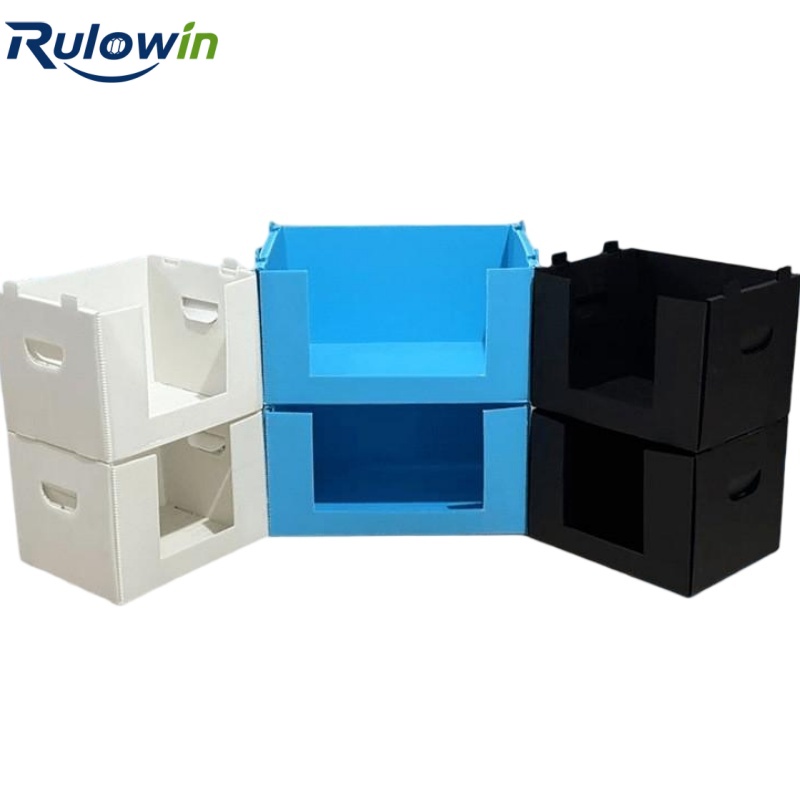
Where the box is the packaging, the pallet question becomes: does the box need one? A box with fork entry that ships pallet-free removes the pallet cost, the pallet weight, the pallet height and the pallet’s compliance obligations in one move. Where the return leg can carry the collapsed empties, this is usually the better answer.
What to weigh
Pallet purchase cost per trip, against pallet weight and height against payload and cube, against the compliance overhead. Three columns, one decision, and the answer changes with lane frequency and with what the destination can handle.
Where the reusable box changes the answer
If the box carries the load, the pallet is only there to make it liftable at the origin. A box with fork entry can be loaded and unloaded without one at all, which removes the pallet cost, its weight, its height and its treatment obligations in a single change. Where the empties can come back collapsed, this is usually the strongest option on a long lane.
Where the destination needs a pallet to receive, the honest answer is a cheap one-way pallet and a box that comes home. That is a worse outcome than it sounds, but it is better than a reusable box that never returns.
Where pallets get held up
The same three reasons crates get stopped: an illegible stamp, a stamp on a component that has been removed, and a repair that added untreated solid wood. Repairs are the weak point, because the person fixing a broken deck board is not thinking about phytosanitary rules.
What the honest comparison looks like
A one-way pallet costs a purchase price per shipment, forever. A pooled pallet costs a hire charge and a return obligation that may not exist on the lane. A plastic pallet costs capital that has to be recovered across a return leg. None of the three is universally right, and the answer is per lane rather than per company.
What we can do
We build PP corrugated turnover boxes that can ship with or without a pallet, and we will price both ways for your lane. Send us the destination and the volume. The pooling side of it is in where pallet pools and returnables clash.