
A supplier tells you eight weeks and it is natural to assume eight weeks of making. Usually it is a week or two of production, a week of consolidation, and four weeks on the water. Understanding the split is what lets you shorten it, because only one of those is negotiable.
Component one: production
How long the item takes to make, plus where you sit in the queue. For a stock item this is near zero. For a made-to-order item it is the tooling slot plus the run – and in a busy season the slot is the variable.
This is the component people focus on and it is usually not the largest.
Component two: tooling, if any
A new mould or die has to be designed, cut, and trialled, and the first articles approved. This is the longest single component for a custom item and it is the one worth attacking – because it can run in parallel with other things if you plan for it.
Worth asking: can tooling start before the specification is fully frozen. Often some of it can.
Component three: consolidation and documentation
Getting the goods to port, booked, and documented. On a shared container this includes waiting for the container to fill, which is genuinely unpredictable and can add a fortnight.
Asking for a dedicated container removes the wait and costs more. Whether that is worth it depends on the value of two weeks.
Component four: transit
The sea leg, plus port time at both ends. Often the largest component and the least negotiable – though the choice of port and of service level matters more than people expect.
What you can actually shorten
The queue, by ordering earlier or by holding a contract slot. The tooling, by starting it early and approving samples quickly – sample approval delays are the most common self-inflicted lead-time problem. And the consolidation wait, by paying for a dedicated container.
You cannot shorten the sea leg. Plan around it rather than hoping.
What to ask a supplier
Not “what is the lead time” but “what is the breakdown, and when does the clock start”. From order confirmation, deposit, or drawing approval? That distinction routinely costs two weeks and it is the most common source of a missed date.
We covered the packaging-order version of this in how to read a packaging quotation.
The delay that is usually yours
Sample approval. A first-article sample arrives, waits for the right person, waits for a test, and gets signed off three weeks later – while the production slot booked against it slips. Suppliers see this constantly and it is the most common cause of a missed first-order date.
Decide in advance who approves, against what criteria, and within how many days. Then hold to it. It costs nothing and it is usually worth more than any expediting.
What to ask for instead of a single date
A breakdown with the gate marked: what needs you before the clock restarts. It turns a negotiation about a date into a schedule with owners, and it makes the slipping visible early enough to do something about it.
What we can do
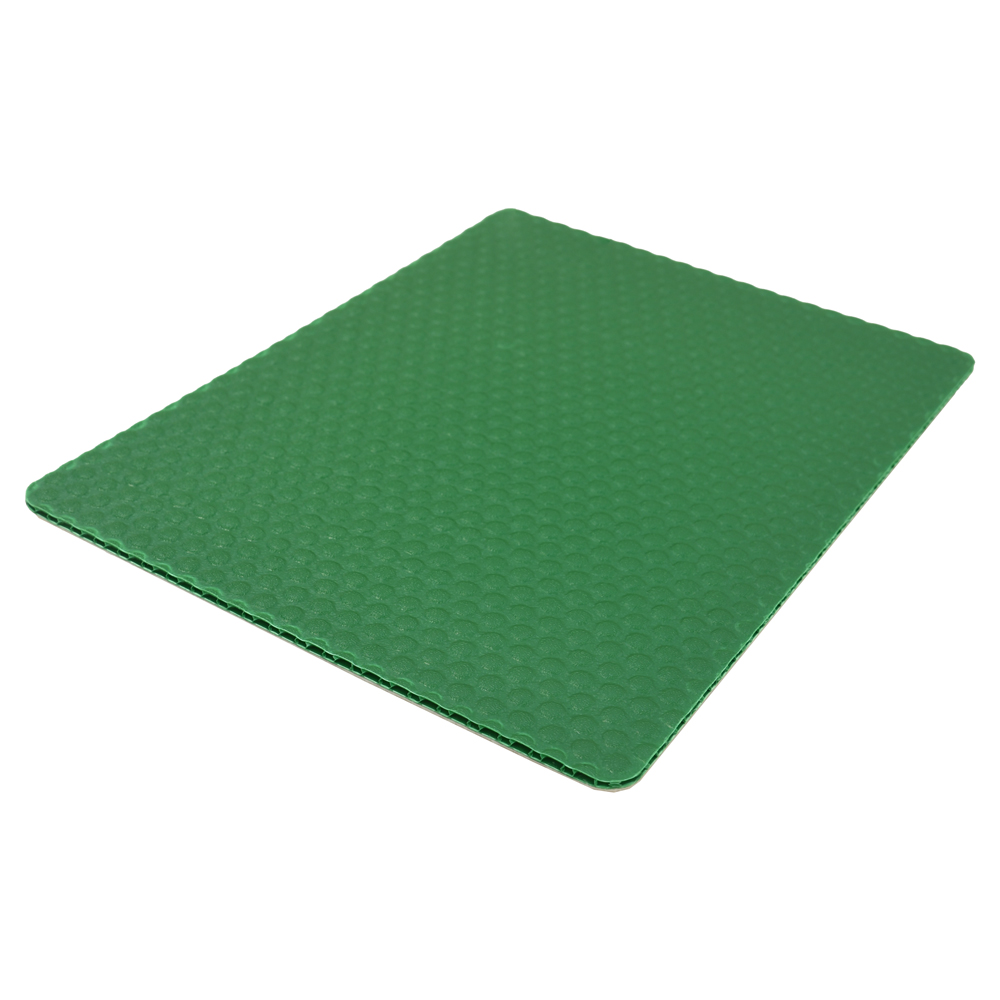
We supply PP honeycomb panels and quote lead time as a breakdown rather than a single number. Tell us your deadline and we will tell you what is achievable – including being honest when it is not.