
Produce is seasonal and packaging is bought in units. Those two facts produce the central problem of fleet planning: the number of crates you need in the busiest fortnight is far larger than the number you need in an average week, and you own whatever you buy all year round.
Start with the profile, not the peak
Plot crates in circulation by week across a full year. Most operations that do this for the first time are surprised by how sharp the peak is – often a factor of several between the quietest and busiest weeks.
Three numbers come out of the profile: the base load that runs all year, the peak you have to cover, and the length of the peak. The last one matters as much as the first two, because a two-week peak is a very different problem from a five-month one.
The three ways to cover the peak
- Own for the peak. Simple, no dependency, and you carry the idle fleet for the rest of the year including its storage.
- Own for the base and rent the peak. Lower capital and lower idle cost. Requires pool capacity to be available when everyone else’s peak arrives too – which means agreeing it in advance rather than assuming it.
- Own for the base and switch the peak to single-use. Sometimes the honest answer. It avoids both idle fleet and peak rental, at the cost of losing the reusable benefit on the peak volume.
What the peak actually costs to own
It is not just the purchase price. Peak-only units need somewhere to live for the rest of the year, they need washing before and after, they still get lost at some rate, and they age while idle. A crate that is used four weeks a year and stored for forty-eight has a cost per trip that is many times the base-load figure.
Working that number out properly usually settles the argument. It is also the number most often missing from a fleet plan.
Cycle time is the hidden variable
The number of crates you need is not the number in transit – it is the number in transit multiplied by how long a round trip takes, divided by the interval. If a crate takes three weeks to come back, you need three weeks’ worth of crates in circulation, not one week’s.
Reducing cycle time is the cheapest way to reduce fleet size. It is a logistics problem, not a packaging one, and it is often where the real saving is.
Practical planning points
- Build in a loss allowance. Use your observed monthly loss rate rather than assuming perfect returns.
- Plan for damaged stock. A percentage of the fleet is always out of service for repair or awaiting retirement.
- Agree peak capacity early. If you intend to rent, contract it before the season, not during it.
- Keep a genuine reserve. Running at 100 percent utilisation means one late return stops a packing line.
- Review after each season. The profile changes as the business does, and a fleet plan is not a one-off calculation.
The question to answer first
Whether you are optimising for the lowest annual cost or for the lowest risk of running out. Those give different answers – the low-cost plan runs lean and is vulnerable, the low-risk plan carries a fleet it does not always need. Being explicit about which you are choosing saves a lot of arguing later.
Total fleet size is the other half of the same problem, and we keep it separate here: working out how many crates you need.
What we can do
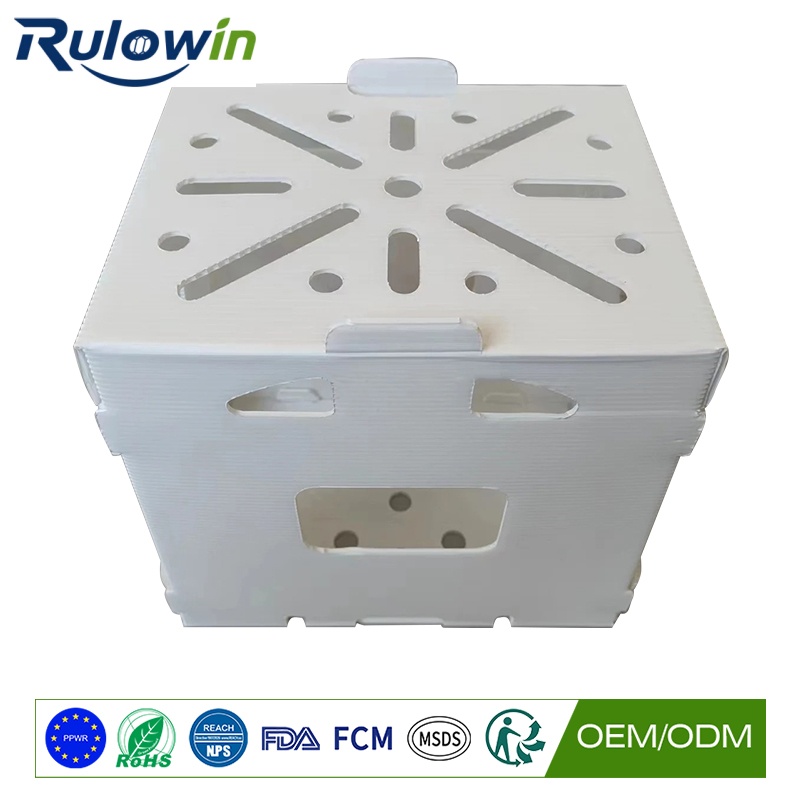
We supply produce boxes and can supply in staged deliveries across a season so that you are not warehousing the whole fleet from day one. Tell us the profile and the cycle time and we will tell you what the peak actually costs to own – sometimes the answer is that you should be renting it.