
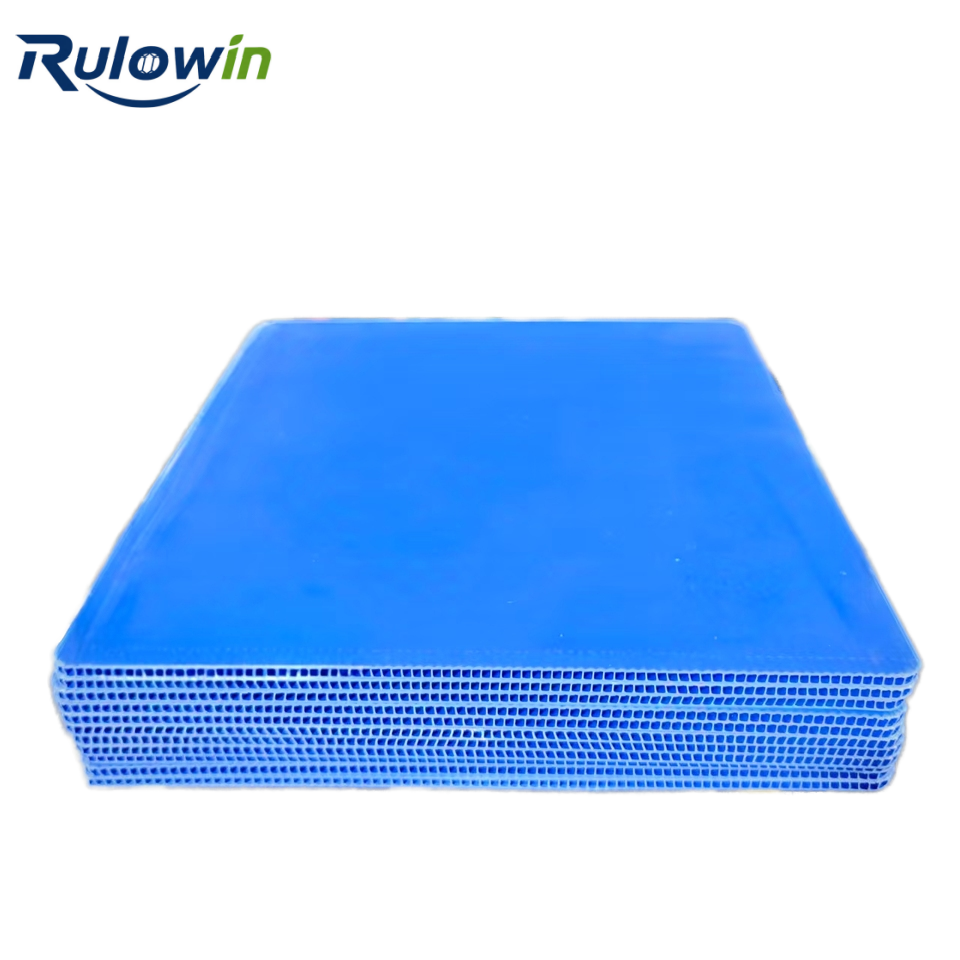
A pilot on corrugated PP sheet packaging usually runs for a month and answers one question – does the pack survive? It comes back positive, the programme is approved, and six months later the numbers do not add up. The pilot measured the wrong things.
The five numbers worth having
Trips completed per unit, because that is the whole economic engine. Losses per cycle, because nobody models those and they compound. Handling minutes per load compared with the incumbent, because labour is usually the biggest real cost. Damage rate compared with the incumbent. And unit preparation time – assembly, inspection, storage – which is where reusable systems quietly lose.
Collect those five and the decision is arithmetic. Collect only durability and the decision is optimism.
Set the pass mark before starting
Agree what result means “yes” before the pilot runs. Without it, every outcome is arguable, and pilots that were always going to be approved get approved regardless. Write the threshold down, ideally as a trip count and a cost per trip. The structure we suggested for running a sleeve box pilot applies generally.
Run it on a real lane
Pilots on convenient lanes produce favourable data and misleading conclusions. Choose a lane with representative handling, including one that involves the awkward site. If the pilot only ever runs between your two best-run locations, it is testing the locations rather than the packaging.
Make somebody accountable for returns during the pilot
In a pilot, returns get attention that they will not get in year two. That flatters trip counts and understates losses. Assign the return duty to whoever will own it permanently, not to the project team, and the data reflects reality.
Include the awkward season
A pilot run in a quiet month tells you nothing about peak. Where the operation is seasonal, either run long enough to include peak or accept that the loss rate and handling times are best cases.
Do not skip the washing and inspection step
Pilots frequently ship units out and back without reproducing cleaning, which is usually the largest hidden labour cost in a reusable system. If the pack will be washed in production, it must be washed in the pilot, or the comparison with single-trip is not honest.
Know when to stop the pilot early
If trip counts are far below expectation within the first two weeks, that will not improve. Stop, change the lane or the design, and restart – rather than running a full pilot for a polite report that says no.
One question pilots forget
Nobody asks what happens to units at the end of the pilot, and it matters more than it sounds. Units that go into general circulation afterwards disappear from the measurement, and the programme loses the baseline it needs a year later to decide whether to continue.
Keep the pilot units identifiable, keep counting them, and the pilot keeps producing useful data long after it formally ends. This is why we suggest including the counting procedure as part of the pilot rather than as an implementation task.
What we can do
We support pilots on corrugated sheet packaging and will say which of the five numbers we think will decide it. Tell us the lane and the incumbent, and we will suggest the threshold – including when we think the honest answer will be that reusables do not pay in your case.