
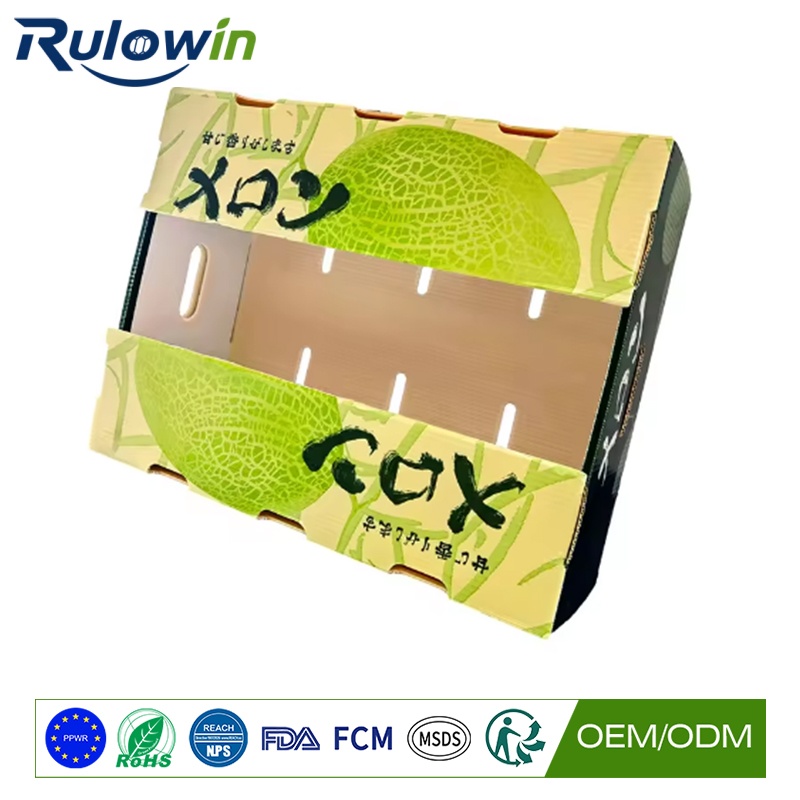
A crate quotation that arrives without a specification behind it is a guess with a number on it. When two suppliers quote the same nominal crate at different prices, the difference is usually one of five things, and understanding which one is the fastest route to a comparable quote.
Resin grade and weight
The largest single driver is how much polymer is in the crate, and that is weight, not thickness. Two crates of identical external dimensions can differ by twenty per cent in weight, and the lighter one will have thinner sections and shorter life. Always compare weight per crate, not price per crate. A cheaper, lighter crate is frequently more expensive per trip.
Additives
UV stabiliser, colour pigment and any anti-microbial or anti-static package all cost money, and all of them are invisible in a quotation that just says “crate”. A crate specified for indoor cold storage does not need the UV package that an orchard crate does. If a quote does not itemise them, ask – because the difference between a stabilised and an unstabilised crate is not visible until year two.
Tooling
If a crate is being made to a non-standard size or with a logo, there is tooling involved, and either it is amortised into the unit price or it is charged separately. On a small order, tooling dominates. Asking whether a stock size would do the job is the single largest available saving on a first order, and it is worth asking before assuming a custom size is needed.
Freight
Crates are bulky and light, so freight is charged on volume and it is a large share of delivered cost. A quotation ex-works and a quotation delivered can differ by a great deal, and the delivered price depends on how many crates fit in a container – which depends on whether they nest. Always compare on the same terms. Freight is discussed separately in shipping and container loading, and the same volume logic applies.
Quantity breaks
The per-unit price moves in steps rather than smoothly, because the set-up cost is the same whether the run is long or short. Asking for the break points rather than a single quantity price is usually more useful than negotiating a discount – sometimes buying slightly more costs less per unit and leaves a useful spare allowance. The pattern is the same one described for other PP products in MOQ and price breaks on PP protection board.
What to put in the enquiry
Crop, fill weight, stack height, how many months outdoors, wash method, footprint required, quantity, and delivery terms. Eight fields. An enquiry with all eight gets a number that can be tendered; one with three gets a range that cannot.
Why the cheapest quote is often the expensive one
A quotation can be made lower by reducing crate weight, by omitting the UV package, or by quoting ex-works rather than delivered. All three look identical on a comparison spreadsheet and all three cost money later – the first in service life, the second in year-two failures, the third at the point of delivery. Comparing on delivered price per kilogram of polymer is a more honest basis than comparing unit price.
Where two quotes are genuinely close, ask both suppliers for the weight and the additive package in writing. The one that answers quickly and specifically is usually the one worth buying from, because the same responsiveness is what you will need when something goes wrong mid-season.
What we can do
We quote produce crates with weight, additive package and freight stated separately so the comparison is real rather than nominal. Send us the eight fields and we will come back with a price that does not move later.