
A picking trolley is a small piece of equipment that determines how many boxes a picker can move and how much walking they do. Most trolleys are bought generically and then work badly, because the two things that matter – position count and empty-box supply – were never specified.
Position count first
How many orders does a picker work at once? One at a time is simplest and means more walking. Four at once is common in high-volume picking and requires a trolley with four positions the picker can reach without turning round.
The trolley has to match the method, not the other way round. If your method is batch picking into four boxes, a two-position trolley forces pickers to improvise, and improvisation is where errors come from.
Positions must match the sequence
If the pick list runs in a sequence, the box the picker needs next should be the one nearest their hand. A trolley where the picker has to think about which box is which adds a decision to every pick, and decisions are what slow picking down and cause mis-picks.
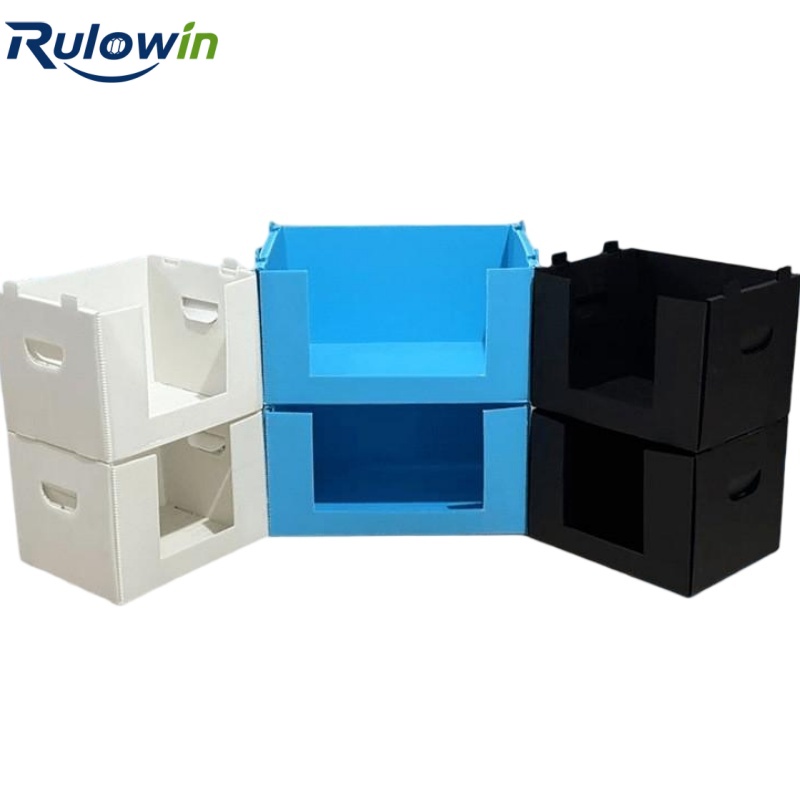
Colour-coded positions matching colour-coded boxes remove the decision entirely. It is the cheapest intervention available and it works.
Empty-box supply, which is the part everyone gets wrong
Empty boxes have to be where the picker starts, not at the end of the aisle. If the picker has to walk to collect empties, that walk is repeated on every pass, and it is pure waste.
Most layouts either stack empties at the aisle entrance or carry a stack on the trolley itself. Carrying empties on the trolley costs a position but removes a walk – and for most operations that trade is worth making.
Box size versus trolley size
A trolley sized for a box that is too large wastes space on every pass. This is where the box and the trolley need deciding together. Four large boxes may not fit; six smaller ones may, and six smaller orders per pass beats four large ones on almost any metric.
We made the same point about box size in what a picking box is used for: the oversized box is the most common specification error in picking.
Full boxes out
Where do completed boxes go? A trolley that requires the picker to stop and walk a full box to a drop point breaks the flow. Either the trolley carries empties and fulls together, or there is a drop point the picker passes anyway – a conveyor spur or a rack end.
This is the step that most often gets bolted on afterwards, and it is where the time goes.
What to measure
Orders per picker per hour, before and after any change. Not walking distance, not pick speed – the end-to-end rate, because layout changes usually trade one against the other and only the combined figure tells you whether you improved anything.
Then measure mis-picks separately. A layout that is faster and less accurate is worse, and the two do not always move together.
Run any change for a full shift before judging. Pickers adapt over an hour or two, and a twenty-minute trial measures unfamiliarity rather than the layout.
What we can do
We supply picking boxes in sizes that suit trolley positions, with colour options for position coding. Tell us your pick method and how many orders per pass, and we will tell you what box fits – including when a smaller box lets you work more orders per pass.