
Why This Surface Deserves Attention
Ask any seasoned contractor where budgets quietly leak and they will point at damaged finishes. During a kitchen or bathroom remodel, laminate flooring are exposed to dropped cabinets, tile adhesive, silicone smears — and once marked, they rarely come back to perfect without real expense.
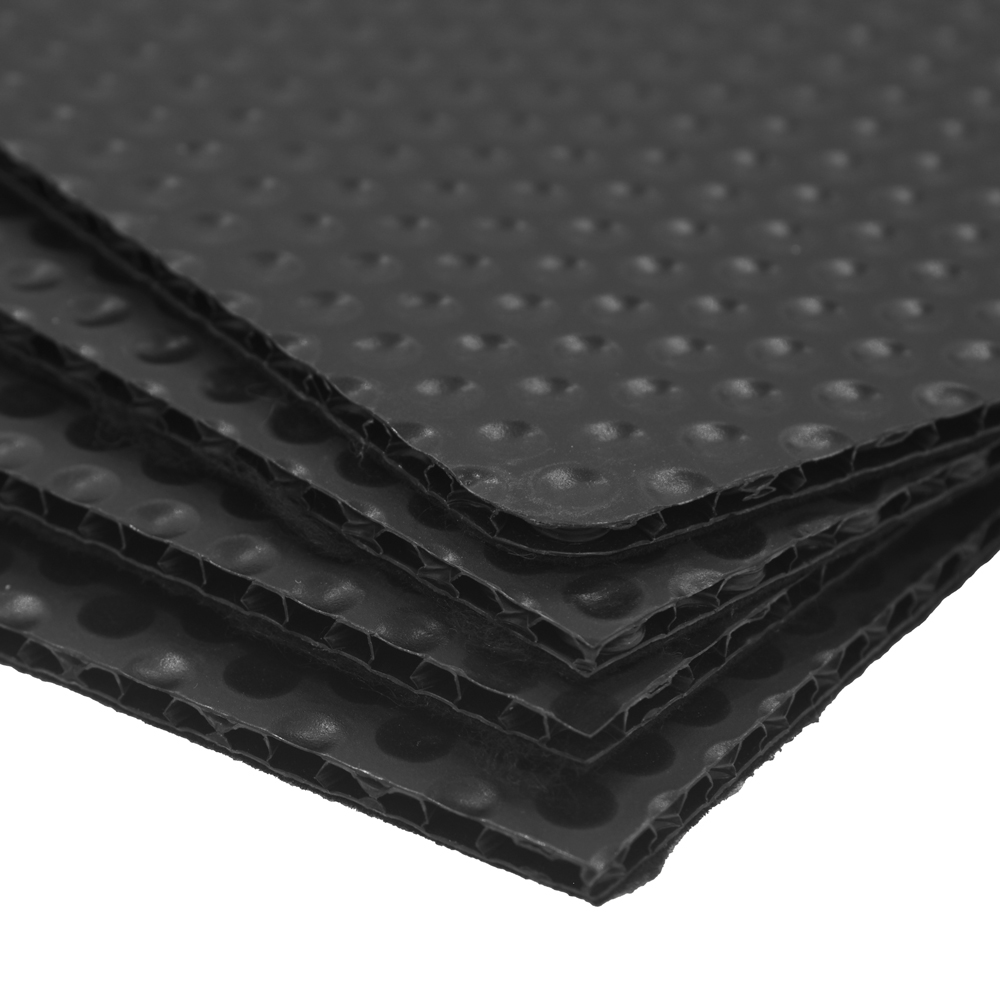
The click-lock edges of laminate chip if point loads hit a single board, and left unguarded they quickly pick up dropped cabinets, tile adhesive, silicone smears. A purpose-made PP honeycomb panel spreads point loads across its rigid cellular core, shrugs off knocks, and keeps what is underneath looking exactly as it did before work started.
What Actually Causes the Harm
The usual culprits include dropped cabinets, tile adhesive, silicone smears, plumber’s tools, and swarf from cutting. On their own each looks trivial, but together they account for the bulk of the call-backs and claims that kitchen fitters and bathroom installers end up dealing with.
What Damage Really Costs
Here is the uncomfortable maths. Laminate cannot be sanded, so a deep chip means swapping whole planks. A few sheets of honeycomb protection board cost a fraction of that and take minutes to lay — the return on that tiny effort is enormous.
Add in lost time, return visits, and the reputational dent, and the case for covering up becomes impossible to argue against.
What Makes This Material Different
Not every cover performs the same. A dust sheet stops splashes but does nothing against a dropped tool, and loose hardboard slides around and leaves gaps. A rigid PP honeycomb sheet pairs a high strength-to-weight ratio with a crush-resistant cellular core, so it absorbs knocks from dropped cabinets, tile adhesive without letting a mark reach the surface below.
Boards can be trimmed to size on site with a standard blade, taped at the seams, and lifted just as fast when the work is done — no specialist kit required.
Where This Approach Pays Off
You will see this method earning its keep across worktop replacement, vanity-unit installation, and re-tiling over laminate. The principle never changes: get a rigid, well-fitted cover down early, keep the joins taped, and leave it in place until the messy work is genuinely finished.
How to Lay the Protection Step by Step
A careful routine makes all the difference. Here is the method we recommend:
- lift out loose debris first
- run boards wall to wall
- tape seams against dust ingress
- double up under the cutting station
Get the Right Protection for Your Project
If you need dependable surface protection, Rulowin supplies polypropylene honeycomb sheet cut to your dimensions and delivered to site. Speak to the team about the right thickness and surface finish for your particular job.