
A steel stillage is the default answer for anything genuinely heavy, and it earns that position. It is welded, it is inspected, it takes a fork entry without ceremony and it holds a two-tonne casting without argument. The problem is not the strength. The problem is everything that comes with it.
What a stillage is genuinely good at
Very high point loads, permanent fixtures at a workstation, parts that need to be washed in place, and anything where a fixture has to double as a machining or assembly aid. If the part stays inside a cell and never travels, a stillage is usually the right answer and a box is not.
The three costs a stillage carries
Tare weight, corrosion and repair. Tare first: a stillage for a 400 kg part commonly weighs 120 to 180 kg. Every movement pays for it. Corrosion second: paint gets chipped at the fork pockets, the chip becomes rust, the rust becomes a touch-up, and the business of getting a stillage to a paint shop is not free. Repair third: a bent leg on a stillage is a fabrication job; the same damage on a honeycomb board box is usually a panel replacement.
What the weight does to freight
On an internal loop the tare weight is a fuel and forklift-cycle cost, real but diffuse. On an external lane it is charged. A stillage plus part at 70/30 packaging-to-product is a packaging ratio nobody would design on purpose, yet it is extremely common because the stillage was inherited rather than chosen.
Where stillages still win outright
Anything that has to be lifted by crane, anything with a fixture that must be rigid to a tolerance, anything that lives outdoors permanently and is expected to be repainted rather than replaced, and anything where the part and the container go through a wash or a paint process together. None of those are honeycomb box jobs and we would not propose one.
The hybrid that usually wins
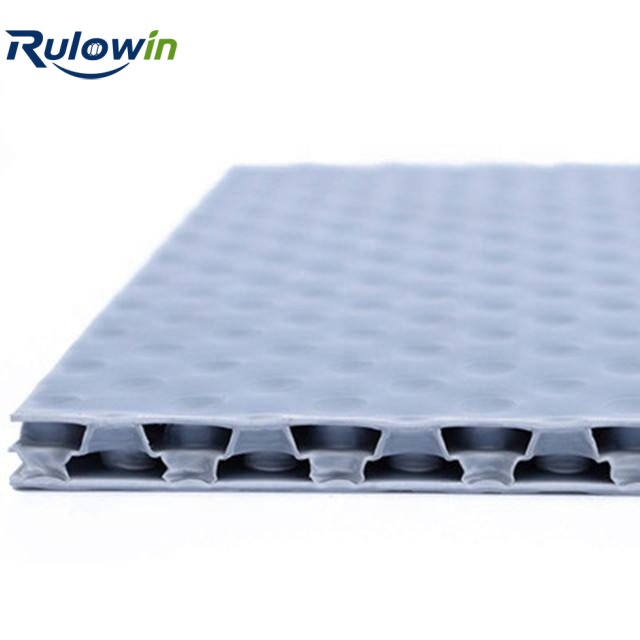
In practice the strongest answer on a lot of heavy-part loops is a honeycomb board box with a steel or timber base, a combination that keeps the fork entry and the structural base in metal while taking the walls, the lid and the dunnage out of steel. The weight comes down by half, the corrosion surface shrinks to the base, and the part-specific work moves into the interior, which is where the cost actually sits. This is the same logic that appears in building a dunnage set inside a honeycomb box.
Running the numbers on a 400 kg part
Take a loop of twenty movements a week between two plants. A 140 kg stillage means 140 kg of dead weight per movement, 145 tonnes a year. At 22 kg for a honeycomb box with a steel base, the same loop moves 23 tonnes of packaging. The freight and fuel saving is modest per trip and substantial per year. Add the corrosion programme and the fabrication time on damaged stillages and the case usually closes. The counter-case is a part that needs a rigid datum; then keep the stillage, or keep a steel fixture inside a box.
The decision in three questions
Does the container double as a fixture? Then steel. Does it leave the plant and come back? Then weight and repair cost both apply, and a box is worth pricing. Is the load over about a tonne with a high point load? Then the base, not the walls, is the design problem, and it is a solvable one.
Keeping steel where it earns its place
Moving to a box does not mean abandoning steel. The base, the lifting points and any fixture that needs to hold a tolerance are all still better in steel, and keeping them there is usually the design that wins. The change is in the volume and the mass, not in the material of every component.
That framing also makes the transition easier internally. Nobody has to accept that steel was the wrong answer; they only have to accept that a hundred and forty kilograms of it per box was doing less than it could. On a heavy-part loop that argument usually carries.
What we can do
We build PP honeycomb board boxes, including versions on steel or timber bases for heavy parts where the walls should not be doing the structural work. Send the part drawing and the loop description; we will come back with a box weight, an internal layout and an honest view on whether a stillage is still the better answer.