
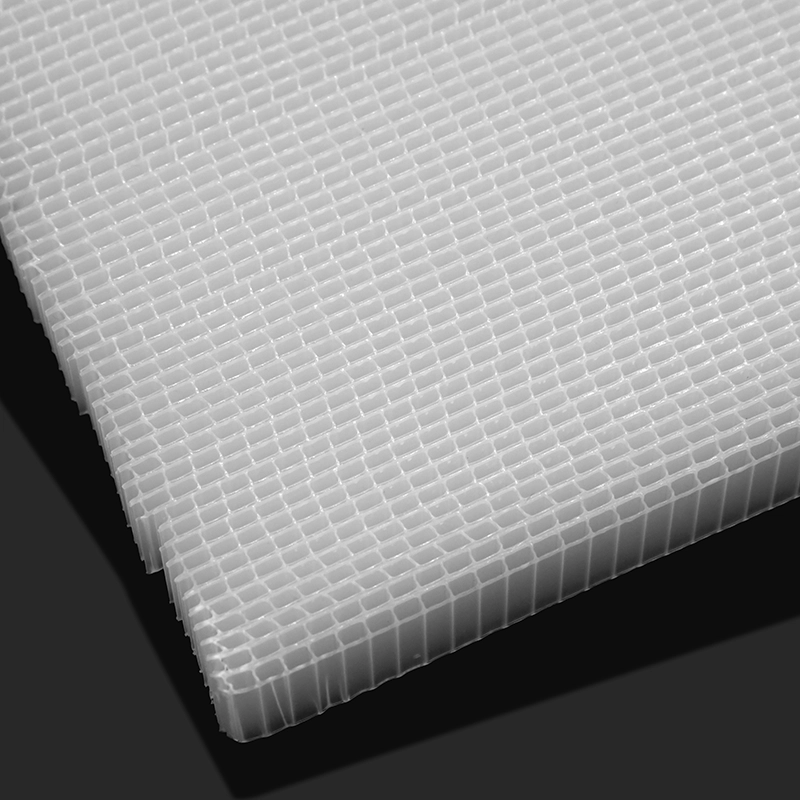
Evaporative cooler pads work by presenting a large wetted surface to incoming air, which also makes them a good dust collector. In a dry, dusty climate a set of pads can load in a season, and once loaded they restrict airflow, cool less effectively and start to smell. A screen in front of them is cheap insurance.
What loads the pads
Dust first, and in quantity where the cooler draws from a dusty yard or a rural site. Then organic material: seed husks, leaf fragments, insect debris, all of which arrive in warm months exactly when the cooler is running hardest. And pollen, which is seasonal and locally very heavy.
Organic material is the damaging fraction. Dust loads the pad and reduces airflow; organic material wets, stays wet, and supports biological growth on a surface that is permanently damp. The smell that develops in a cooler mid-season is usually this, not the dust.
Why it matters where the screen goes
The screen has to be on the intake side, ahead of the pads, with enough space between them that the air velocity profile evens out. A screen pressed directly against the pad face creates fast and slow zones, and the pad under the fast zone loads in a patch.
It also has to be coarse enough not to become the restriction. A cooler moves a lot of air at low pressure, and there is not much margin. A dense screen here costs delivered airflow immediately.
Washing in a cooler application
The screen gets wet in service, which suits polypropylene and rules out paper media completely. Washing is straightforward: rinse from the clean side, and expect to do it more often in a dusty season.
Worth checking the screen at the same time as the pads. A cooler that is opened up once a season for pad inspection should have its screen looked at then, and a screen that has cracked or gone wavy should be retired rather than refitted – a damaged screen at a cooler intake bypasses, and everything it was protecting loads instead.
What it does not fix
Mineral scaling. If the water is hard, pads scale regardless of what is filtered out of the air, and no screen changes that. Scaling needs water treatment or a bleed, and it is a separate problem that is often mistaken for dust loading because the symptom – reduced airflow – is the same.
Where to mount the screen
Outside the pad face, with a gap. A screen pressed directly onto the pads creates fast and slow zones, the pad under the fast zone loads in a patch, and the cooler ends up with an unevenly aged pad set that performs worse than its average condition suggests.
A stand-off of even fifty millimetres evens the velocity out and gives the screen somewhere to shed what it catches. It also puts the screen in a position where it can be hosed without soaking the pads, which is not a small point when the cooler is in daily use.
Where the housing will not allow a stand-off, mounting on the intake louvre is the next best option – coarser, easier to reach, and serviceable without opening the cooler.
What we can do
We supply washable PP honeycomb pre-filter screens for evaporative coolers, cut to the intake face. Tell us the cooler model or the intake dimensions and what the air is like where it sits, and we will recommend an open area that does not cost you airflow.