
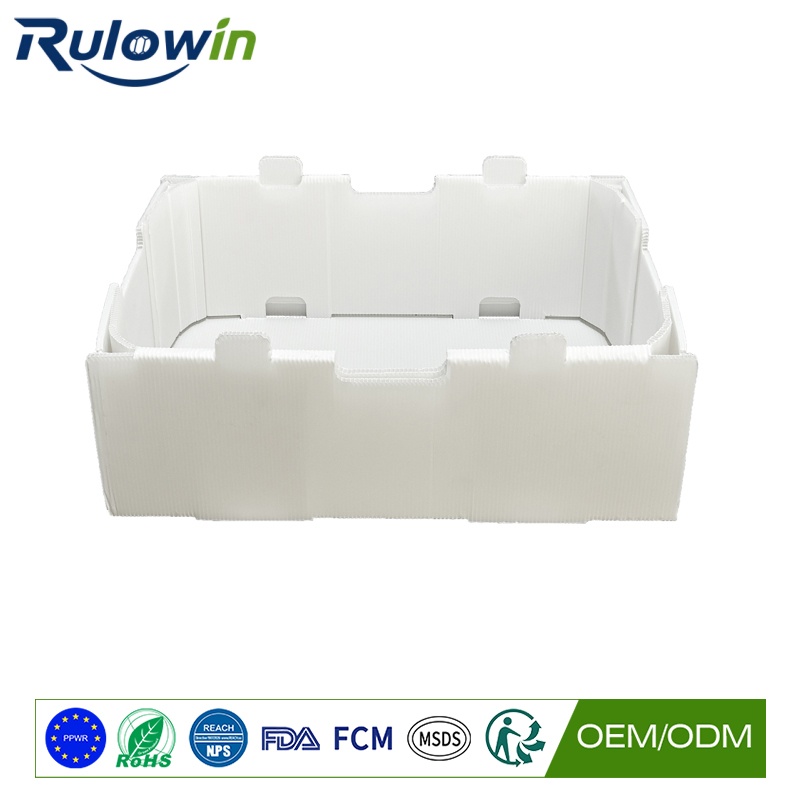
The ideal for soft fruit is to pick once into the container the fruit will travel in and never touch it again. That is field packing, and it removes an entire handling step. It also moves the packing operation into a field, which brings its own difficulties.
What removing a handling step is worth
Soft fruit loses quality with every transfer. Each move is an opportunity for impact, for crushing and for warming. Removing one handling step typically shows up as less bruising at the far end and better shelf life, and on a high-value crop that is worth more than the packaging saving. It is also a labour saving, which is often the bigger number.
What it costs you
Field packing needs the crate in the row, which means more crates in circulation at once and more transport of empty crates. It needs shade, because fruit picked into a crate standing in the sun starts warming immediately. And it needs discipline on fill height, because in a field nobody is watching the top layer as closely as they would on a line.
Fleet size goes up
This is the surprise. Field packing means crates are out in the rows rather than cycling through the packhouse, so the fleet has to be larger for the same daily throughput. Operations that switch to field packing without adding crates run out in the second week. The sizing method is set out in working out crate fleet size for a season and the answer is usually higher than expected.
Shade and field heat
Fruit picked at 25C has a lot of heat to lose. A crate standing in full sun in the row can be several degrees hotter than the air, and fruit going into it starts at a disadvantage. Putting filled crates under shade, or at least on the shaded side of the row, is a free improvement. Where the operation can pre-cool in the field, the crate becomes part of that process – see crates for pre-cooling after harvest.
The crate has to work in the field
Which means it has to survive being set down on rough ground, being dropped, and standing in mud. It has to have hand openings a gloved picker can use and a base that drains if the fruit is wet. Those are different requirements from a crate that only ever travels between a packhouse and a cold store, and specifying for the packhouse and then using it in the field is a common and expensive mistake.
When field packing is the wrong call
Crops that need grading, sizing or a quality decision before they go into a container cannot be field packed without moving the grading into the field. Crops that are washed or treated after picking need a container that survives that step. And operations where the field is a long way from the cooling need to weigh the transport of empty crates against the saving.
What field packing does to crate numbers
Crates that used to cycle from packhouse to field and back now sit in the rows until they are full, then travel to cooling, then to the packhouse, then to wash, then back. That is a longer cycle than most operations have before, and the fleet has to grow to match. Operations switching to field packing usually need materially more crates for the same daily volume.
The way to find out without buying too many is to run one block or one crew on field packing for a season and count how many crates that crew kept busy. Scale from the measurement rather than from an estimate, and add the spare allowance on top.
What we can do
We supply field-packing crates with reinforced bases, drain channels and hand openings suited to gloved use. Tell us the crop, the row layout and whether the fruit is cooled in the field, and we will size the fleet with you rather than guessing.