
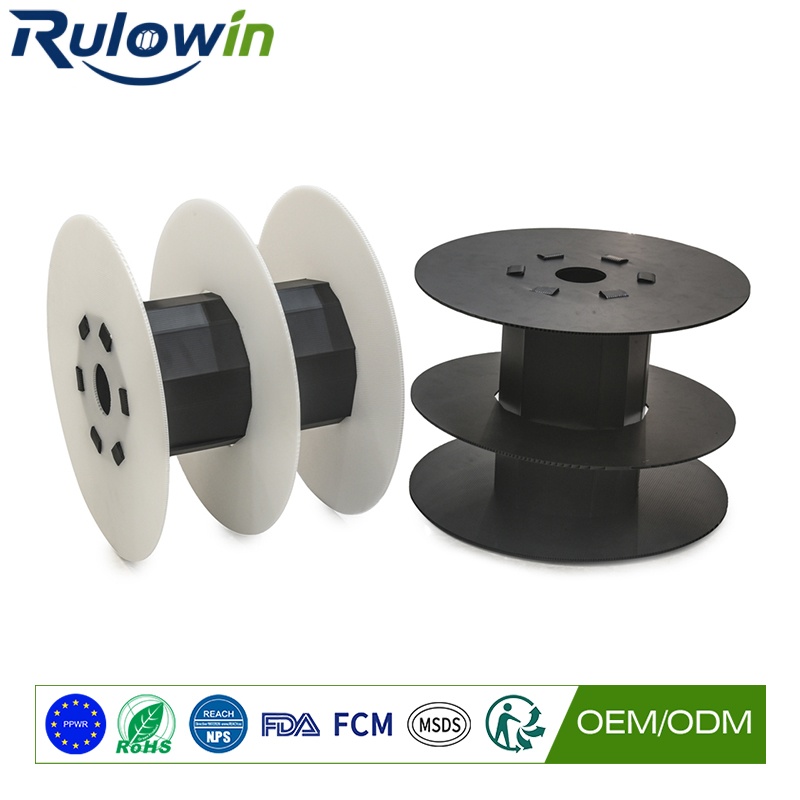
Ask a site why their spools are dimensioned the way they are and the answer is frequently “because they always have been”. The person who knew is gone, the drawing is a PDF nobody can find, and the next person to specify will start from scratch.
What gets lost
Not usually the dimensions — those survive on a drawing. What gets lost is everything else:
- Why each dimension is what it is
- What was tried and rejected and why
- What the machine actually is as opposed to what the manual says
- Which failures have happened and what was done about them
- Who to ask when something needs deciding
That second one is expensive to lose. Organisations re-run the same failed experiment every few years because nobody recorded it.
The minimum worth writing
One page, ideally attached to the drawing or the purchasing specification:
- The machine interface — shaft dimensions as measured, drive or brake arrangement. This is the item most often missing and most often needed.
- The product constraints — minimum bend radius, weight, anything sensitive.
- The duty — tension, speed, temperature range, handling method.
- Material and grade, with the reason if there is one.
- What was rejected and why — one line each.
- Known failure modes and the current response to them.
- Supplier and specification reference, plus who approved it and when.
Where to put it
The right location is wherever the next person will look, which is almost never a document management system.
Practically:
- On the drawing itself as notes, if there is a drawing — the most likely to survive
- With the purchasing specification, because that is what gets sent to suppliers and reviewed
- In the quality agreement if you have one, which is the point of our quality agreement article
- Referenced from the inspection routine so it is seen regularly rather than annually
A specification nobody opens is not documentation. Being attached to something used weekly is worth more than being complete.
Recording decisions, not just outcomes
The useful habit: when a decision is made about packaging, write one line about why. Not a memo — a line.
“Bore changed to 50.3 because shaft measures 50.1 and 50.0 was slipping.” That single line prevents the question being reopened, prevents the change being reverted, and tells the next person something real about the machine.
Reviewing it
Annually, or whenever something changes. Specifically worth re-checking:
- The shaft measurement — shafts wear, and a specification written against a new shaft may be wrong now
- Whether the product is the same — bend radius requirements change with product changes
- Whether the supplier is still making the same thing — the change-notification point from our conformity article
- Whether the known failures are still the current ones
The handover test
A simple way to judge whether documentation is adequate: could somebody new, with no help, specify a replacement spool from it? If the answer is no, something essential is missing — and it is usually the machine interface or the why.
What we can do
Supply a specification sheet for our hollow board spools with material, dimensions and tolerances stated, which covers the “what” competently. The “why” has to come from you, and it is the part that saves money later — so it is worth an hour now, while somebody still remembers.