Meeting UN Certification for Hazardous Goods
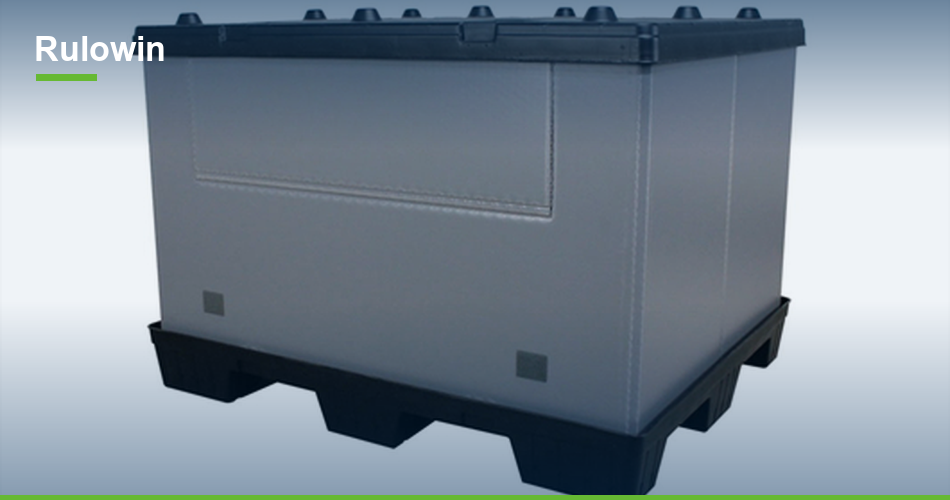
Transporting chemicals demands packaging that passes UN performance tests including the drop test, stack test, and leakproofness test before it can legally move by road or rail. Rulowin produces PP intermediate bulk containers with a UN-certified rating when fitted with compatible liners chosen for the specific product being shipped by the customer.
The seamless PP shell resists the permeation that plagues fiber drums, and a 95 kPa pressure test confirms containment integrity for liquids that would otherwise weep through a cardboard composite over a long international voyage across varying temperatures and pressures. That containment is what lets the EHS team sign off on the shipment knowing the secondary containment will hold if the primary liner is ever compromised in transit.
Chemical Compatibility and Liner Selection
Polypropylene tolerates a broad pH range from 1 to 14 for many acids and bases, but solvent compatibility varies widely by formulation and must be checked before use. We publish a chemical resistance chart mapping 180 common substances to recommended liner grades, from LDPE to FEP, so the user picks the right barrier every time without guessing from a generic data sheet.
Selecting the correct liner keeps the reusable shell clean and extends its service life beyond 100 trips, because the shell never directly contacts the aggressive medium and therefore suffers no gradual weakening from chemical attack on the wall. The liners themselves are a small consumable cost compared with disposing of a contaminated one-way drum that failed and soaked the surrounding cargo with a hazardous spill that triggered a cleanup.
Spill Containment and Secondary Packaging
For road transport, a bunded pallet base captures up to 110 percent of the largest container volume in a leak event, exceeding the regulatory minimum and giving the operator margin for a worse-case release. The PP sump is integrally molded, eliminating welded seams that fail under freeze-thaw cycles when a load sits outside in winter and then warms in the spring sun.
Operators appreciate that the smooth interior rinses clean, reducing residual contamination between batches and making the changeover from one product to another a simple wash rather than a disposal-and-replace exercise that generates hazardous waste. That washability is what turns a hazardous loop from a perpetual disposal problem into a managed, repeatable process the site can run safely for years under audit.
Labeling and Traceability for Compliance
Hazardous loops require auditable custody across jurisdictions, and a lost container is itself a reportable event that the regulator expects to be explained. A recessed RFID pocket or engraved GHS plate survives wash cycles and keeps the container compliant across borders without a sticker that peels off in the first rain on the dock.
Rulowin configures each fleet with the documentation fields your EHS team needs for biennial reports, so the same asset that carries the chemical also carries the proof of proper handling throughout its entire certified life in the field. When the inspector asks where a specific drum has been, the answer is a timestamped record tied to the asset, not a reconstruction from memory after the fact by the logistics coordinator.