
Why Veterinary Practice Floors Need Proper Protection
Before a single tool comes out during a surgery refit, the smartest crews walk the route and cover what matters. Veterinary practice floors are high on that list because they are costly to put right and quick to mark.
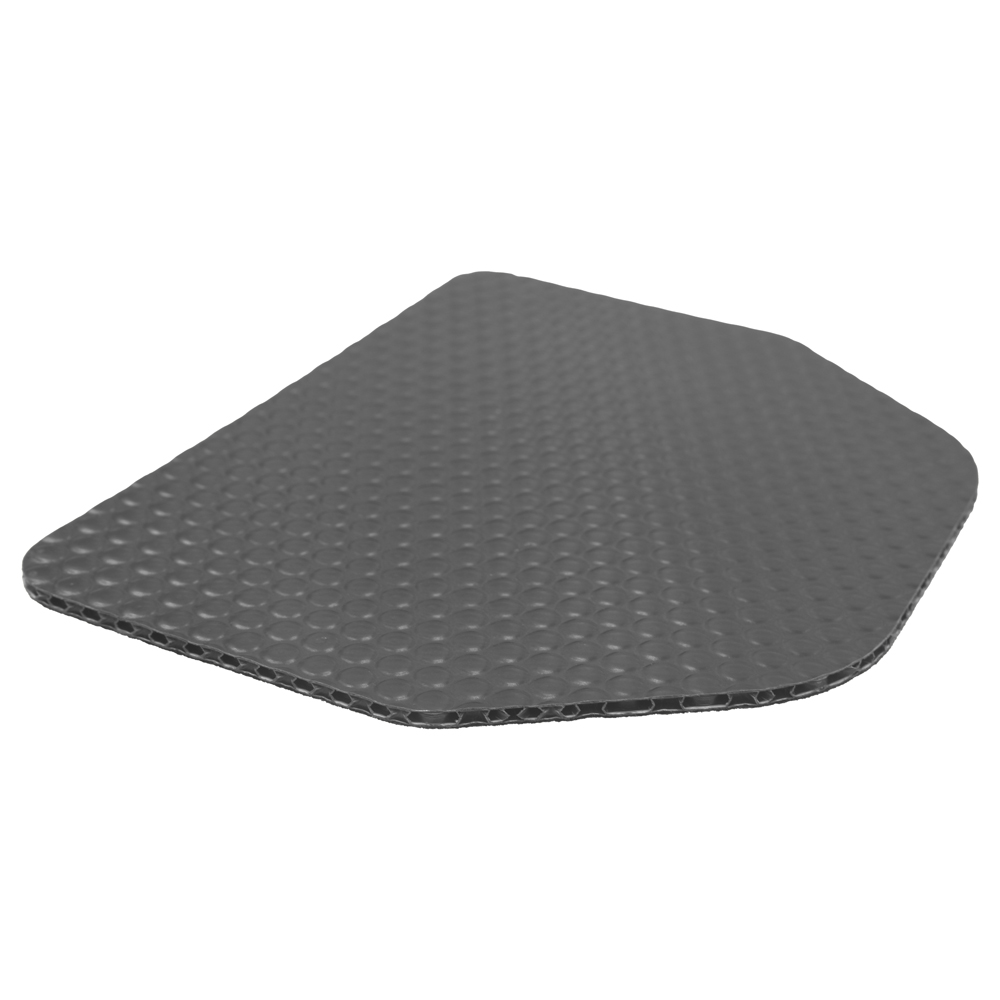
Veterinary floors face claws, chemicals, and heavy kit all at once, and left unguarded they quickly pick up operating-table moves, cage and kennel installation, trolley traffic. A purpose-made honeycomb protection board spreads point loads across its rigid cellular core, shrugs off knocks, and keeps what is underneath looking exactly as it did before work started.
Why Prevention Beats Repair
It is tempting to skip the cover to save an hour, but the arithmetic never works in your favour. Bear in mind that closing consulting rooms for floor repairs disrupts appointments and care. Set against the modest outlay for a roll or stack of polypropylene honeycomb sheet, prevention wins every single time.
Add in lost time, return visits, and the reputational dent, and the case for covering up becomes impossible to argue against.
Where This Approach Pays Off
You will see this method earning its keep across theatre upgrades, kennel-block installs, and consult-room refits. The principle never changes: get a rigid, well-fitted cover down early, keep the joins taped, and leave it in place until the messy work is genuinely finished.
A Simple Protection Routine
Begin by making sure you protect theatre and consult rooms first. Next, board kennel-install routes. Then use cleanable rigid covers. To finish, phase around the appointment book. Those few minutes at the outset prevent the overwhelming majority of avoidable damage.
Talk to the Surface-Protection Specialists
If you need dependable surface protection, Rulowin supplies PP honeycomb board cut to your dimensions and delivered to site. Speak to the team about the right thickness and surface finish for your particular job.