
Packaging obligations in supply contracts are usually a line at most, or nothing at all. Then a dispute arises about damaged spools, or a customer refuses to return empties, and there is no clause to point at.
You do not need much. Four or five sentences, in the right place, prevent most of it.
What goes wrong without it
- The customer sells the spools as scrap because nobody told them otherwise
- Empties accumulate because no return timeframe was agreed
- Damage arguments have no reference point for what condition was expected
- A change of spool becomes a change of specification nobody agreed to
- The customer assumes the packaging is included in the price, or that it is not
Clause one: what the packaging is and who owns it
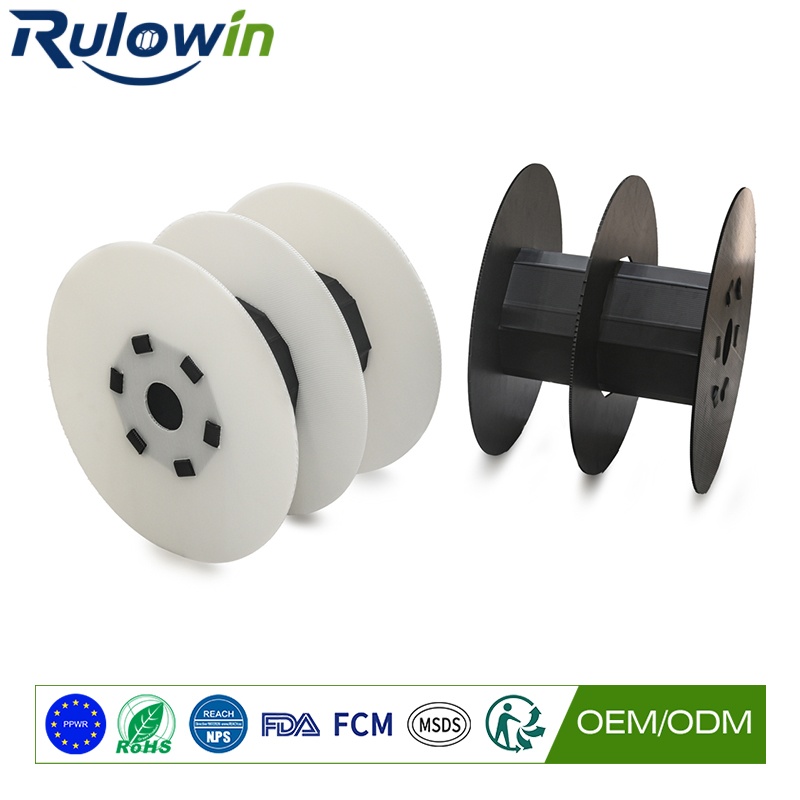
One sentence. Identify the type — reusable hollow board spool — and state ownership plainly. Whether it is yours, theirs, or transfers at some point. See our ownership models article for which arrangement you are actually describing.
Clause two: what the customer does with empties
The clause that gets omitted most often and causes the most loss. It should state:
- That empties are to be returned
- Within what period
- In what condition — reasonable wear accepted, structural damage not
- Who arranges and pays for collection
- What happens if they are not returned
That last one needs a consequence to have any force. A return obligation with no consequence is a preference.
Clause three: condition on receipt
Goods arrive, the spool is damaged, and there is a disagreement about when. A clause stating that damage must be notified within a defined period, with photographs, resolves most of these. The evidential side is covered in our photography article.
Without a notification window, damage gets reported weeks later and nobody can establish anything.
Clause four: change
If you change the spool — dimensions, construction, colour, return method — the customer should be told. This protects you as much as them: a silent change that affects their process becomes your problem even if the new spool is better.
Worth mirroring the change-notification obligation you should be placing on your own supplier, as described in our quality agreement article.
Clause five: what is included in the price
Say whether the packaging cost is included, charged separately, or deposited. Ambiguity here generates the most friction, because both parties will interpret it in their favour and both will feel reasonable doing so.
Wording notes
Things that help more than legal sophistication:
- Name the item. “Returnable packaging” is vague; “PP hollow board spool, 400 mm flange” is not.
- Use numbers, not adjectives. “Promptly” invites argument. “Within 30 days of emptying” does not.
- Put it where it will be read. A packaging clause buried in a schedule nobody reads is worse than no clause, because it creates false confidence.
- Reference it at onboarding. The clause works if whoever receives the first delivery knows about it.
What to do if the contract already exists
Do not reopen it for this. Add a short annex at the next natural opportunity — a price review, a specification change, a renewal. A one-page packaging annex is uncontentious and most customers will sign it without discussion.
The alternative, which also works: put the terms on the delivery note and have it signed. It is weaker than a contract clause and much better than nothing, and it has the advantage that the person receiving the goods actually sees it.
What we are not
We supply our hollow board spools; we are not going to draft your contract. But if you tell us what arrangement you are trying to document, we can tell you what we have seen work and what tends to be argued about — which is usually worth knowing before you commit the wording.