
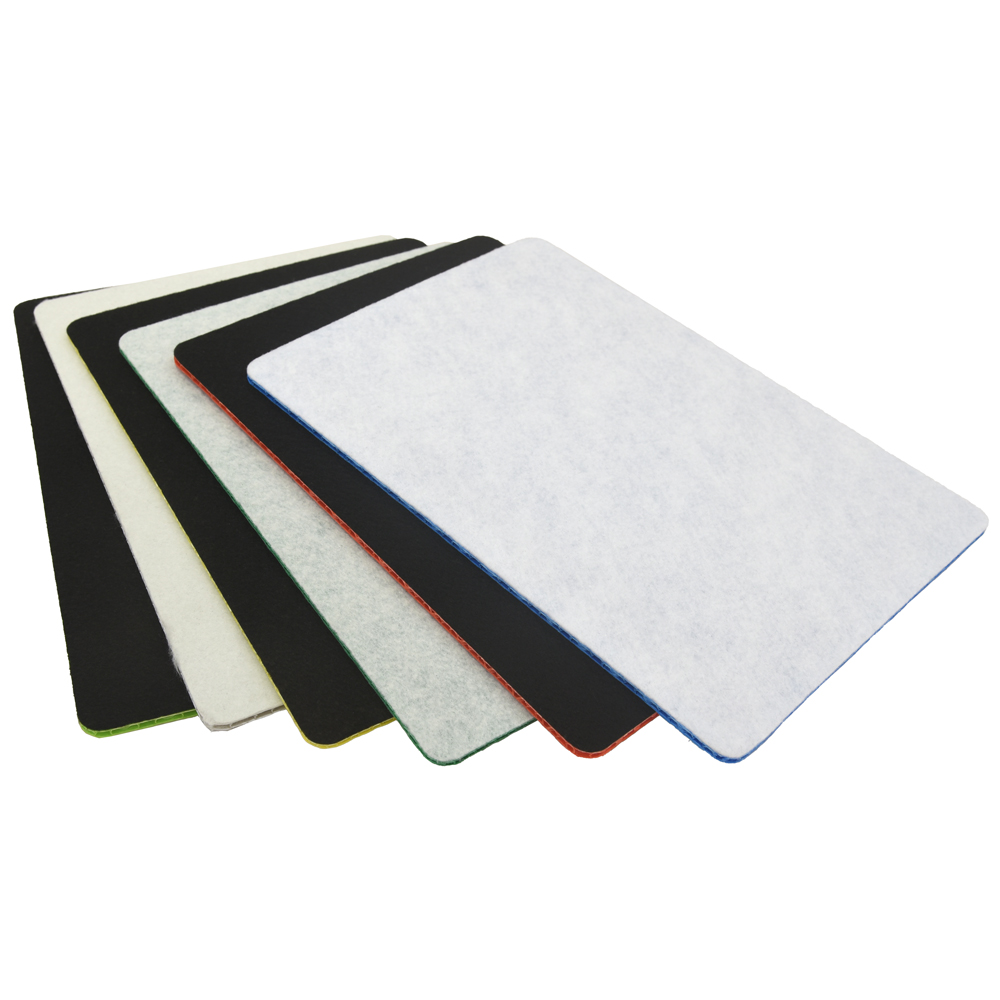
Temporary protection rarely appears as a sensible measured item in a tender. More often it sits in the preliminaries as a single figure nobody has looked at closely, which is fine until the programme extends and someone asks whether additional protection is a variation or included. Understanding the measurement helps both sides of that conversation.
Where protection normally sits
On most building contracts, protection of finished surfaces is a preliminary obligation rather than a measured work item, priced as a lump or spread across a period-related charge. That means extending the programme usually extends the cost, and adding an area adds cost that the original figure never contained. If you are the subcontractor, this is why the clarifications in your bid matter more than the rate.
How it gets quantified anyway
Where it is measured, it tends to be by area protected, by duration, or as a rate per square metre per week. Each favours a different delivery model. An area-based measure rewards installing once and well; a time-based measure rewards stripping early; a per-week rate can quietly penalise you for a client delay you did not cause. Read which one applies before pricing.
The clarifications worth writing
State what is included: number of installation and strip-out cycles, cleaning frequency, replacement during the works, and what happens if the protection is damaged by others. State what is excluded: making good, repairs to the substrate, and additional cycles arising from resequencing. Those six lines prevent most disputes.
Dayworks and variations
Additional protection requested after the original scope is normally recoverable, but only if the instruction trail exists. Photograph the area before and after, get the instruction in writing even if informally by email, and record labour and material separately. This is boring administrative work that decides whether a legitimate claim is paid. The record-keeping discipline is the same one described in keeping documentation that stands up.
Provisional sums and PC sums
Where protection is carried as a provisional or prime cost sum, the main contractor administers it and the actual supply cost is adjusted later. That means the specialist supplying it is effectively novated or nominated, and the commercial terms – payment, delivery, waste allowance – need agreeing at that point rather than assuming standard terms apply.
Waste allowance nobody prices
Cutting protection around columns, door openings and services generates offcuts that were not in the measured area. Ten per cent is a common allowance for complex layouts and can be double that where every panel is cut to a different shape. Put it in the rate rather than discovering it at final account.
Measurement traps worth reading for
Two recur. The first is whether area is measured once or per phase: a measured area charged once will not cover protection laid three times, and it is usually the subcontractor who absorbs the difference. The second is whether installation and removal are separate items or assumed inside supply – protection that arrives but whose installation labour sits nowhere in the contract belongs to nobody until it becomes a dispute.
If either is unclear at tender, qualify it. A one-line clarification costs nothing and is the cheapest insurance available in this category.
What we can do
We quote protection panels per square metre, per cut panel, or as a delivered package against a schedule, whichever suits how your job is measured. Send the bill of quantities page and we will price it in the same units, including a stated waste allowance rather than a hidden one.