
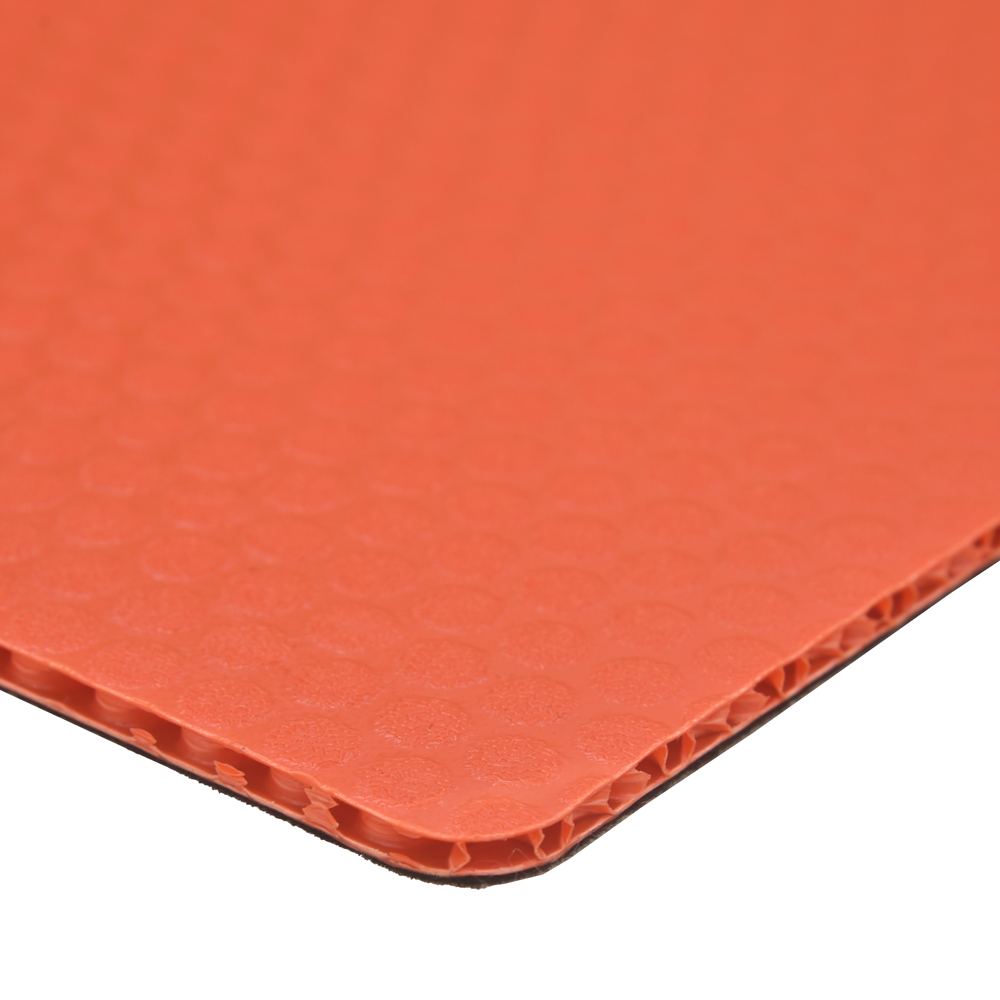
Reusable temporary protection is sold on the assumption that a panel laid on day one is still on site at handover. It usually is not. A proportion goes into the skip, a proportion goes into subcontractor vans, and a proportion is cut into offcuts that never get collected. The recovery rate decides whether the reusable option actually beat the disposable option, and very few contractors measure it.
What recovery rate means commercially
Take a job needing 2,000 square metres of protection over nine months. If panels survive four phases, the effective cost per square metre per month is roughly a quarter of the purchase price plus cleaning. At ninety per cent recovery per phase, that arithmetic works comfortably. At sixty per cent, the panel fleet is half gone by month five and the top-up order costs more than the disposable sheet would have.
Where the missing panels actually go
Rarely theft in the dramatic sense. Most losses are administrative: a package gets stripped out by a trade that was never told to stack it, an area is handed over early and the protection is cleared with the waste, or a follow-on contractor arrives and treats what is on the floor as their site consumable. Offcuts account for a surprising share – every cut panel produces a piece nobody owns.
Price the write-off allowance
Put the loss assumption in the order, not in the hope. A procurement team that expects eighty per cent recovery and gets sixty-five has not been let down by the product; it has been let down by its own estimate. Ask the supplier for the make-up rate they see on comparable jobs, then put a line in the preliminaries for top-up rather than absorbing it into unit price.
Getting them back
Three habits move the number more than any product feature. Colour-code by phase so a stray panel is visibly in the wrong area. Name one person per phase who owns the strip-out and the stacking. And agree a single collection point before the first panel is laid, because protection stacked in four different corners gets collected four times and fetched once. We have written more generally about the same counting discipline in floor protection on construction sites.
Second and third phase use
A honeycomb floor panel that has been walked on for a phase is usually structurally fine and cosmetically tired. Buyers reject reuse for appearance long before the panel stops working, which is worth knowing before you specify a white face sheet on a job that will be filthy in a fortnight. A mid-grey or a dark face hides a phase of service and keeps panels in the fleet.
When you should buy disposable instead
Short packages under about eight weeks, areas that will be cut to fit and never re-laid, and any panel that will be contaminated with adhesives, resins or paint are all poor reuse candidates. We will say so at enquiry stage. A reusable specification on a three-week strip-out usually loses money.
Setting a realistic recovery target
Targets copied from a hire company’s marketing material are usually optimistic. Ask instead what they see returned on comparable projects – similar trades mix, similar duration, similar site discipline – and take that as the working figure. Put it in the cost plan as written-off material rather than as an assumed saving, so anything recovered above it is upside rather than something already spent twice.
Review after the first strip-out. If the first phase returned noticeably less than the target, look at where before adjusting the number: a single zone or trade is usually responsible, and it is cheaper to address that than to accept the lower rate for the rest of the programme. Recovery is one of the inputs to cost per square metre per month, which is the comparison worth using.
What we can do
We supply PP honeycomb panels cut to size for floor protection, and we will quote the make-up quantity alongside the initial order so the recovery assumption is explicit. Tell us the phase lengths and whether you have a stripping labour allowance, and we will tell you honestly whether reuse pays on your programme.