
Every filter specification is a compromise between letting air through and taking material out of it. Those pull in opposite directions, and the mistake that causes most bad outcomes is not choosing the wrong point on the line – it is trying to be at both ends at once.
Why they conflict
Capture requires structure in the air path. Structure obstructs. A screen with a great deal of capture surface presents more obstruction and costs more pressure; a screen with very little costs almost nothing and catches very little. There is no geometry that escapes this, though good geometry improves the ratio.
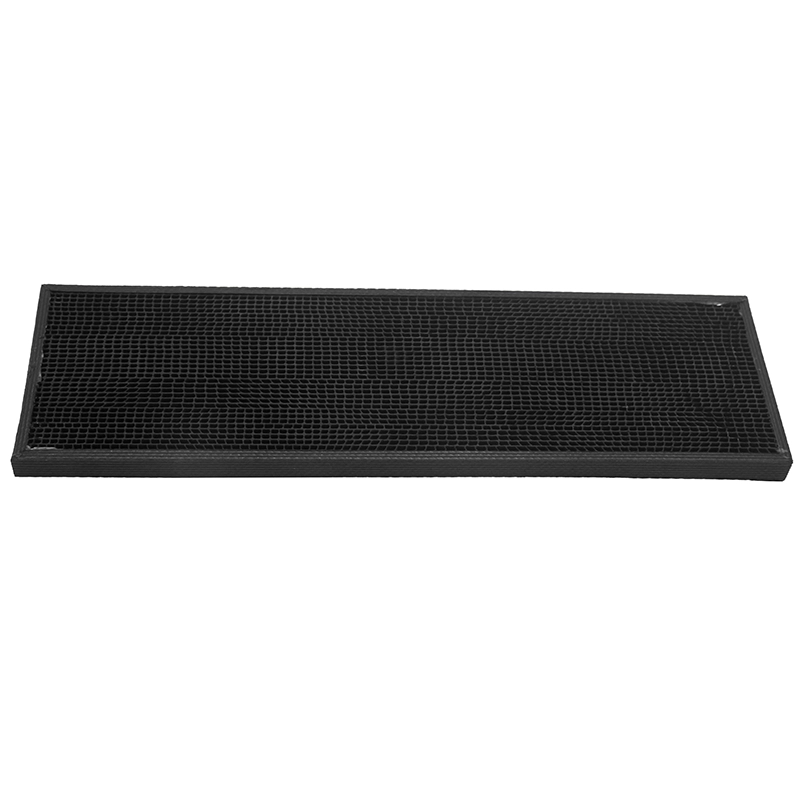
What good geometry does is raise the amount of capture obtained per unit of resistance. A honeycomb grid is a decent example: the cell walls present a large surface to air moving along them, while the cells themselves stay open, so the flow path does not close as quickly as it would in a mat of similar capture.
Choosing where to sit
Decide by asking what the stage is for. If it is protecting a downstream fine stage, the answer is high open area and low resistance – the fine stage does the capture, and the coarse stage’s only job is to take the mass cheaply. Sitting anywhere else on the line wastes pressure for capture that is not needed.
If the stage is the only filtration in the system, the balance moves toward capture, and the pressure cost has to be accepted. That is a legitimate choice, but it should be made deliberately rather than by buying a “better” screen and wondering why airflow dropped.
What happens when the two get mixed
The common failure is a coarse stage specified to a fine efficiency. It loads quickly because it is catching material it was never meant to hold, its resistance climbs, and the fine stage behind it barely benefits because most of what it was protecting against is now caught upstream anyway – at higher pressure cost than necessary.
The result is a system that costs more to run and is serviced more often, with no improvement in delivered air quality. It is a frequent outcome and it comes from a specification that asked one stage to do two jobs.
The geometry behind the trade-off is covered in open cell geometry.
Capture per unit of resistance
The comparison worth making between two candidate screens is not resistance alone or capture alone, but how much capture each gives for the pressure it costs. It is the only measure that reflects what a stage is actually for – taking out what it should take out, at a pressure cost the system can afford.
Geometry is where this is won. A structure that presents a lot of wall surface to air moving along it, while leaving the flow path open, gets more capture per pascal than one that obstructs the flow to achieve the same contact. This is the whole argument for honeycomb over a flat perforated sheet at equal open area.
When higher resistance is the right call
Where the stage is the only filtration and there is pressure margin available, spending it deliberately on capture is correct. The mistake is not spending pressure; the mistake is spending it without deciding to, which is what happens when a coarse stage is specified to do fine work and the pressure cost arrives as a surprise.
Decide the budget first, then choose where on the line to sit. Doing it the other way round produces most of the ventilation complaints that turn out to be specification errors.
What we can do
We supply high open area honeycomb filter media and ask what the stage is protecting before recommending a cell size. Tell us the airflow, what the air carries and what sits downstream, and we will tell you where on the line this stage should sit – including when the answer is a more open screen than you were about to specify.