
Understanding What’s at Stake
Conservatory floors and thresholds face a real beating during a conservatory build or refit. For conservatory installers and homeowners, the gap between handing over a flawless finish and footing a repair bill usually comes down to one decision made on day one: whether a proper rigid cover went down before the messy work began.
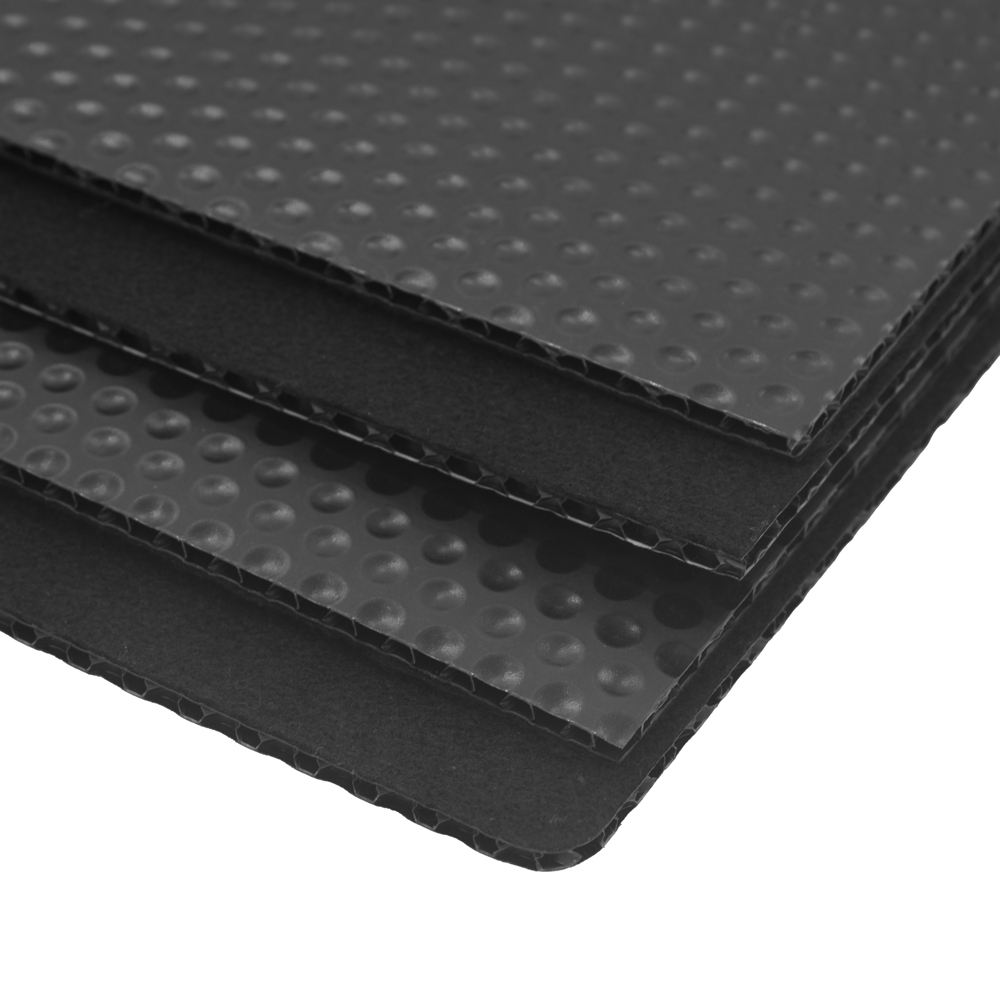
Conservatories bridge indoors and out, so mud and glass are constant threats, and left unguarded they quickly pick up frame and glass handling, tile and adhesive, tool drops. A purpose-made PP honeycomb protective sheet spreads point loads across its rigid cellular core, shrugs off knocks, and keeps what is underneath looking exactly as it did before work started.
Do the Maths on Protection
It is tempting to skip the cover to save an hour, but the arithmetic never works in your favour. Bear in mind that a cracked floor tile or scratched threshold spoils a bright new space. Set against the modest outlay for a roll or stack of honeycomb protection board, prevention wins every single time.
Add in lost time, return visits, and the reputational dent, and the case for covering up becomes impossible to argue against.
Installing the Cover Correctly
Getting it right takes minutes. Work through these steps in order:
- cover the floor before glazing
- board the garden access route
- protect the house threshold
- tape joins against slurry
Real-World Applications
You will see this method earning its keep across new-conservatory builds, roof replacements, and re-tiling projects. The principle never changes: get a rigid, well-fitted cover down early, keep the joins taped, and leave it in place until the messy work is genuinely finished.
The Usual Suspects
The usual culprits include frame and glass handling, tile and adhesive, tool drops, and mud from the garden. On their own each looks trivial, but together they account for the bulk of the call-backs and claims that conservatory installers and homeowners end up dealing with.
What Makes This Material Different
Unlike flimsy films or heavy plywood, plastic honeycomb panel hits a sweet spot. It is waterproof, will not rot or delaminate, resists chemicals, and can be wiped clean and reused across many jobs before being recycled at the end of its life.
Because the material is light and stackable, storing and moving it between phases or sites is effortless compared with timber alternatives.
Get the Right Protection for Your Project
Choosing the right board is easier with advice from people who make it. Rulowin offers PP honeycomb protective sheet across a wide thickness range with bespoke sizing, plus felt or anti-slip facings where extra grip is needed. Request a quotation today.