
When one packaging bid is materially cheaper than the others for what appears to be the same item, it is cheaper for a reason. Sometimes the reason is efficiency and you should take the bid. More often it is a difference you have not spotted yet. Four places to look, in order.
One: the specification
The most common cause. A lower grammage or density, a wider tolerance, a thinner wall, a different grade of resin. All legitimate products – just not the one you specified.
Check the numbers on the quote rather than the description. “Heavy duty” is not a specification, and two suppliers using the same phrase may mean very different thicknesses. If the quote does not state the number, ask for it before comparing.
Two: the quantity basis
The price may be for a larger quantity, a full container, or a minimum you did not ask for. Or the unit may differ – per sheet versus per square metre, per box versus per nested stack, ex-works versus delivered.
Normalise every bid to landed cost per usable unit before any comparison. Half of apparent price gaps disappear at this step.
Three: what is excluded
Freight, export packing, pallets, documentation, certification testing, tooling. A quote that excludes three of these will beat one that includes them and will lose the advantage on the invoice.
Ask for a list of what is not included. It is a reasonable question and the answer is usually given straightforwardly.
Four: the terms
Prepayment rather than terms, a shorter price validity, no commitment on lead time, no remedy for late delivery. Each of these has a cash or risk value and each is worth money to the supplier – which is why they can afford the lower price.
Convert them: what is thirty days of cash worth to you, and what does an uncommitted lead time cost if it slips twice.
The legitimate reason
Sometimes the cheap bid is simply from a supplier with a better process, a better resin position, or a tool already built for your size. That is a real advantage and you should take it.
You can tell the difference by asking what makes the price possible. A supplier with a genuine reason will tell you immediately and specifically – an existing tool, a standard size, a resin contract. Vagueness at this question usually means one of the first four.
Where cheap is genuinely fine
Single-use applications where the item is used once and performance requirements are modest. Non-critical layers, temporary protection, anything where failure is cheap and visible immediately. There is nothing wrong with buying the cheap option when the application does not need more.
The question that settles it
Ask the cheaper supplier what makes the price possible, and listen to whether the answer is specific. “We have a tool for that size already” and “we buy resin on contract” are real. “We are just more competitive” is not an answer, and it usually means one of the first four.
This question costs one email and it converts a suspicion into either a reason or a warning.
And the check afterwards
Measure the first delivery against the specification, and keep the result. A cheap supplier who delivers as specified is a cheap supplier worth keeping; one who does not is a decision you will revisit at the worst moment – and having the measurement makes that conversation short.
What we can do
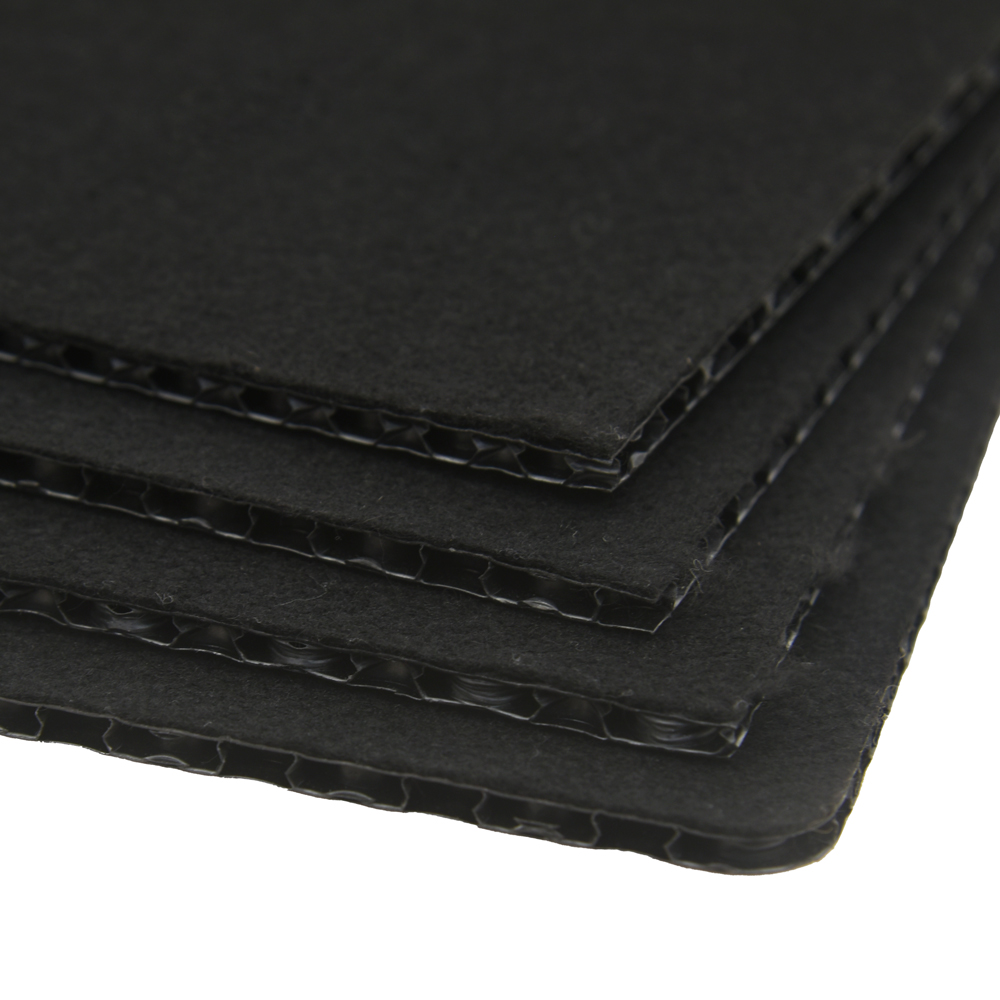
We supply PP honeycomb panels and will tell you what makes our price what it is – grade, density, tool, quantity basis – rather than defending a number. Send us a cheaper quote and we will tell you, honestly, where the difference is likely to be.