
Almost every returnable packaging case is decided by one number that is rarely quoted: the ratio of the volume a box takes up empty to the volume it takes up full. A ratio of one means the return leg costs the same as the outbound leg, and on a long lane that is enough to kill the project on its own.
The three ways to reduce return volume
Nesting, where one box drops inside another and the stack becomes shorter. Knock-down, where the box comes apart and travels flat. And a hybrid, where the walls fold but the base stays rigid, which is the most common answer because the base is the part that carries the load and the part hardest to make collapsible. All three work; the choice depends on how fast the box has to be rebuilt and how often.
The ratio you should ask for
Express it as boxes per pallet position, or as the height of a stack of ten empty boxes compared with the height of ten loaded ones. A good nesting box gets three or four to one; a flat-packing knock-down box can approach ten to one. The supplier should be able to state it, and if the number is not offered, it is usually because it is poor.
What nesting costs you
A nested stack has to be taken apart by hand, and the deeper the nest the harder the separation. A box with a small taper that nests to four to one and separates easily beats one that nests to seven to one and needs two people and a foot. Ask for a separation feature, a hand recess or a stop, and test it a hundred times.
What knock-down costs you
Time and small parts. A knock-down box has pins, clips or hinges, and those go missing or get dropped. Fasteners that stay attached to the panel, captive bolts and tethered pins all exist for this reason. If a knock-down box takes more than about a minute to rebuild, the plant will stop rebuilding it and the boxes will travel up.
Pins, hinges and hinges that break
The hinge is the wear point on a folding box. A continuous hinge is strong and collects dirt; a pin-and-socket arrangement is clean and loses pins. The practical answer is usually a pin that cannot be removed and a socket that can be cleared with a brush. Whatever the design, plan for replacing pins, and keep them as spares.
Damaged returns and the flat-stack advantage
Flat-packed boxes hide damage. A box that is squashed flat with a cracked base will be rebuilt and loaded before anyone notices. If the return process includes a glance at the base and the corners before stacking, that problem mostly disappears, and it costs a second per box. The checks are the same ones in retiring a box fleet.
Which lanes actually justify a folding box
Long lanes with expensive freight, monthly or more frequent shipments, and a partner who will rebuild the boxes properly at the far end. Where the return leg is short and your own driver brings the empties back, a rigid nesting box is usually simpler and just as cheap.
Who rebuilds the boxes, and whether they will
A knock-down box is only compact if somebody at the far end puts it back together properly. If the receiving team has no space, no time and no reason to care, the boxes will return as a pile of panels and the return ratio is lost. Naming a person and a place at the far end is as much part of the design as the hinge.
Where that cannot be arranged, a nesting box that needs no assembly is the safer choice even at a worse ratio. A four-to-one ratio that actually happens beats a ten-to-one ratio that depends on cooperation that does not exist.
What we can do
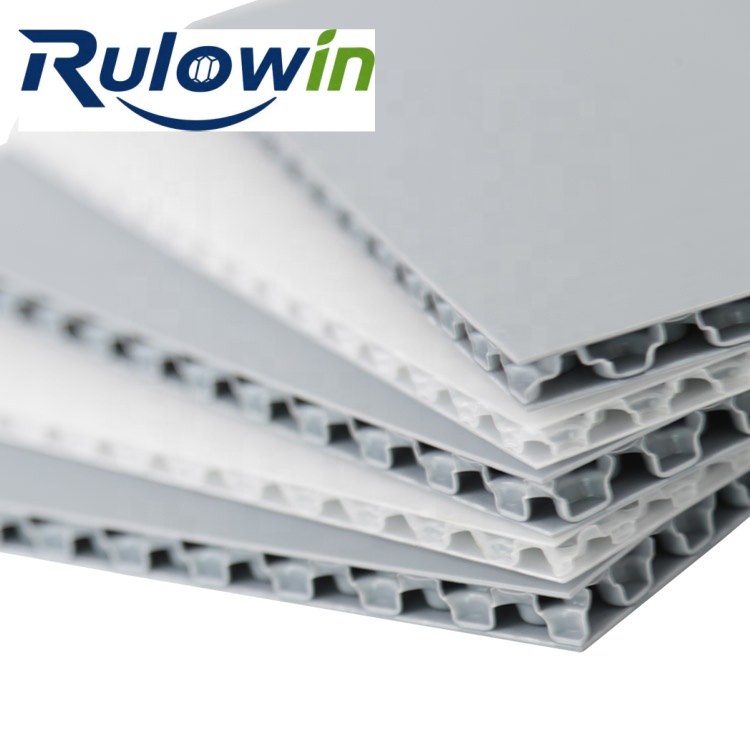
We build PP honeycomb board boxes in rigid, nesting and knock-down versions, and we will quote the return ratio alongside the box. Tell us the lane and the freight rate, and we will show you what the return leg does to the case.