
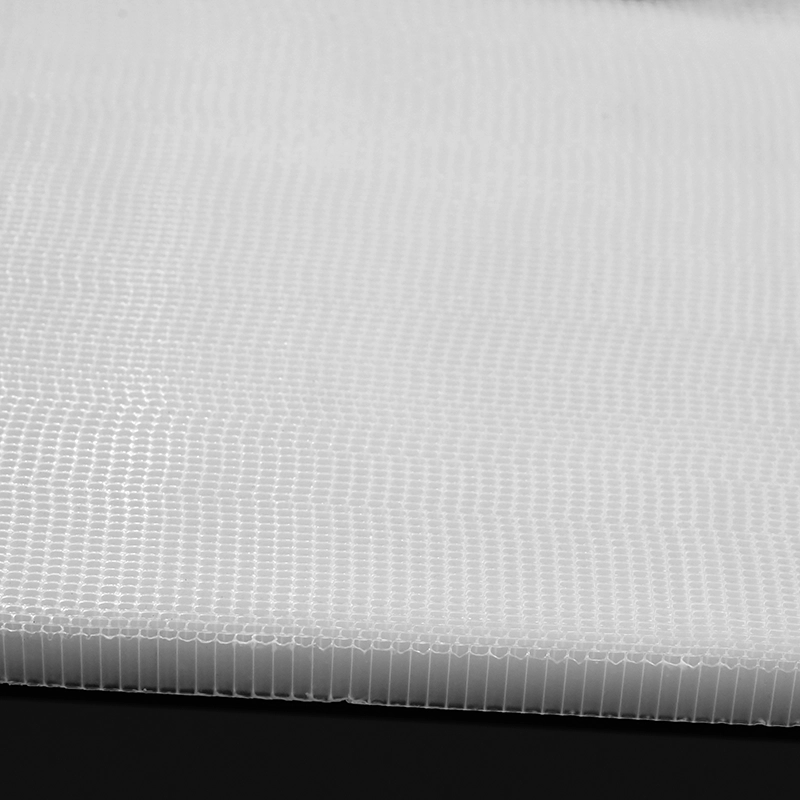
A fresh air intake is the least protected opening in a building’s air path and the one that sees the widest range of material. Sizing a screen for it on dust alone is the usual mistake: the things that actually block an intake are rarely dust.
What arrives at an intake
In rough order of nuisance: insects, which arrive in numbers and in clusters; seed and leaf debris, seasonal and heavy where there is vegetation; wind-driven rain; bird nesting material near ledges and rooftop units; and then dust, which for most sites is the smallest part of the loading by mass.
The consequence is that intake screening is a coarse, high-capacity job. A fine screen at an intake clogs in weeks and, because intakes are often hard to reach, stays clogged. Coarse and cleanable beats fine and disposable almost every time.
Airflow first
An intake screen sits on the outside of the pressure boundary and feeds the whole system. Resistance there is felt by the supply fan and is paid for continuously. Because intake face areas are usually generous – louvres and weather hoods are large – face velocity is low and a moderately open screen costs very little pressure. That is the advantage to use.
Where it goes wrong is a screen added inside a duct or immediately behind a small grille, where face area is small and the same material becomes a real restriction. Location matters as much as the media.
Rain and the drainage question
An exterior screen will get wet. Anything that holds water at the intake becomes a place for biological growth, and the smell will be noticed indoors within days. A screen that drains freely and dries quickly is worth more than one with marginally better capture.
Polypropylene helps here for a reason that is easy to overlook: it does not absorb water and it does not corrode. A metal mesh at a coastal intake rusts within a couple of years, and the rust becomes part of the loading problem.
Cleaning access
Decide how it will be cleaned before choosing it. A roof-mounted intake behind a fixed louvre that needs tools to open will not be cleaned as often as it should be, regardless of what the screen is made of. Hinged or clip-fixed access makes a washable screen viable; a sealed arrangement makes it a fit-and-forget item, and those end badly.
Birds, insects and nest material
Birds are the reason many intakes get screened at all, and they defeat screens more often than expected. They nest against the outside of a screen where it is sheltered, the nest blocks part of the face, and the intake runs restricted for a season. Screening that is flush with the wall gives them somewhere to build; a sloping or stand-off arrangement gives them less.
Insect loading is different – it arrives continuously and in volume during a hatch. A coarse screen handles the bodies fine, but they mat with dust into a layer that does not rinse off easily. Where insect loading is heavy, expect to brush as well as rinse. Mesh aperture for bird exclusion is a separate requirement from filtration and usually needs its own coarse grid outside the filter screen.
What we can do
We supply low-resistance PP honeycomb pre-filters for fresh air systems, cut to the intake aperture and sized for the airflow. Tell us the face area, the airflow and what the intake actually sees – insects, seed, salt air – and we will recommend an open area that does not become the restriction.