
Why Brewery And Distillery Floors Need Proper Protection
Ask any seasoned contractor where budgets quietly leak and they will point at damaged finishes. During a production-space refit, brewery and distillery floors are exposed to vessel and keg moves, cask traffic, caustic and acid wash-downs — and once marked, they rarely come back to perfect without real expense.
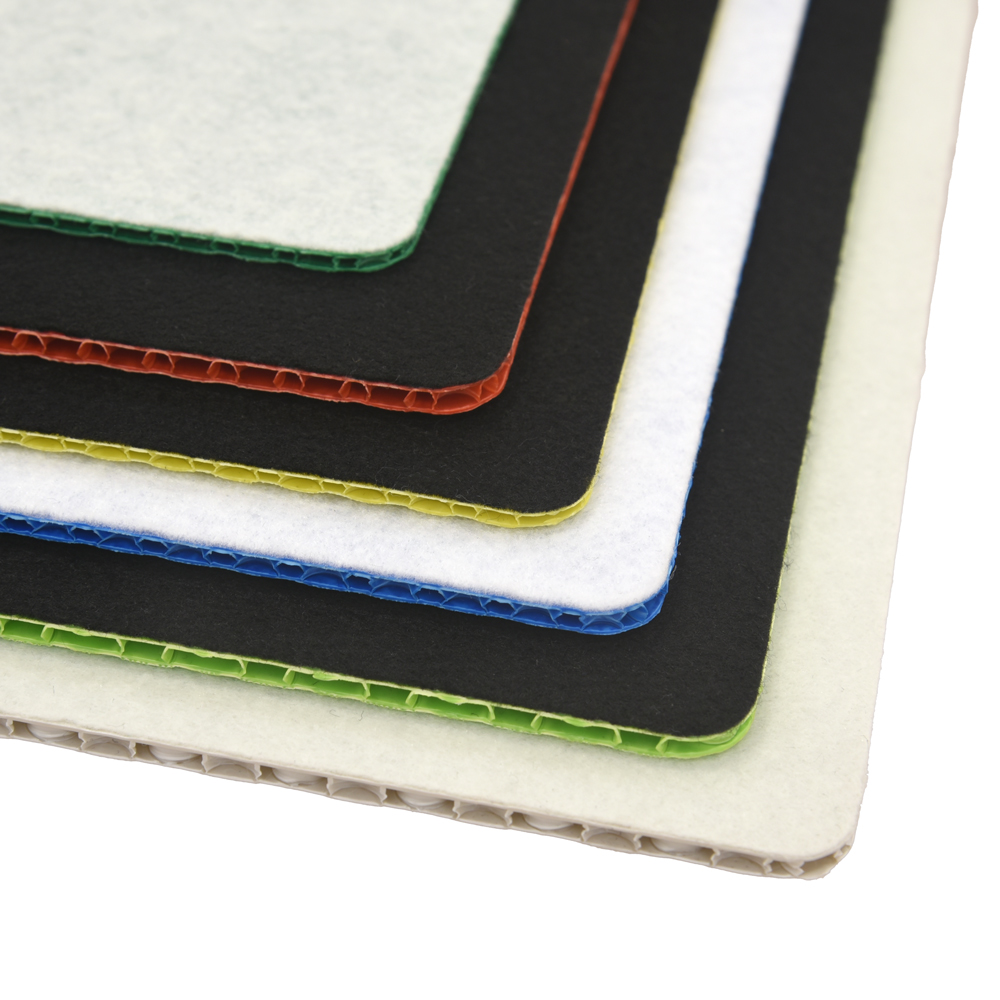
Brewery floors endure weight, moisture, and aggressive cleaning chemicals together, and left unguarded they quickly pick up vessel and keg moves, cask traffic, caustic and acid wash-downs. A purpose-made twin-wall PP honeycomb board spreads point loads across its rigid cellular core, shrugs off knocks, and keeps what is underneath looking exactly as it did before work started.
Getting the Cover Down Right
A careful routine makes all the difference. Here is the method we recommend:
- cover around vessel installs
- board keg routes
- use chemical-resistant rigid covers
- tape joins against wash-down water
The True Cost of Getting It Wrong
Here is the uncomfortable maths. A damaged resin floor in a brewery traps moisture and breeds hygiene problems. A few sheets of twin-wall PP honeycomb board cost a fraction of that and take minutes to lay — the return on that tiny effort is enormous.
The direct bill is only part of the story. Rework pulls labour off the next task, pushes other trades back, and can sour an otherwise smooth job.
What Makes This Material Different
Not every cover performs the same. A dust sheet stops splashes but does nothing against a dropped tool, and loose hardboard slides around and leaves gaps. A PP honeycomb panel pairs a high strength-to-weight ratio with a crush-resistant cellular core, so it absorbs knocks from vessel and keg moves, cask traffic without letting a mark reach the surface below.
Boards can be trimmed to size on site with a standard blade, taped at the seams, and lifted just as fast when the work is done — no specialist kit required.
Typical Damage Risks on Site
Most of the damage we get called about could have been predicted. It usually comes down to:
- vessel and keg moves
- cask traffic
- caustic and acid wash-downs
- stainless-equipment drags
Real-World Applications
You will see this method earning its keep across fermenter installations, kegging-line upgrades, and taproom refits. The principle never changes: get a rigid, well-fitted cover down early, keep the joins taped, and leave it in place until the messy work is genuinely finished.
Choosing the Right Protection Board
Rulowin manufactures PP honeycomb protective sheet in thicknesses from 3mm to 20mm, with custom sizes and optional felt, anti-slip, or fabric surface layers. Whether you are covering a single room or an entire estate, the team can quote quickly and send a free sample on request.