
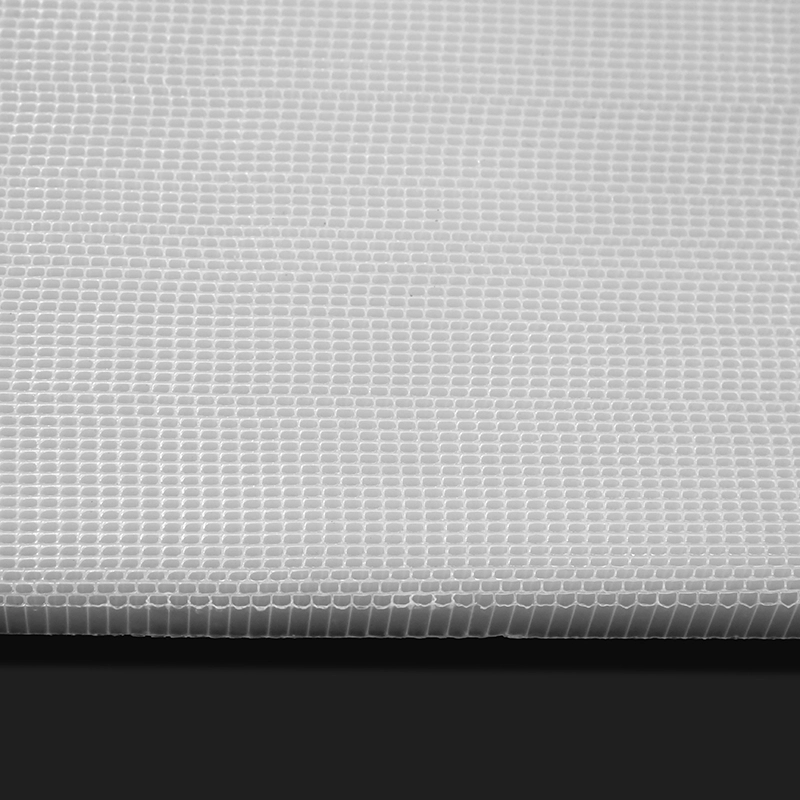
High volume air systems – large fresh air plant, evaporative cooling, ventilation in agricultural and industrial buildings – have one characteristic that changes how filtration should be specified: they move enormous quantities of air continuously. Any resistance in the path is paid for every hour of every day, and the coarse stage is where that cost is usually created.
Why volume changes the calculation
At high volume, face velocity is the controlling variable. Because resistance rises steeply with velocity, a small reduction in effective face area has an outsized effect. Systems like these are usually designed with generous faces and modest pressures, which means there is little margin to spend on filtration.
The practical consequence: at high volume, a stage with slightly lower capture and substantially lower resistance is almost always the better choice. The fine work belongs downstream, or is not required at all.
Where the resistance usually comes from
Rarely the media itself when new. It comes from undersized faces – a filter fitted into a duct cross-section rather than a plenum; from screens placed where air arrives unevenly; and from loading, particularly where the loading is organic and mats down rather than sitting on the surface.
Uneven arrival is worth checking. A screen close behind a bend or a damper sees a concentrated jet over part of its face and works at a locally much higher velocity than the average suggests. Relocating it a few duct diameters downstream often costs nothing and restores the intended performance.
What to specify
Open area as a stated number. Clean pressure drop at your face velocity, not a catalogue figure. And the drop as it loads, which is the number that determines what the stage costs you over a service interval. Suppliers who quote only the first are giving you part of the picture.
Why volume dominates
Fan power rises steeply with the volume moved, and resistance in the path is what the fan has to overcome to move it. At high volume both effects are large, so a small increase in resistance costs more than the same increase in a low-volume system. This is why high-volume plant is usually designed with generous filter faces and modest pressures – and why there is typically little margin to spend.
The corollary is that face area is the variable with the most effect available. Doubling the face area halves the face velocity, which reduces resistance by more than half, and it also doubles the interval between washes. On high-volume systems, almost every problem is improved by more face.
Practical steps, in order
Check that air arrives at the screen evenly – move it away from bends and dampers if it does not. Increase face area where the housing allows. Choose a geometry chosen for low resistance as it loads, not just when clean. And set the service point from a pressure reading rather than a date, because at high volume a loaded screen costs more per day than a clean one costs to install.
Where the losses hide
In high-volume systems the filtration rarely causes the biggest loss. Poorly arranged ductwork, a screen mounted close behind a bend, and undersized grilles typically cost more between them than the filter does – and they are invisible because nobody measures them.
Before spending on better filter geometry, check the obvious: is air arriving at the screen evenly, is there a straight run upstream, and is anything else in the path obstructing? These cost nothing to fix and often deliver more than a change of media would.
What we can do
We supply high open area honeycomb filters for high volume duty, and quote clean and loaded pressure drop at your face velocity. Tell us the airflow, the face area and the hours of operation, and we will tell you what the stage will cost to run.