
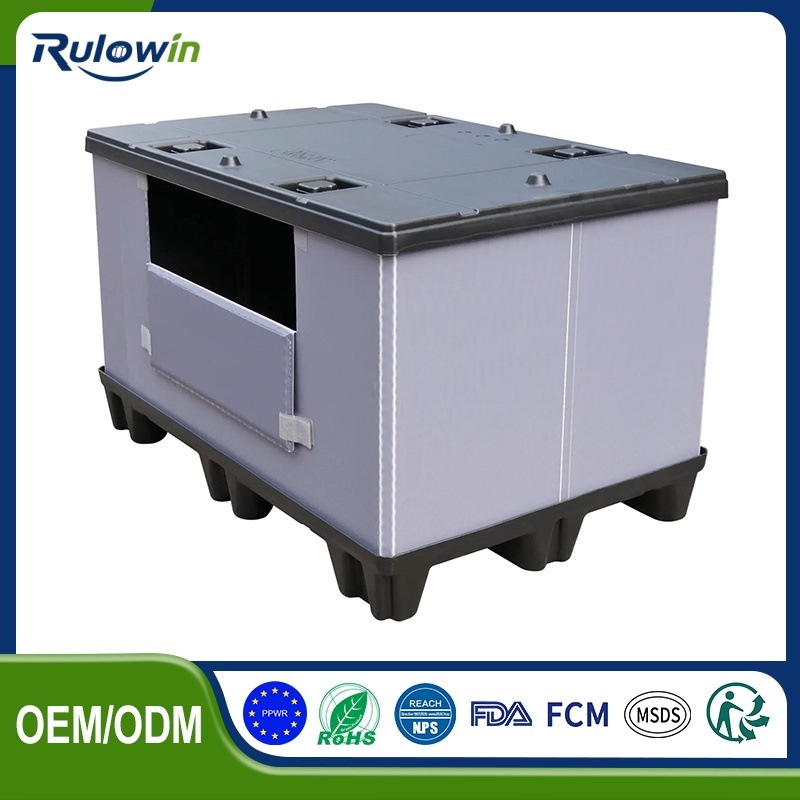
The first box off a new design is the most valuable object in the project, and it is usually the one that gets the least attention. It is checked for size, loaded once, and approved. That is a missed opportunity, because everything after it is either identical or a costly exception.
What to check before loading anything
Internal dimensions against the part, external dimensions against the pallet or the trolley, weight, and whether the box sits flat on a level floor without rocking. Then the squareness of the opening, measured across the diagonals, because that number predicts how the box will stack for the rest of its life.
Load it, then leave it
Load the first article to its rated weight and leave it loaded for a week in the position it will occupy in service, including under a stack if it will be in the bottom position. Then measure the deflection of the base and check the top opening for squareness again. Almost every design error in a box shows up in this test and almost none shows up in an unloaded inspection.
Cycle it, not just load it
Fifty load and unload cycles with the real part, by the operator who will do it in service. Time the cycle. If the first article takes noticeably longer than the estimate, that will be the number that matters in the fleet, and it can usually still be changed at this stage by moving a retaining feature.
Drop it on a corner
A controlled drop from a modest height onto a bottom corner, with the box empty, tells you how the corner behaves and whether the reinforcement is where the damage actually lands. This is the test that catches the difference between a box designed by a panel supplier and a box designed by someone who has watched them get damaged.
Check the spares fit
Fit a replacement pin, a replacement corner block and a replacement pad while the box is in front of you. If any of them need tools or persuasion, the design has a maintenance problem that will show up hundreds of times, and it is trivial to fix now.
Then photograph it
Photograph the first article loaded, empty, flat-packed for return and with each spares item fitted. That set of images is the reference for every dispute for the next five years, and it takes ten minutes. Most sites have no reference photographs at all, which is why every subsequent argument about whether a box has been changed is settled by opinion.
Approving in writing
A signed sheet with the drawing revision, the measured numbers, the test results and the photographs. It takes an hour and it is the difference between a supplier who can be held to a design and one who cannot. When the fleet is replaced in three years, that sheet is the starting point for the next specification.
Who signs, and what they are signing
The approval should be signed by the person who owns the process, not by the person who placed the order. A loaded, cycled and photographed first article signed by the line supervisor is worth more than a size check signed by purchasing, because the line is the function that will live with the consequences for the next five years.
Get the supplier to sign the same sheet. It converts a set of measurements into an agreed specification, and it makes the conversation about a later change straightforward: either the change is documented against the revision, or it is a deviation. Without a signed sheet, every subsequent difference becomes a matter of recollection.
What we can do
We build PP honeycomb board boxes and will run a first article for you with the load, squareness and spares checks included, and supply the measurements against the drawing. Ask for the approval sheet with the sample.