
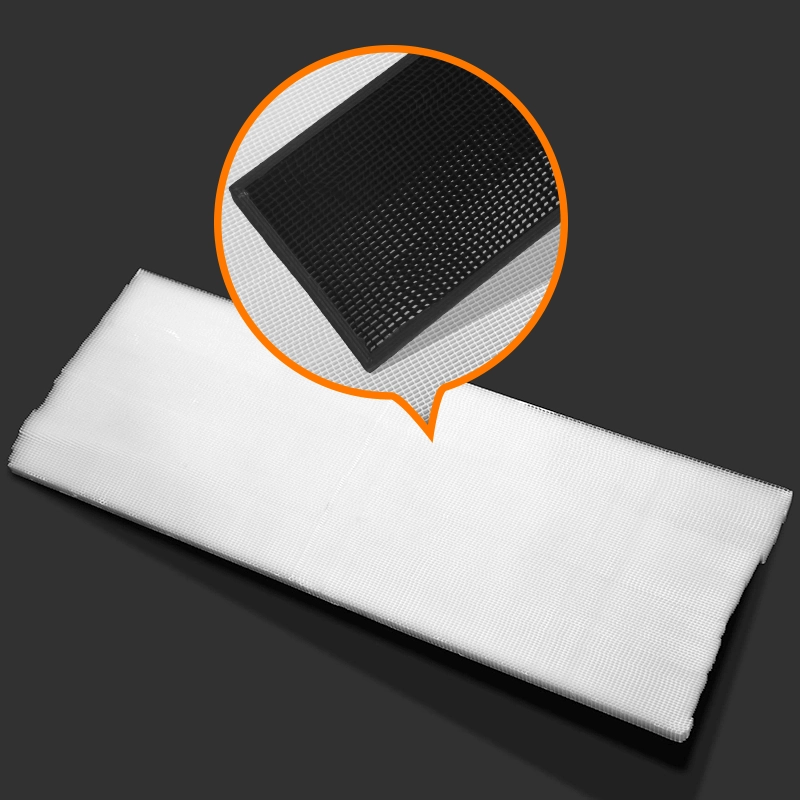
A washable filter screen is a promise about the second and hundredth wash, not the first. The media captures dust; the wash removes it; and whether the screen comes back to its original pressure drop decides whether the washable idea is saving money or just moving it to the labour budget.
Most disappointing results come from the wash method rather than the media. Here is what works, and how to tell when a screen is genuinely finished.
Method, in order of effectiveness
Rinse from the clean side
Dust loads on the dirty face and embeds slightly into the cell openings. Rinsing from the clean side pushes it deeper; rinsing from the dirty side pushes it out the way it came. Flow direction matters more than pressure, and a moderate flow from the dirty face does most of the work before any brush is involved.
Soak before scrubbing
Greasy and sticky loads — kitchen extraction, machining mist, urban dust with combustion particles — do not come out with water alone. A short soak in warm water with a mild detergent softens the load so it releases rather than smears. Strong chemistry is rarely necessary and shortens media life; time does most of the work.
Brush gently, across the cells
A soft brush across the face, following the cell direction rather than scrubbing across it, clears what the rinse missed. Hard brushing and stiff bristles damage the cell walls at the face, which is where the media’s open area lives. A damaged face raises pressure drop permanently.
Pressure washing: with limits
Fan pattern, moderate distance, low pressure, from the dirty face. A narrow jet at close range will cut through cell walls and deform the screen. If a pressure washer is the only option, use the widest fan and keep the distance generous.
Water temperature and chemistry
Polypropylene tolerates warm water comfortably and is unaffected by mild detergent. Hot water near the top of the material’s range is unnecessary for cleaning and risks warping the screen under its own weight — a warped screen will not seat in its frame and air will bypass it.
Avoid solvents and strong oxidising cleaners unless the media has been specified for them. Chlorine at dosing levels is generally fine; concentrated products left to dwell are not.
Drying properly
A wet screen reinstated into service carries water into the airflow, and a damp screen loads faster because dust sticks to the moisture. Drying matters more than most people expect:
- Drain vertically, dirty face down
- Air dry in a warm, moving-air space; do not oven-dry at high temperature and do not leave in direct sun
- Allow enough time that the cell walls are dry, not just the face — a screen that feels dry on the surface can hold water in the structure for hours
Measuring whether the wash worked
The only objective test is pressure drop across the screen at a known airflow. Log it when new, after each wash, and at replacement. Two patterns tell you everything:
- Pressure drop returns close to clean after each wash — the method works; extend the interval cautiously until loading data tells you the optimum.
- Clean pressure drop creeps up over successive washes — the method is not removing everything, or the media is being damaged. Change the method before changing the media.
When to retire a screen
- Clean pressure drop stays above its original figure after a proper wash
- Visible cell damage at the face — flattened, torn or permanently deformed cells
- Warping that stops it seating in the frame, letting air bypass
- Embedded contamination that no longer responds to a soak
- In greasy service, a sticky residue that re-loads within days
Retiring on evidence rather than on a calendar is the whole point of washable media: the screen tells you when it is done, and the pressure reading is how it tells you.
If you tell us the application, the dust type and your current wash method, we can suggest adjustments — or confirm that the media you have is simply past it.