
In a medical or pharmaceutical supply chain, a returnable box is a piece of equipment that has to be controlled. The engineering is often straightforward. What takes the time is proving the box behaves the same way every time and being able to show it.
What the auditor actually asks
Four questions, usually. How is the box cleaned and how do you know? How do you show that a box used today is the same as one used last year? What happens to a damaged box? And what is the traceability of the box itself? Notice that none of them is about load capacity.
Change control starts at design freeze
Once a container is validated on a route, any change to it is a change to the process. That makes the first design more important than usual, and it makes a supplier’s willingness to freeze a specification, document it and not quietly improve the tooling a real commercial issue. Ask for a drawing revision and a commitment that the revision will not move.
Cleaning validation
Cleaning has to be demonstrated, not asserted. That generally means a defined procedure, a defined agent, a defined contact time, and a documented check that the box comes out clean. If the box is washed in a machine, the load pattern in the machine matters as much as the chemistry, because a box that shields another box will not be clean. Design for wash access and the validation gets easier.
Traceability without heavy systems
Box-level identification with a durable printed number, plus a cleaning record per batch, covers most requirements. Radio tags are appropriate where the fleet is large or the route complex, and they add a reader infrastructure cost that a small fleet rarely justifies. Start with a number that cannot come off.
Materials and documentation
Material declarations, food-contact or biocompatibility statements, and statements on restricted substances are normal requests. Polypropylene is well understood, and the complications come from additives, colours and inks rather than from the resin. Ask early, because a colour change late in a project can invalidate a material statement.
Damage, quarantine and the disposal path
A damaged box in a regulated route cannot simply be used until it fails. There has to be a defined out-of-service condition, a quarantine location and a documented scrap route. This is rarely designed in, and it is the first thing an auditor will ask about when they see a damaged box in a corridor. The accept, repair, scrap discipline from retiring a box fleet is the starting point.
The cleaning interval and fleet size
If a box must be cleaned between uses, the fleet size is set by the cleaning cycle time, not by the volume. Get that arithmetic wrong and the fleet is twenty per cent short, which shows up as improvised cardboard in a controlled area. Model the cleaning loop before ordering.
The first meeting to have
Before discussing a box, ask who owns validation on the receiving side and what they will require. In regulated routes that conversation determines the entire project: whether a drawing has to be frozen, whether cleaning needs to be validated rather than described, and whether the box needs a unique identifier. Getting those answers early costs one meeting and saves a redesign.
It is also worth establishing what the customer will accept as a compliant container and what they will not, because their internal rule is usually stricter than the standard. A box that satisfies the regulation and fails the customer’s own list is a wasted tooling order, and the only way to know in advance is to ask their quality team directly rather than to infer from the standard.
What we can do
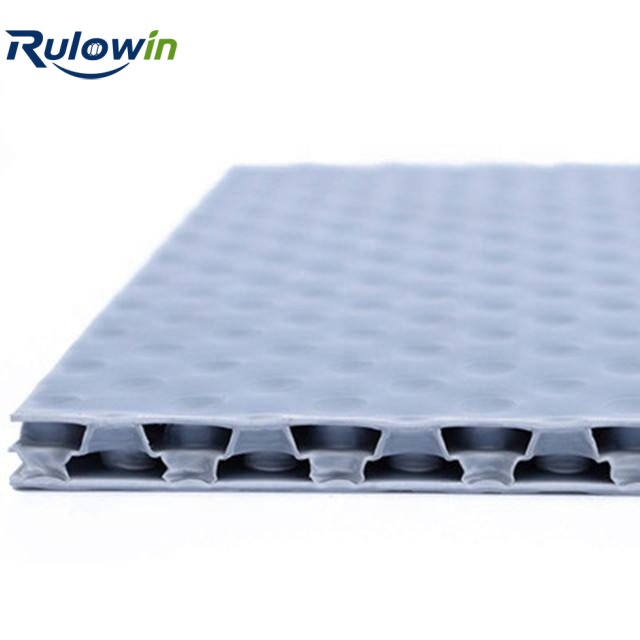
We build PP honeycomb board boxes with frozen drawings, revision control, durable box numbering and washable geometry for regulated routes. Tell us the validation requirement and we will supply the documentation alongside the box.