
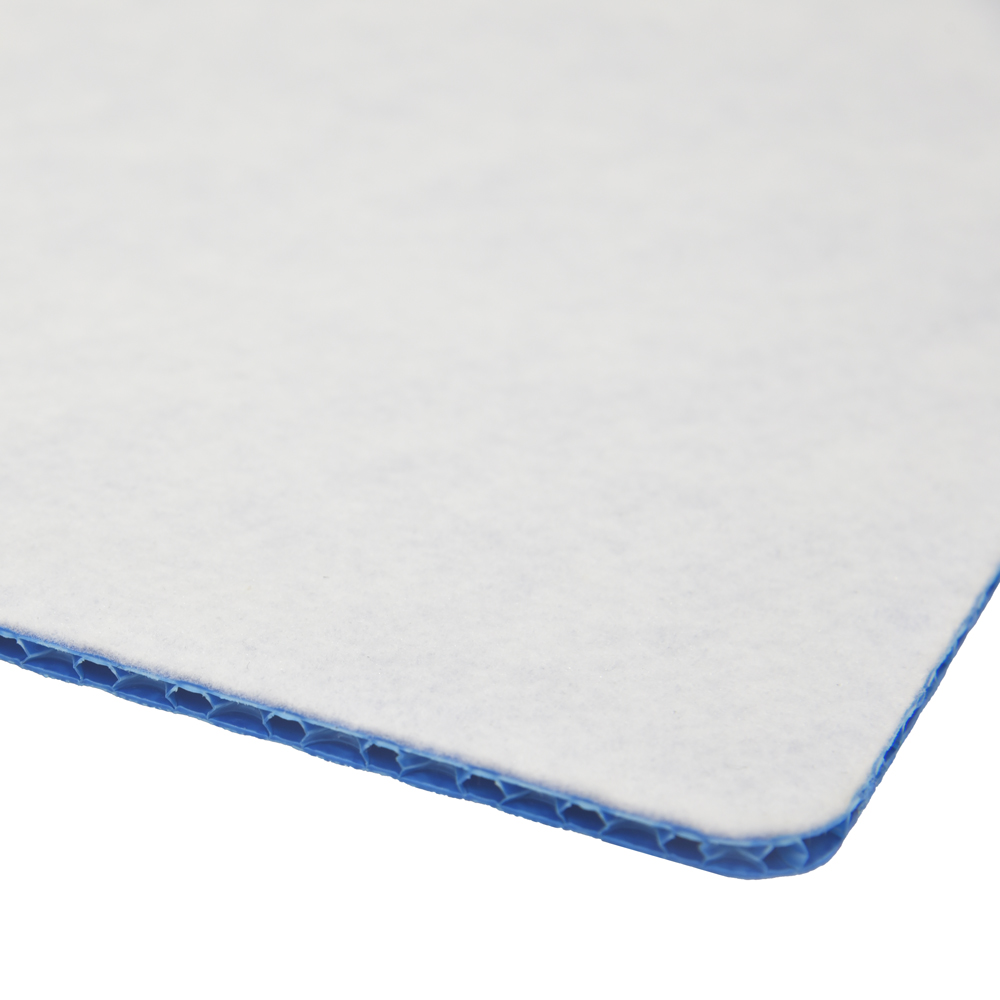
Temporary protection sits in an awkward gap: too small to warrant its own package, large enough to generate accidents and complaints. In practice it gets installed under a general site method statement that says nothing useful about it, so each installer improvises. A one-page specific document fixes most of that.
What actually goes wrong
Manual handling injuries lifting large panels, particularly through doorways and down stairs. Cuts from sharp cut edges. Trip incidents on lifted joints. And damage to finishes because someone used the wrong adhesive – which is a quality problem rather than a safety one, but ends in the same place.
Keep it one page
A protection method statement should cover: sequence, panels sizes and weights, manual handling expectation, cutting method, edge treatment, joint treatment, inspection frequency and who owns it. Anything longer stops being read, which defeats the purpose. Site teams read one page; they skim four.
Manual handling honestly
A large panel is light but awkward, and awkward loads through doorways cause strains. Either specify panel sizes two people can carry comfortably, or specify a handling aid. Where access forces large sizes, say so in the document and name the control rather than relying on care.
Cutting and edges
Panels cut on site have sharp edges and produce dust and offcut trip hazards. State where cutting happens, what tool is used, and that offcuts are cleared the same day rather than accumulating. Simple, but it is the most commonly breached item because it is the most tedious.
Inspection regime
Nominate a person and a frequency – usually weekly – to walk routes and log lifted joints, damaged edges and wet accumulations. Include a line for photographic evidence. Weekly five-minute walks generate more useful records than any amount of paperwork written before the works start.
Interface with other trades
Protection gets damaged by trades who were not told it existed. Include a sentence requiring other trades to notify before lifting or cutting, and state who reinstates it. This single sentence reduces re-protection work substantially on busy multi-trade sites.
Review rather than file
The document should be reviewed when the traffic changes – new trade, new route, changed programme. Filing it at the start and never looking at it again is how method statements become evidence against you rather than for you.
What to put in the toolbox talk
Three points, delivered in two minutes, cover most incidents: lift panels rather than drag them, clear offcuts the same day, and report lifted joints rather than stepping over them. Those three are behavioural, they are the ones that actually cause harm, and they do not need a document to communicate.
Deliver the talk at each new phase rather than once at the start. Half the workforce changes between phases on most projects, and the people who most need to hear it are rarely the ones present at induction.
Review triggers worth writing in
Name the events that force a review: a new trade starting, a route change, damage being reported twice in the same area, or a delay shifting phases. Written triggers mean the document actually gets revisited; without them it stays on file, which is worse than not having written it at all. The finding that comes up most often is the one described in joints that are not trip hazards.
What we can do
We can supply protection panels cut to sizes that suit two-person handling, which removes the most common manual handling issue at source. Tell us your access constraints and we will size the delivery accordingly rather than shipping standard sheets.