
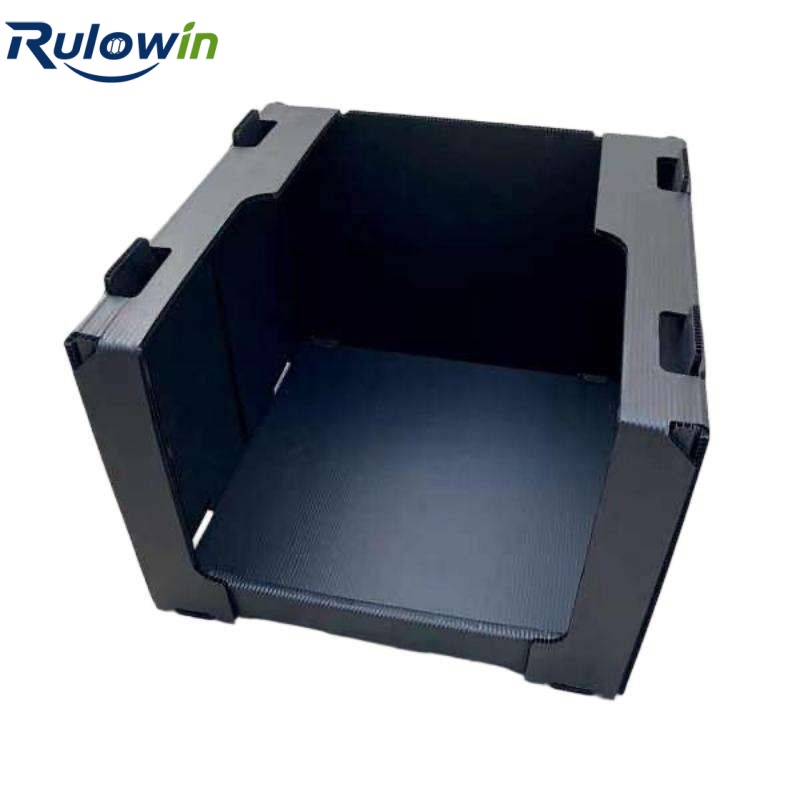
A pick-to-light bench presents parts in fixed locations and expects the operator to put what they pick into the right tote. The equipment does not measure the tote. It assumes the tote is where it was last cycle, and any variation in how totes sit becomes mis-picks.
Consistency beats precision
A tote that is consistently two millimetres wider than nominal is harmless. A tote that varies fifteen millimetres either way across the fleet is a constant source of mis-presentation, because the operator reaches for a location and the geometry has shifted.
So specify variation within a batch, not just nominal dimensions. Most complaint calls about pick accuracy turn out to be fleet variation rather than the tolerance on the drawing.
Where presentation variance comes from
Three sources: manufacturing spread, deformation in service, and deformation in storage. Manufacturing spread is the controllable part. Service deformation comes from overloading and from dropping. Storage deformation – picking boxes stored stacked high under load in a warm area – is the one nobody accounts for and it can be the largest of the three.
Totes that have taken a permanent set will never present correctly, however good they were when new.
The rim does the locating
Most presentation systems locate on the rim or on a defined feature near the top of the tote, which means the rim geometry matters more than the base. Developments that concern engineers about base flatness often miss this. Check what the equipment actually contacts and specify tolerance there.
Light paths and colour
Pick-to-light uses indicator lights that must be visible past the tote wall and contents. Highly transparent or very light-coloured walls bleed light between adjacent locations, which causes exactly the errors the system is installed to prevent. Opaque or dark walls read cleaner, though they make it harder to see contents from above – a genuine trade to make deliberately.
Identification placement on automated benches
Barcodes need to be where the scanner is pointed, consistently, on every tote – which argues for a moulded-in recess or a printed area specified from the start rather than a label applied wherever it fits. Once labels start being applied in slightly different places, read rates become operator-dependent. This builds on what we wrote earlier about barcodes surviving repeated washing, though the cause here is placement rather than wear.
Repair versus replace economics on a bench
A distorted picking box costs more in mis-picks than it costs to replace. The instinct to repair is usually wrong here: the geometry is what matters, not the structure. Set a simple go/no-go gauge at the bench and scrap anything that fails rather than trying to work it back into shape.
When to give up on a tote
Totes that have taken a permanent set will never present consistently and no adjustment fixes them. Checking is quick: place the tote on a flat surface and press each corner in turn. Any rocking means it is finished, whatever it looks like.
Set a gauge rather than a judgement. A simple go/no-go frame at the end of a shift takes seconds per tote, and it converts an argument about whether something is still usable into a decision nobody has to make twice.
What we can do
We supply corrugated picking boxes for pick-to-light cells and can hold within-batch consistency tighter than the drawing normally requires, at a cost. Tell us what the equipment contacts and we will tell you which tolerance actually matters – often only one does.