
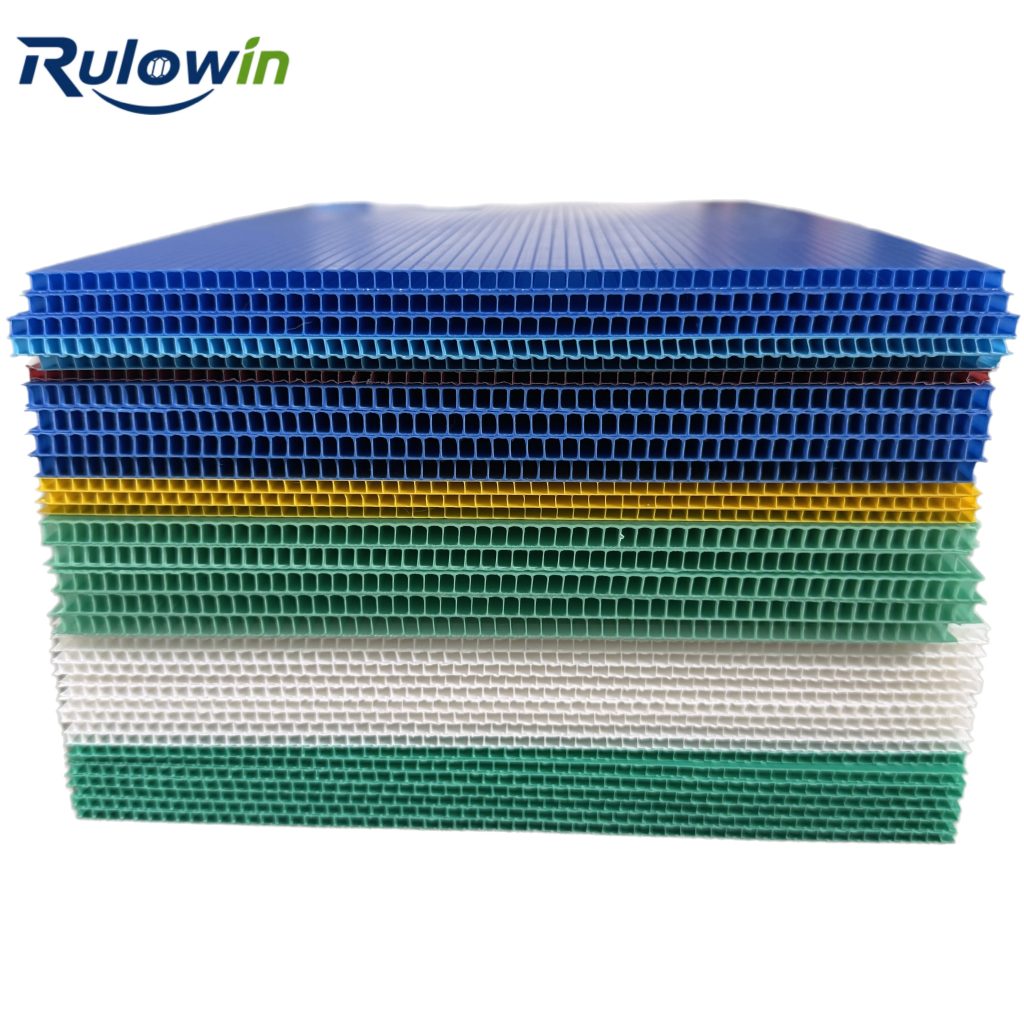
Corrugated sheet consumption is straightforward to estimate and almost always underestimated, because the wastage term is guessed rather than measured. Three terms, and the third is the interesting one.
Term one: sheets per unit
Sheets per pallet, per container, per job – whatever your unit is. For layer pads it is the number of courses; for floor lining it is floor area divided by sheet area plus cutting allowance. Work it out for one real case rather than a theoretical one, because the cutting allowance is where the estimate drifts.
Term two: units per month
Pallets shipped, containers loaded, jobs run. Use the actual figure from last year if you have it, including seasonality. A flat monthly average hides a peak that will run you out of sheet in the busiest month.
Term three: wastage, which is the real one
Sheet gets damaged in storage, cut wrong, used for something else, and left on a pallet that goes out with it. In most operations the wastage allowance is well above what gets budgeted, and it shows up as an emergency reorder at a bad price.
Measure it once: sheets issued against sheets actually used on a job. The gap is your wastage rate and it makes the next estimate accurate.
Why the answer changes your order size
Sheet is bulky and light, so freight per sheet is high on a long lane and there are step changes in price at container quantity. Ordering three months at once is frequently cheaper than three single-month orders even after storage cost.
Ask your supplier where those step changes are. Knowing them changes what quantity is worth ordering, and it is information most buyers never ask for.
And the grade question
Consumption estimates usually assume one grade. In practice most operations need two – a heavier grade where the sheet carries load and a lighter one where it only separates. Splitting the specification usually reduces total spend even though the heavy grade costs more per sheet.
We went into when the cheapest sheet is genuinely the right buy in is the cheapest corrugated sheet actually cheaper.
What to do when consumption spikes
Every operation has a month where consumption doubles – a new contract, a seasonal peak, a one-off project. Ordering for the spike means holding stock for the rest of the year; ordering for the average means running out.
The pragmatic answer is to hold a buffer sized for the peak and reorder on a trigger rather than a calendar. When stock drops below two weeks of peak consumption, order. That is simpler than forecasting and it survives a spike without a large standing stock.
Also worth knowing: sheet does not degrade in storage. A buffer held for a year is still usable, which makes over-ordering much lower risk than it is for most consumables.
One more term: sheet that leaves with the load
Some sheet applications are consumable by design – a liner that ships with the pallet and comes back as waste, or a top sheet that is discarded at the receiving end. That sheet is not wastage and should not be counted as such, but it does need counting.
Work out what proportion of your sheet leaves the building and treat it as a separate line. Mixing it into the wastage figure makes both numbers wrong.
What we can do
We supply PP corrugated sheet cut to size, which removes most of the cutting wastage term entirely. Tell us your monthly units and what the sheet does, and we will estimate consumption with you – including whether a two-grade specification would cost less overall.