
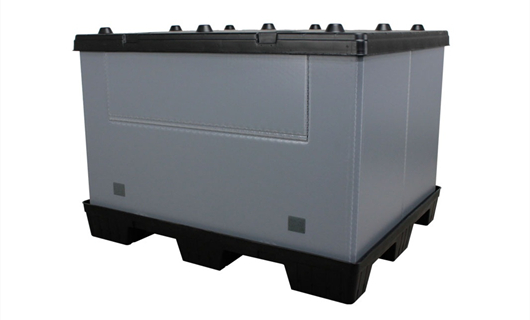
Where demand is seasonal or variable, a container fleet has a problem: the fleet size that is right in the peak is expensive in the trough, and the size that is right in the trough is short in the peak. The resolution is elasticity – a portion of the requirement that can be added and removed – and elasticity comes from arrangements rather than from containers.
The base and the variable part
Split the fleet into a base that is owned and sized for the trough, and a variable part that is hired, borrowed or pooled and sized for the difference. That is the structure used in most seasonal operations, and it works because the base is amortised over the whole year while the variable part is paid for only when it is used.
Hire, and what it costs
A hire rate per container per week, compared against the purchase cost divided by the number of weeks a year the container is actually needed. Where a container is needed for eight weeks a year, hire is far cheaper than purchase. Where it is needed for forty, purchase is. The crossover is usually around a third of the year.
Pooling, and where it works
A shared pool works where several companies have complementary seasonal patterns – their peaks do not coincide. It requires standard containers, a pool operator, and a willingness to accept containers that are not new. Where the pattern fits, pooling is cheaper than hire and much cheaper than ownership, and it is worth asking whether a pool exists for the container type.
Standardisation is what makes elasticity possible
A hired or pooled container has to be interchangeable with the owned ones – same footprint, same stacking, same behaviour on the equipment. Where a fleet is non-standard, elasticity is not available at any price, because the variable containers will not work in the process. Standardising the specification is therefore a precondition for any elastic arrangement. The argument for a shared footprint is in what standardising containers saves.
Making the peak smaller instead
Sometimes the peak can be levelled by changing when containers are dispatched – building stock ahead of the peak, or extending the despatch window. That reduces the peak fleet requirement directly, and it is often cheaper than any arrangement that adds containers. Where a peak is caused by the calendar rather than by real demand, levelling is the answer.
What elasticity costs in quality
Hired containers are not yours, and their condition varies. Where a process is sensitive – automated handling, tight tolerances – hired containers may not be consistent enough to run. That is a real constraint on elasticity and it is worth testing with a small batch before depending on it.
Planning the variable part
How much, when it is needed, how long the lead time is, and what happens if it is not available. The third is the one that bites: a hire arrangement that needs six weeks’ notice is not useful for a peak that appears in four. Where elasticity is planned, the lead time is as important as the cost.
What to measure
Peak requirement against base fleet size, the cost of the variable part against the cost of owning the equivalent, and the utilisation of the owned fleet across the year. Three numbers, and they say whether the current split is right or whether the base should be larger or smaller.