
Floor protection adds thickness. On a flat floor that is harmless. On a stair it changes two regulated dimensions at once, and the result is the kind of near-miss that gets reported rather than the kind of damage that gets photographed.
What going actually means
The going is the horizontal distance from the front of one tread to the front of the next; the rise is the vertical step between them. Both are set when the stair is built and both have tolerances – a stair is normally built so that variation between treads is small, and occupants learn the rhythm of that specific flight within a few steps. Add 4 mm to one tread and not its neighbour and the rhythm breaks.
Why a few millimetres matters more than it sounds
It is not the absolute height, it is the inconsistency. A uniform 4 mm across the whole flight is usually fine – people adapt within a step or two. Four millimetres on three treads out of thirteen is a genuine trip cause, because the foot is prepared for one depth and meets another. The failure is almost always uneven coverage: a sheet that laps at the back of a tread, a cover that compresses where it is walked on and not where it is not.
Consistent thickness beats thin
A slightly thicker cover that is identical on every tread is safer than a thinner one that varies. That argues for rigid, cut-to-size covers rather than flexible sheet laid over the flight: sheet follows the tread profile, which means it is thicker in the hollow of a worn tread and thinner at the nosing. Grip is the other half of the requirement and it is covered in anti-slip protection for temporary steps and stairs. On a worn stair, sheet will produce exactly the variation that causes the problem.
Put the thickness on the riser instead
Where the tread surface genuinely cannot take any added height, the cover goes on the riser face and the nosing only, leaving the walking surface at its original level. It protects the two parts that get hit – the nosing and the riser – without changing either dimension. It is the standard answer on heritage stairs and on any flight where the going is already at the minimum.
Check after the first week
Walk the flight and look for any cover that has compressed, curled or shifted. Measure the going at the top, middle and bottom with a tape. It takes five minutes and it is the only way to know whether the protection has changed the stair. Do it before the client does it with a snagging list in hand.
Measuring before ordering
Tape the going at three points on the flight and the rise at two, and note whether they are consistent – on an existing stair they often are not, and the variation is already there before any cover goes down. Give those numbers to whoever is making the cover. A stair that already varies by 3 mm between treads cannot be improved by a cover, and it may be worth flagging as a defect in its own right.
What we can do
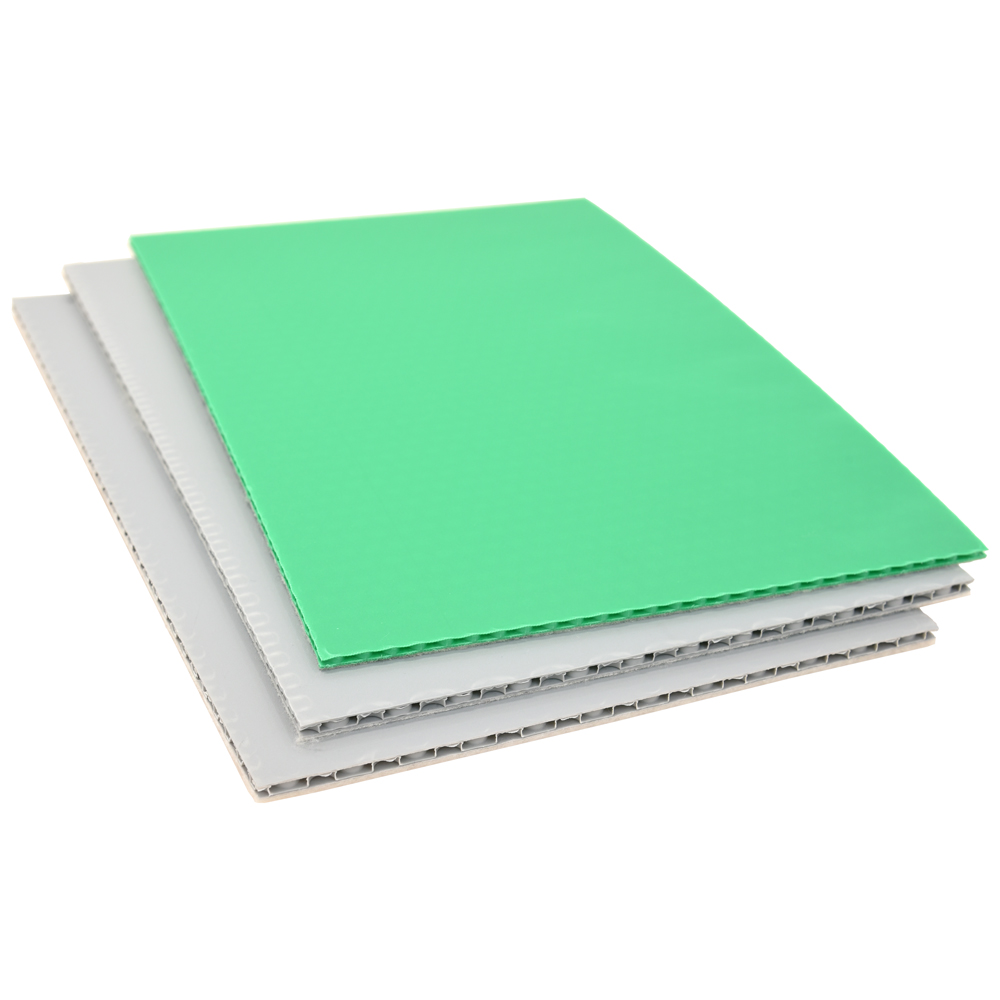
We supply PP honeycomb tread covers cut to a consistent thickness, and a riser-and-nosing detail where the walking surface has to stay at its original level. Tell us the going, the rise and what the treads are finished with, and we will tell you which of the two applies. The general argument is set out in why stairs need different protection from flat floors.