
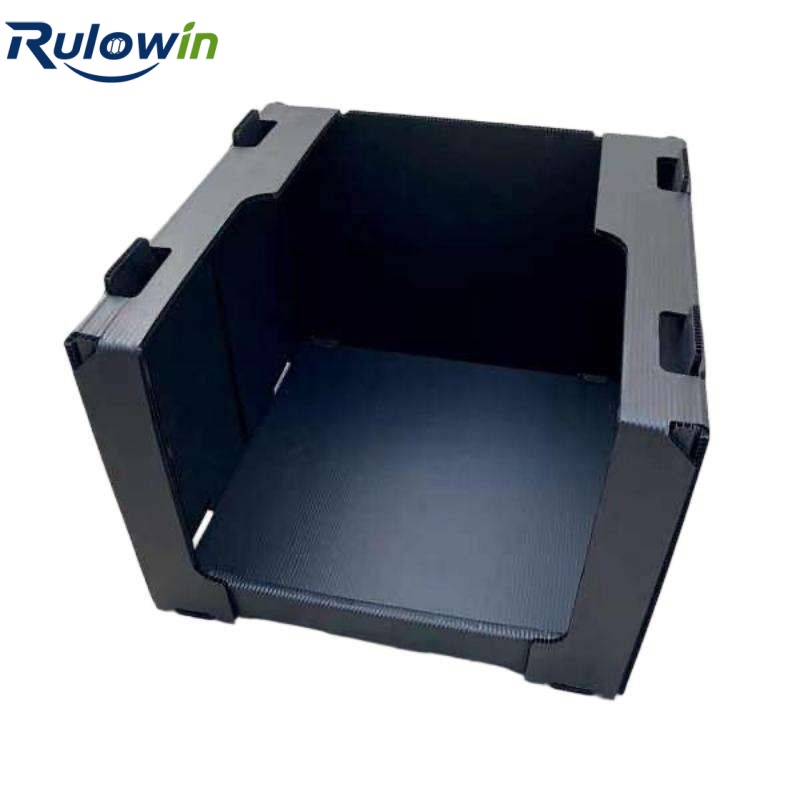
The appeal of removing the pallet is easy to see and the arithmetic is easy to get wrong. The saving is not the pallet’s purchase price. It is the height and the weight, and both of those are only worth something on routes where height and weight are what you are being charged for.
Where height is the constraint
If a load fills the vehicle before it reaches the weight limit, then every millimetre of pallet is a millimetre of product not shipped. This is the classic high-cube, low-density case: plastics, insulation, empty assemblies, packaging itself. Here the gain is direct and can be calculated exactly.
Where weight is the constraint
If a load reaches the weight limit with space to spare, then the pallet’s weight matters but its height does not. Removing 20 kg of pallet from a 24 tonne load is a rounding error. The gain here is small and rarely justifies changing the handling equipment.
Air freight is a special case
Volumetric weight means packaging volume is billed as if it were mass, at a ratio that makes empty air expensive. On air freight, removing the pallet and tightening the load can change the billable figure more than any other single change. It is also where reusable packaging is hardest to run, because returns are usually by sea.
Routes with a reliable return
A pallet-free programme works best where the same vehicle or the same partner runs the lane in both directions. The empties then travel on a truck that was going back anyway, which makes the return leg close to free. Where the return depends on finding a carrier each time, the economics fall apart quickly.
Where it does not pay
Short domestic routes with pooled pallets. Routes with unknown or changing transfer points. Low-frequency lanes where the fleet sits idle between shipments. And any lane where the part is cheap enough that damage is cheaper than prevention. In all of these, keep the pallet.
How to test it cheaply
Pick the highest-frequency lane, buy enough boxes to run it for a month, and keep the existing palletised method running in parallel for the first few shipments. Compare freight, damage, handling time and consumable spend. Four numbers collected over a month settle the question better than any amount of discussion.
What to check before deciding
Whether the handling equipment exists at every point on the route, not just at the two ends. A pallet-free load that meets one transfer point without a push-pull or clamp attachment stops being a saving at that moment.
Then weigh the pallet’s purchase cost per trip against its weight and height, and against the compliance overhead on an export lane. Three columns, one decision, and the answer is different for a weekly lane and a quarterly one.
How the modes compare
Air freight uses a volumetric ratio that makes empty space expensive, so pallet height matters enormously. Road freight sits in between and depends on the trailer. Sea freight is usually billed per container, which shifts the whole problem to the internal packing pattern. The same box can be right for one and wrong for another.
What to do first
Run one lane for a month with the existing method unchanged alongside, and compare four numbers: freight per part, damage per part, handling time and consumables. Where the difference is clear, the decision is made. Where it is not, the lane was the wrong choice for a trial.
What we can do
We build PP corrugated turnover boxes and we will tell you when the pallet is the better answer. Send us the lane frequency and the part and we will work out whether pallet-free pays for you. The handling requirement that comes with it is in what pallet-free handling asks of a truck. See also the companion piece, the mechanics are set out there.