
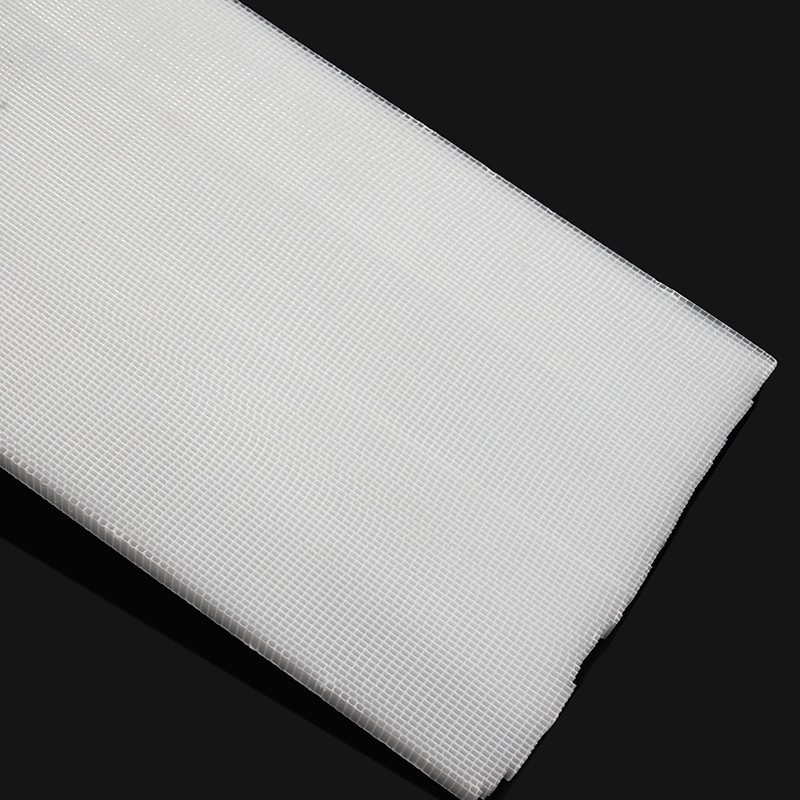
Industrial dust collection is a harsher duty than building ventilation by a wide margin: loading is higher, particles are often abrasive, and the air may carry moisture or oil. A pre-filter in that position has to be specified for the duty rather than for the airflow alone.
What makes it different from HVAC
Loading rate, first. A woodworking or metalworking collector sees more coarse material in a week than an office air handler sees in a year. Anything specified on a HVAC interval assumption will be washed far more often than planned.
Abrasiveness, second. Mineral and metal dust wears surfaces it moves across at velocity, and a screen in a high-velocity section will wear. Lower face velocity through a larger face area helps here as much as it helps with pressure.
And moisture or oil, third. Where the process generates an oil mist – some metalworking does – a washable screen is the wrong answer and a sacrificial disposable stage is the right one. This is the case worth checking before anything else.
Sizing and placing
Give the pre-filter as much face area as the plant offers. At high loading, face area is what keeps the interval reasonable and it is usually available in an inlet chamber or a drop-out box.
Use the drop-out effect where there is one. A chamber with a change in direction drops the heaviest material out of suspension before it reaches any filter at all, and that is free capacity. A pre-filter placed after such a chamber lasts considerably longer than one placed before it.
Making it serviceable
An access door on the chamber, sized to get the panel out. A spare panel so the opening is never left uncovered. And a pressure gauge or a simple marker so the interval is set by loading rather than by someone remembering.
Where none of that exists, the honest conclusion may be that a pre-filter is not practical in this plant yet, and that the access is the project rather than the panel.
For the cartridge-protection case specifically, see protecting cartridge filters with a pre-filter.
Abrasion and gauge selection
Abrasive dust – mineral, glass, metal swarf – wears surfaces it moves across at velocity. A light-gauge screen in a high-velocity section will wear through, and it wears faster than the loading would suggest. The mitigation is lower face velocity through more area, and a heavier gauge where velocity cannot be reduced.
It is worth inspecting for wear rather than just for loading. A screen can look clean and be thinning, and the failure is a hole rather than a blockage.
Combustible dust
Where the dust is combustible – wood, grain, some metals, some plastics – filtration sits inside a larger safety question that this article is not the place to settle. Material selection, earthing, and the collector’s own protection all matter, and the requirements are jurisdiction-specific.
The point worth making here is narrow: do not change filtration in a combustible dust system without involving whoever owns the safety case for that plant. It is a bigger question than media selection.
What we can do
We supply reusable honeycomb pre-filter panels for industrial dust collection, in gauges chosen for abrasive duty. Tell us what the process generates, the airflow and where the panel can be reached from, and we will tell you what to expect – including when a disposable stage is the better answer.