
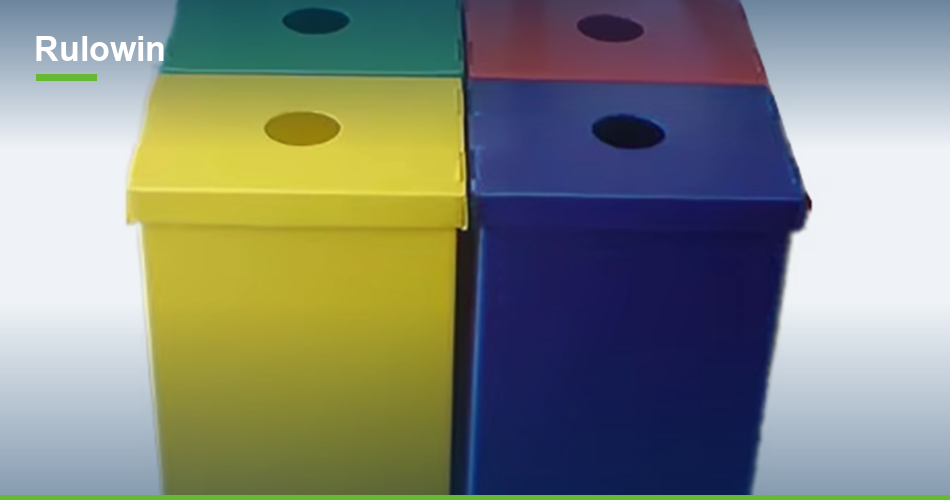
Produce packaging has to work at four points: in the field, in the cold chain, in the distribution centre, and on the shop floor. The last one has requirements that are set by the retailer and are often discovered late, after the packaging has been chosen.
What retailers care about
- Shelf footprint. Whether the pack fits the display fixture, and how many facings it gives. A pack that is slightly too wide for a standard fixture will not be used.
- Height and visibility of product. Shoppers buy what they can see. A deep crate with high walls hides the product and reduces sales – which is a commercial argument, not an aesthetic one.
- Presentation. Whether the pack can be displayed directly, or whether staff have to decant into a display tray. Direct display saves labour and is increasingly a requirement.
- Branding. Where the retailer’s identity goes and whether the packaging carries it. This is often the reason a reusable crate is rejected in favour of a printed carton.
- Cleanliness on the shelf. A scuffed, faded crate looks worse than a fresh carton, and shoppers notice.
- Weight. Shelf-stocking staff handle the packs, and a heavier reusable crate is a consideration.
Where reusable packaging struggles at retail
Two genuinely difficult points. Branding – a reusable crate carries one identity and travels between customers, so a retailer cannot have their own artwork on it unless they own the fleet. And appearance over time – a crate that has made fifty trips looks like it, and some retailers will not accept that on the shop floor even when the crate is structurally sound.
Neither of these is fatal, but both need to be answered before a reusable programme is designed rather than after.
Options that work
- A display-ready reusable crate designed for the fixture, with the right footprint and a low front wall for visibility.
- A liner or a printed collar that carries branding and can be replaced each trip, separating the retailer’s identity from the durable asset.
- Aged crate protocols – crates that look too worn for display are diverted to back-of-store or transport use, where appearance does not matter.
- Segregated fleets where a retailer’s crates stay with that retailer, allowing their branding permanently.
The questions to ask early
Does the retailer require direct display? Is there a fixture dimension? Who owns the branding on the pack? Is there an appearance standard for reusable packaging, written or implied? Will the receiving store accept a crate that has visible wear?
Four of these five are answerable in a short conversation with the customer, and getting them answered before the packaging is specified avoids a redesign. Getting them answered after is the most common reason a reusable programme stalls at the last stage.
Where reusable simply does not fit
Where a retailer insists on printed single-use packaging for brand or hygiene reasons, that is a decision rather than a problem to be solved. It is worth knowing that early, because the rest of the supply chain may still be a good candidate for reusable packaging even when the final display pack is not.
What we can do
We supply produce boxes in display-ready formats and can supply liner and collar options where branding has to be per-customer. Tell us the fixture and the presentation requirement and we will tell you whether a reusable pack can meet it – and if your customer’s requirement rules it out, we would rather say so at the start.