
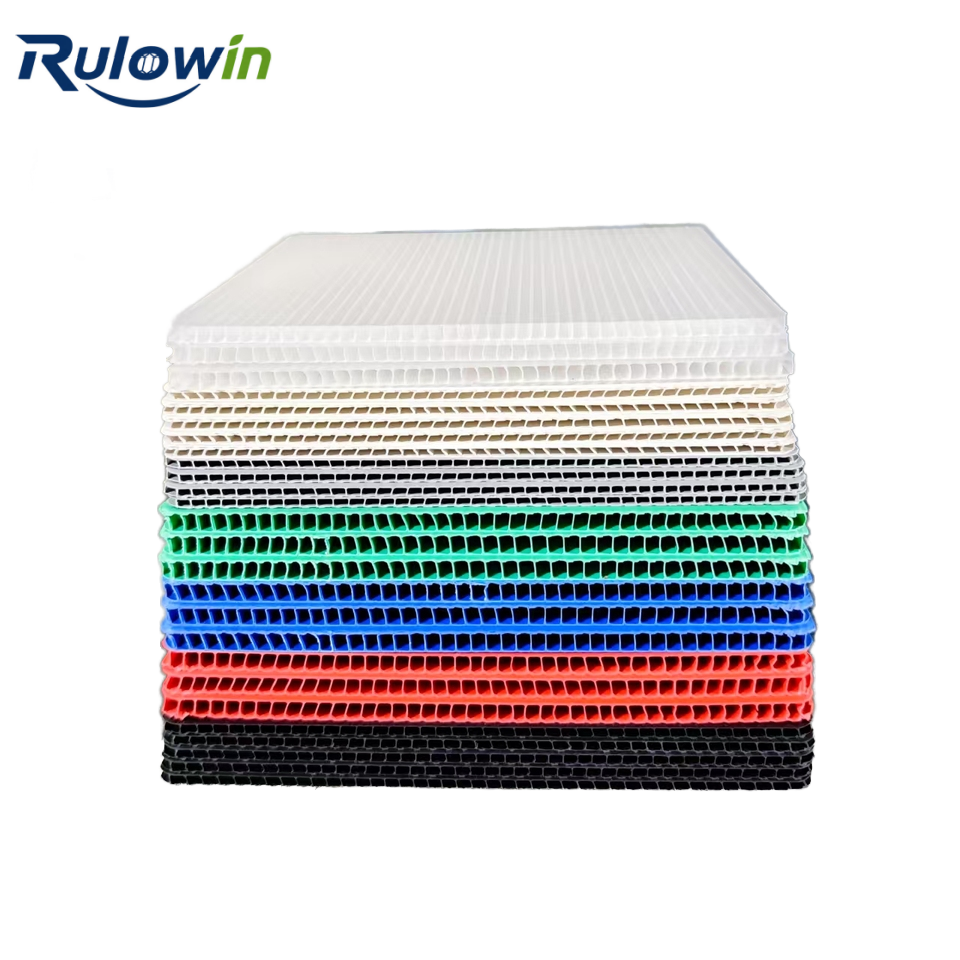
A pallet of corrugated sheet arrives and usually goes straight into stores. Ten minutes with a caliper and a sample sheet catches most of what goes wrong, and it is worth doing on the first delivery from a new supplier and periodically after that.
1. Thickness, measured
Take a caliper to at least six sheets from different points in the stack. A sheet sold as four millimetres that measures 3.6 is meaningfully less stiff, because bending stiffness rises quickly with thickness – and it will sag where the correct sheet does not.
Also check consistency within the stack. Variation between sheets is a sign of process instability, and it means the sheets will not behave consistently in whatever you are making.
2. Look at the flutes
Cut a sample and look at the cross-section. The webs should be straight and vertical, not leaning or collapsed. Collapsed flutes mean the sheet has been crushed in transit or was poorly formed, and a sheet with collapsed flutes has lost its stiffness in that area permanently.
Check the flute wall thickness too. Thin webs at the same overall thickness is how a sheet hits a price without hitting a specification.
3. Weigh a sheet
Grammage is easy to check at receipt: weigh a sheet of known area. It will not tell you much about performance on its own, but a big deviation from what was quoted means something in the resin or the structure has changed. Worth knowing. We explained why grammage is a limited number in what GSM means on a corrugated sheet spec sheet.
4. Fold it
Score and fold a sample along a flute. It should fold cleanly to a tight radius without the faces cracking and without the outer face splitting. A sheet that cracks when folded has an embrittlement problem – often recycled content that is too high, or age.
Also worth a look
Edges. If you specified sealed edges, check they are actually sealed and sealed consistently. A partially sealed edge is worse than none, because it looks finished.
Flatness. Stack a few sheets and look down the stack. Sheets that have been stored badly arrive bowed, and a bowed sheet will not lie flat in a pallet layer. This is a storage problem rather than a manufacturing one, and it is worth raising with the supplier either way.
Colour consistency. Matters if the sheet is visible. Colour variation between batches is common and impossible to fix after delivery.
What to do when a delivery is wrong
Say so immediately, with photographs and measurements, and before the sheets are used. Once a pallet has been broken down and half of it consumed, a claim becomes a negotiation. Within a day of delivery it is usually a straightforward replacement.
Keep one sample sheet from each delivery, labelled with the date and the order. Over a year that gives you a record of consistency, which is the thing worth knowing about a supplier and impossible to establish any other way.
What we can do
We supply PP corrugated sheet and quote thickness, grammage and resin up front so there is something to check against. Tell us the application and we will specify it – and if you want to know when the cheapest sheet really is the right buy, we covered that too.