
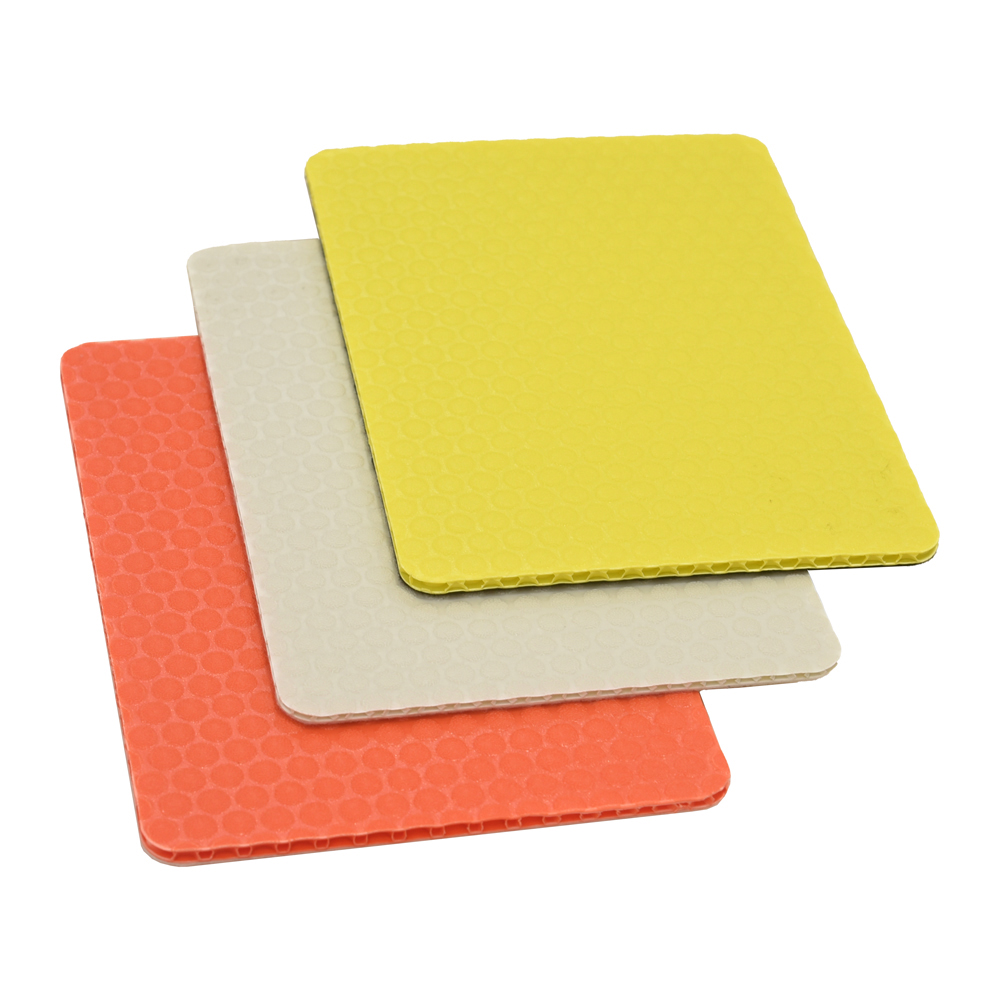
Temporary accommodation floors are usually cheap laminate or vinyl over board, laid on something fairly flexible, and subjected to a constant stream of boots, chairs, deliveries and wet weather. Nobody has a repair budget for them, so whether they survive to the end of the programme is largely down to how the traffic routes were managed.
Why these floors fail so quickly
The substrate under temporary accommodation is often the weak point – a flexible deck over joists means any heavy point load concentrates at the board joint. Add grit tracked in daily and chairs rolling over it, and laminate surfaces are destroyed within weeks. Protection works here mainly by spreading load across joint lines.
Prioritise the routes, not the whole floor
Protecting every square metre of accommodation with panels costs more than protecting the two metres of corridor everyone walks down. Route protection – entrance matting to trap grit, runners along main walkways, and chair mats under desks where chairs roll – deals with nearly all the wear at a fraction of the area cost.
Grit management at the door
Most destruction is grit, and grit arrives on boots. Entrance matting that actually traps rather than just decorates, cleaned regularly, does more for floor life than anything applied to the floor itself. It is also the cheapest intervention on this list.
Wet weather and standing water
In bad weather accommodation takes more water per person than any permanent building. Where protection is impermeable and water sits on top, it eventually finds the joints. Look for somewhere to shed rather than contain, and accept that during winter the sacrificial layer gets replaced rather than cleaned.
End-of-project condition
Whether the accommodation is owned or hired changes everything. Hired units come with an expected return condition and deductions for internal damage; owned units get refurbished at someone else’s cost. Check what the hire agreement says about floor condition before deciding how much protection to buy – it often converts directly into retained deposit.
Fitting around furniture
Accommodation is furnished, and protection fitted around fixed desks and partitions generates a lot of cutting and offcuts. Standard strip sizes laid along clear routes install in minutes and lift cleanly; bespoke fitted shapes do neither.
Reading the hire agreement
Before deciding how much protection to buy, read what the accommodation hire agreement says about internal condition and how deductions are calculated. Some agreements charge repair at cost plus administration; others cap it. Knowing which tells you what an extra hundred units of protection is protecting against.
Photograph the interior on delivery and again on collection. Any dispute about pre-existing damage resolves instantly either way, and no accommodation supplier is impressed by a claim made without images taken at handover.
Where protection is wasted here
Accommodation furniture rarely moves, so protecting completely under desks and fixed seating is almost always wasted material. Protect the routes and the areas immediately inside doorways, where nearly all of the wear happens, and spend the saving on entrance matting, which prevents rather than absorbs.
What to do about chairs
Office chairs on castors destroy accommodation floors faster than boots do. A chair mat per desk position costs very little, and dealing with that single cause removes most of the wear in the areas where people actually sit. The same route-first approach on construction floors is in floor protection on construction sites.
What we can do
We cut protection panels and runners to standard accommodation widths, which installs without cutting in most layouts. Tell us whether the units are hired and we will tell you what level of protection pays against the deposit at risk.